

Search by Blog
Read by Category

Your healing journey continues beyond this blog

Find the right products for better recovery at online store
Cart Image
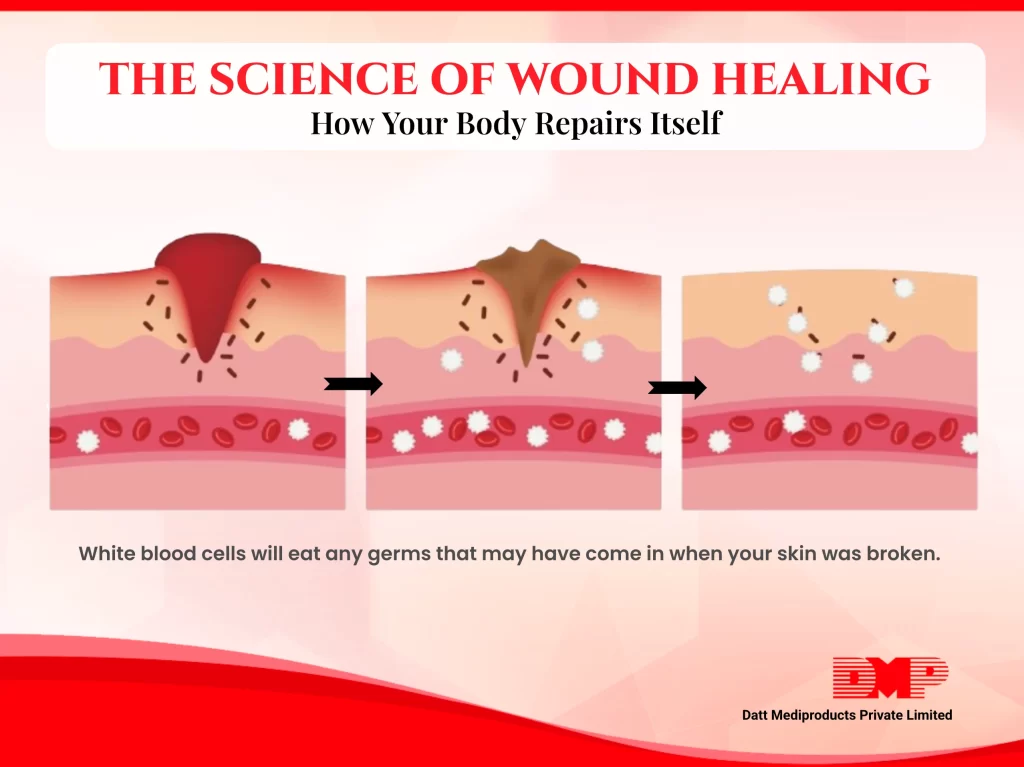
How Your Body Repairs Itself

The Science of Wound Healing: How Your Body Repairs Itself

Wound healing is nothing short of a biological marvel. When your skin is injured, your body launches a meticulously coordinated process to restore its integrity and functionality.

Understanding this journey not only highlights the sophistication of our biology but also empowers us to care for wounds more effectively.

The Remarkable Phases of Wound Healing

Imagine you’ve just scraped your knee. 
What happens next might seem simple, but beneath the surface, your body is hard at work.
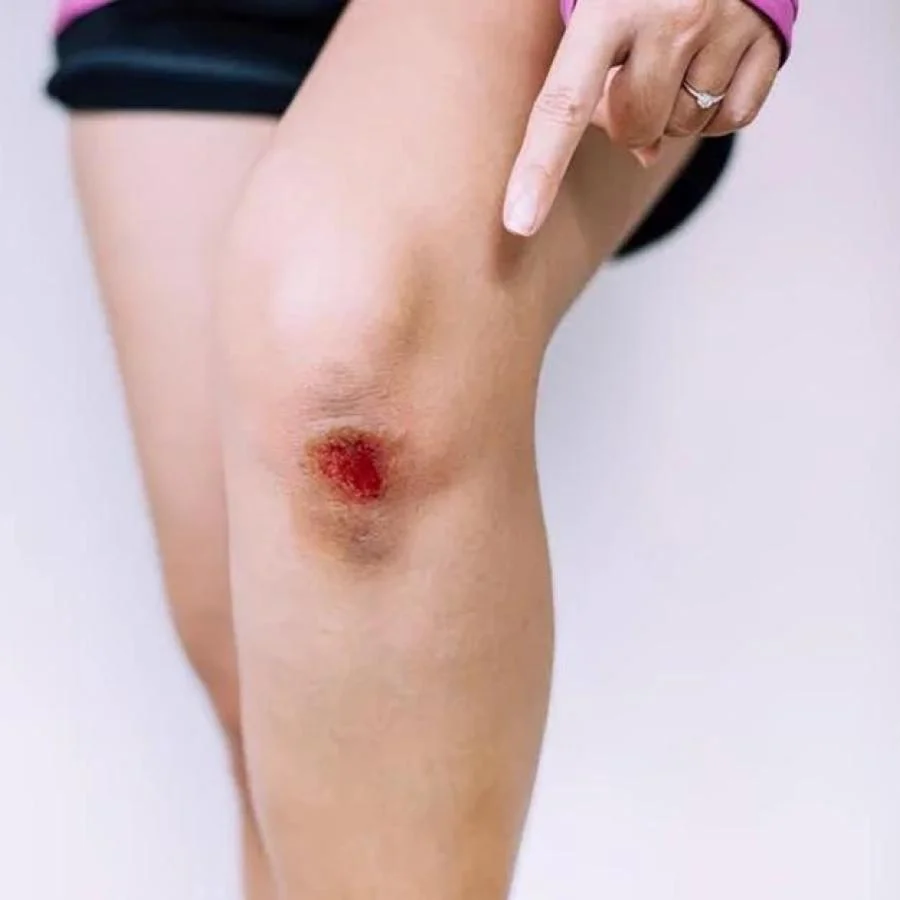
wound healing

Wound healing unfolds in four incredible stages:

1. Hemostasis (Minutes to Hours)

The moment an injury occurs, your body springs into action to stop the bleeding. Blood vessels constrict, and platelets rush to the scene to form a clot. This clot acts as a temporary seal, buying your body time to prepare for deeper repairs.

2. Inflammation (1–5 Days)

Next, your immune system steps in. Neutrophils and macrophages arrive to clear away debris and bacteria, ensuring the wound is clean and ready for rebuilding. The redness, swelling, and warmth you notice are signs of this vital repair work.

3. Proliferation (4–24 Days)

Now the real construction begins. Fibroblasts produce collagen to lay the foundation of new tissue, while blood vessels grow to supply nutrients and oxygen. You’ll see granulation tissue—pink and bumpy—as the wound starts to fill in, and new skin cells begin to migrate across the surface.

4. Maturation (21 Days to Months)

In the final phase, your body strengthens and remodels the new tissue. Collagen fibers are cross-linked for durability, and scar tissue forms. While scars may not have the same elasticity as uninjured skin, they are a testament to your body’s incredible ability to heal.

While the healing process is natural, it doesn’t occur in isolation.

A range of factors can either speed it up or slow it down:

  • Age and Health: Older age, diabetes, and immune disorders can delay healing.
  • Nutrition: Nutrients like protein, zinc, and vitamins C and E are essential for tissue repair.
  • Lifestyle Choices: Smoking and alcohol reduce oxygen supply to tissues, hindering recovery.
  • Wound Care: Proper hygiene and dressing techniques can prevent infection and promote faster healing.

Did you know
Keeping a wound moist can significantly speed up healing?
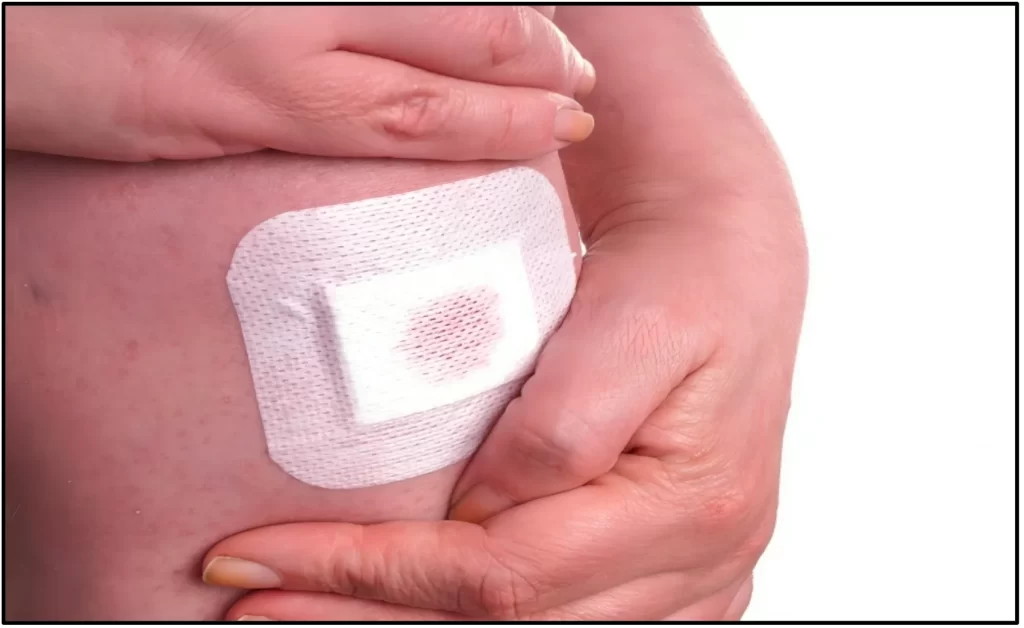
Moist wound

Moisture creates the perfect environment for cells to migrate and for granulation tissue to develop. Modern dressings, designed to maintain this balance, have revolutionized wound care by reducing healing times and minimizing scars.

Cutting-Edge Advances in Wound Care

Science continues to push the boundaries of what’s possible in wound healing. Some groundbreaking innovations include:

  • Growth Factors: These proteins supercharge the repair process, stimulating cell activity.
  • Biomaterials: From hydrogels to bioengineered skin substitutes, these materials mimic natural tissue to accelerate healing.
  • Stem Cell Therapy: Stem cells encourage the regeneration of complex tissues, offering hope for chronic wounds.
  • Hyperbaric Oxygen Therapy: By delivering concentrated oxygen, this therapy enhances cellular activity and reduces infection risk.

Supporting Your Body’s Natural Healing Powers

Healing isn’t just about what happens on a cellular level—your lifestyle choices play a critical role:

  • Eat Right: Protein-rich foods and micronutrients like zinc and vitamin C fuel the repair process.
  • Avoid Harmful Habits: Smoking and excessive alcohol consumption can severely impede healing.
  • Prioritize Rest: Quality sleep and stress management boost your immune system, giving your body the tools it needs to recover.
While most wounds heal naturally, some may require medical intervention. Watch for signs of delayed healing, such as persistent redness, swelling, or unusual odors. Chronic wounds or excessive scarring, like keloids, might benefit from specialized treatments.

The journey of wound healing is a testament to the resilience of the human body. Each phase, from hemostasis to maturation, reflects a symphony of biological processes working in harmony. By caring for your wounds and supporting your body’s natural abilities, you can pave the way for smoother, faster recoveries. And with the advancements in medical science, the future of wound care looks brighter than ever.
Visit www.dattmedi.com for more infomation.
Share:
Recent Blogs
Post-Surgery Wound Care Supporting Recovery

Post-Surgery Wound Care Supporting Recovery 

Post-surgery wound care is a critical component in the journey towards a smooth recovery, minimizing complications, and promoting effective healing. This blog post seeks to offer comprehensive insights for both patients and healthcare providers, emphasizing key aspects of post-surgery wound care.

Understanding the Healing Process:

To navigate the recovery journey successfully, it’s essential to grasp the intricacies of the body’s natural healing process. From the initial inflammatory response to tissue remodeling, patients should be aware of these stages to set realistic expectations for the recovery timeline. 

Preparation Before Surgery: 

A proactive approach to wound care begins before the surgical procedure. Adequate preparation involves thorough consultation with healthcare professionals, understanding the surgery specifics, and adhering to pre-surgery instructions. This groundwork sets the stage for a more seamless recovery. 

Maintaining a Sterile Environment: 

Fundamental to effective wound care is the maintenance of a clean and sterile environment. This includes keeping the surgical site and surrounding areas free from contaminants. Proper wound hygiene significantly reduces the risk of infections, a common concern post-surgery. 

Nutrition and Hydration for Optimal Healing: 

Supporting the body’s healing mechanisms requires a well-balanced diet rich in essential nutrients. Proper nutrition promotes tissue repair and helps prevent complications. Adequate hydration is equally crucial, supporting overall bodily functions and facilitating nutrient transportation to the wound site. 

Monitoring and Recognizing Warning Signs: 

Vigilance is key during the recovery phase. Patients should be educated on monitoring wounds for warning signs like increased redness, swelling, or discharge.

Recognizing these signs early enables prompt intervention, minimizing the risk of serious complications. 

Introducing Our Innovative Solution: 

Elevating the standards of patient recovery involves introducing innovative products like Velfix® -Edge. This exceptional dressing goes beyond traditional solutions with its non-woven bordered design, frame delivery system, and deep notched barrier against infections. The latex-free adhesive ensures compatibility with diverse patients, while the window-framed delivery system simplifies application. Incorporating Velfix® -Edge into post-surgery wound care routines prioritizes precision, patient comfort, and infection prevention, contributing to an enhanced and smoother recovery journey for every patient.

Therefore, post-surgery wound care is a collaborative effort between healthcare providers and patients. Empowering individuals with knowledge about the healing process, preparing adequately before surgery, maintaining a sterile environment, prioritizing nutrition and hydration, and being vigilant for warning signs actively contribute to a successful recovery journey. 

Choosing Velfix® -Edge for optimal post-surgery care is a conscious decision towards improved recovery outcomes, ensuring a holistic and effective approach to the healing process.

Daily Wound Care Routine

Daily Wound Care Routines: Simple Practices for Healing

When it comes to wound care, establishing a daily wound care routine is crucial for ensuring optimal healing and preventing complications. Daily wound inspection is the cornerstone of this routine, as it allows individuals to monitor changes and identify potential signs of infection early on. Gentle cleaning is another fundamental aspect, and using mild soap and water or a saline solution can effectively remove debris without causing further harm. This step not only promotes cleanliness but also prepares the wound for the next crucial element in the routine – dressing selection.

The choice of dressing plays a pivotal role in the healing process:

Understanding the wound type and condition is essential for selecting the appropriate dressing. Different wounds require different approaches, and the right dressing helps maintain a moist environment, creating an ideal setting for the healing to progress.

Regular changing of dressings is equally important:

This practice not only prevents infections but also promotes a conducive environment for the wound to heal efficiently. Alongside changing dressings, ensuring that the wound is adequately protected from external contaminants is vital.

Pain management is a common concern during the healing process:

Strategies for managing pain and ensuring comfort should be part of the daily routine. This can include over-the-counter pain relievers or prescribed medications, tailored to individual needs and the severity of the wound.

Nutrition and hydration play a significant role in supporting the body’s natural healing process:

A well-balanced diet with emphasis on proper nutrition provides the necessary nutrients for tissue repair and regeneration. Additionally, staying hydrated is key to optimal recovery.

Avoiding irritants and risk factors is a proactive measure in the daily wound care routine:

Activities or substances that can irritate the wound should be strictly avoided. Smoking and excessive alcohol consumption can hinder the healing process, making it crucial to steer clear of these risk factors.

Regular follow-ups with healthcare professionals are essential for ongoing evaluation:

Consulting healthcare providers ensures that any signs of complications are addressed promptly, contributing to the overall success of the wound care routine.

A well-rounded daily wound care routine involves daily inspection and cleaning, appropriate dressing selection, regular changing of dressings, pain management, proper nutrition and hydration, avoidance of irritants and risk factors, and consistent consultation with healthcare professionals. By incorporating these practices into daily life, individuals can contribute significantly to the effective healing of wounds.

Stay healthy!

Logo

Datt Mediproducts Private Limited

Loading