Search by Blog
Read by Category

Your healing journey continues beyond this blog

Find the right products for better recovery at online store
Cart Image
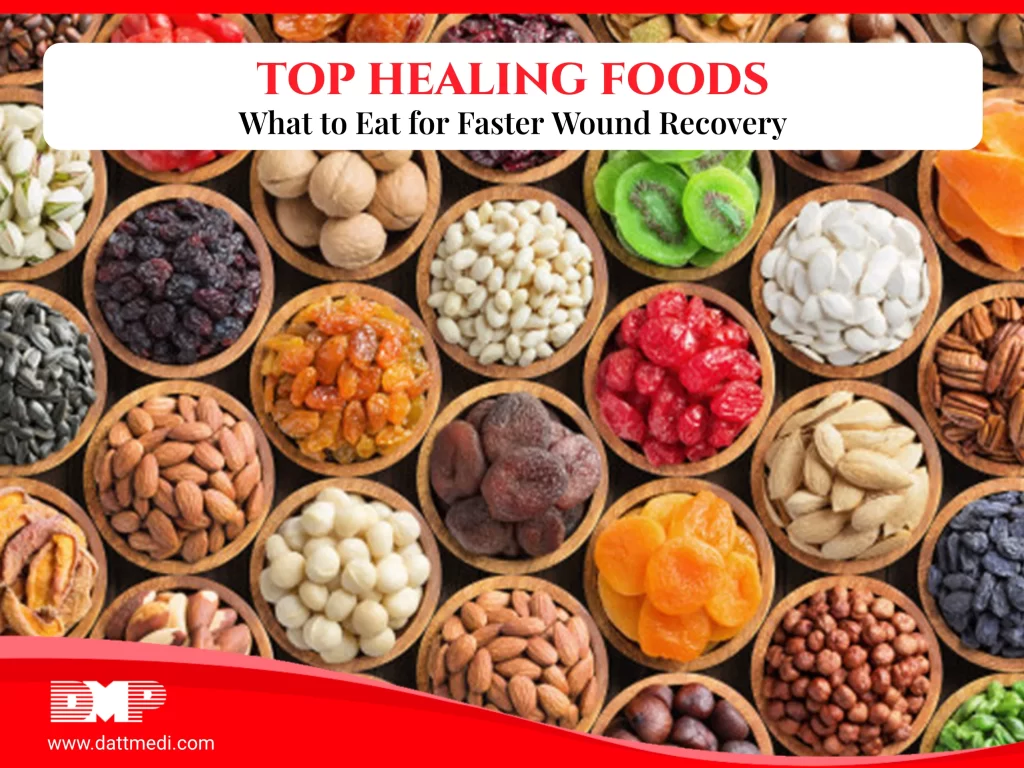
Top Foods for Wound Healing: Boost Your Recovery & Strength

Nutrition plays a central role in wound healing, often as important as medical care itself. When the body sustains an injury, foods for wound healing become essential as its demand for specific nutrients increases.

The right foods can help accelerate tissue repair, reduce inflammation, strengthen the immune system, and enhance overall recovery. This blog explores scientifically backed foods for wound healing that actively support faster and more effective recovery.

Phytonutrient Power for Tissue Repair

What they are:

Phytonutrients are bioactive compounds in plants, such as flavonoids and carotenoids.

Why they matter:

Wound sites often experience oxidative stress due to free radicals, which can delay healing. Phytonutrients neutralize these free radicals, creating a favorable environment for tissue regeneration.

 Food sources:

  • Berries (flavonoids): Blueberries, strawberries, and blackberries reduce oxidative stress.
  • Sweet potatoes & carrots (carotenoids): Support cell growth and boost skin barrier function.

Quick Tip: Including a cup of mixed berries in breakfast or roasted sweet potato as a side dish provides antioxidant protection during recovery.

Collagen-Activating Foods

What they are:

Nutrients that directly stimulate collagen synthesis.

Why they matter:

Collagen forms the structural framework of new tissue and strong scar formation.

Key nutrients & foods:

  • Vitamin C (bell peppers, citrus, kiwi): A co-factor in collagen production.
  • Copper (sunflower seeds, cashews, lentils): Supports the cross-linking of collagen fibers for durability.

Quick Tip: A salad of bell peppers, spinach, and sunflower seeds supplies both vitamin C and copper—maximizing collagen activation.

Gut Health and Healing Connection

What it is:

The gut microbiome plays a central role in nutrient absorption and immune regulation.

Why it matters:

Without a healthy gut, even the best diet cannot deliver full healing benefits. Probiotics strengthen the microbiome, enhance nutrient uptake, and improve immune defenses against infection.

Food sources:

Yogurt, kefir, kimchi, sauerkraut, miso.

Quick Tip: Consuming a serving of probiotic yogurt daily can improve nutrient bioavailability, indirectly accelerating wound recovery.

Anti-Inflammatory Spice Cabinet

What they are:

Natural spices with anti-inflammatory and antimicrobial properties.

Why they matter:

Chronic inflammation around a wound can slow tissue regeneration. Certain spices actively reduce inflammatory responses while fighting harmful microbes.

Food sources:

  • Turmeric (curcumin): Reduces pro-inflammatory cytokines.
  • Ginger: Enhances circulation and reduces swelling.
  • Garlic: Provides antimicrobial support against infections.

Quick Tip: Adding turmeric to curries, ginger to tea, and garlic to meals integrates these benefits naturally into daily cooking.

Zinc Synergy Foods

What it is:

Zinc is essential for cell division and repair, but its efficiency increases when paired with vitamin C.

Why it matters:

Zinc deficiency can delay wound closure. Pairing zinc with vitamin C optimizes collagen production and tissue healing.

Food sources & pairings:

  • Pumpkin seeds + oranges
  • Chickpeas + bell peppers
This nutrient synergy ensures better absorption and function.

Iron-Rich for Oxygen Delivery

What it is:

Iron is critical for hemoglobin formation.

Why it matters:

Adequate hemoglobin ensures oxygen supply to regenerating tissues, which is vital for energy production during healing.

Food sources:

  • Heme iron (easily absorbed): Red meat, chicken, fish.
  • Non-heme iron: Lentils, spinach, fortified cereals.

Quick Tip: Pairing spinach (iron) with tomatoes (vitamin C) improves absorption, ensuring more oxygen reaches healing tissues.

Hydration Beyond Water

What it is:

Cellular hydration requires more than water—electrolytes are equally vital.

Why it matters:

Dehydrated cells cannot repair efficiently. Electrolytes maintain fluid balance, nerve signaling, and nutrient transport.

Food sources:

  • Coconut water: Natural electrolytes.
  • Watermelon & cucumbers: High water content plus minerals.
  • Broths & soups: Provide both fluids and electrolytes.

Quick Tip: Including hydrating foods alongside water intake supports optimal tissue repair.

Building a Healing Plate

Recovery requires more than a single “superfood.” It’s about creating a balanced plate with antioxidant-rich phytonutrients, collagen -activating nutrients, probiotics, anti-inflammatory spices, zinc and iron synergy, and hydration strategies.

Together, these foods give your body the fuel it needs to rebuild stronger tissue, reduce complications, and support a faster recovery.

Take good care—and Happy Holidays! ❄️✨🎄

Visit www.dattmedi.com for more infomation.
Share:

Frequnently Asked Questions

Nutrients like vitamin C, zinc, protein, and iron are essential for tissue repair and collagen formation. Combining a nutrient-rich diet with moisture-balancing dressings such as Velvert® Advanced Dressings supports optimal wound recovery.

Protein provides the building blocks for new tissue formation. Including lean meats, lentils, and eggs in your diet, along with proper wound protection using Velfix® Antimicrobial Dressings, helps accelerate healing and strengthen recovery.

Yes. Anti-inflammatory foods like turmeric, ginger, and berries help reduce swelling and oxidative stress. Pairing these foods with antimicrobial dressings from our Advanced Wound Care Range can further protect the wound from infection and promote faster repair.

Zinc aids in collagen production, immune defense, and skin regeneration. Foods like pumpkin seeds, lentils, and chickpeas boost zinc levels, while products such as Velsoft® Silicone Foam Dressings provide external protection to complement internal healing.

Proper hydration ensures that nutrients and oxygen reach the wound site effectively. Along with fluids and electrolyte-rich foods, maintaining the right wound moisture balance through Hydrogel Dressings helps create an ideal environment for tissue repair.

Recent Blogs

As winter approaches, it brings along cold temperatures and dry air, which can take a toll on our skin. To maintain a healthy and hydrated complexion during the chilly months, it’s important to adjust our skincare routine accordingly. In this blog, we will explore some effective winter skincare tips to help you protect and nourish your skin, ensuring it stays radiant and moisturized throughout the season.

Hydrate from Within:

In cold weather, it’s common for us to reduce our water intake, as we don’t feel as thirsty as we do during hot summer days. However, maintaining proper hydration is essential for healthy skin, regardless of the season.

Drinking an adequate amount of water will help keep your skin hydrated from within, preventing it from becoming dry and dull. Aim to drink at least 8 glasses of water per day, and consider incorporating hydrating beverages like herbal teas or infused water to add variety and flavour.

Moisturize Regularly:

One of the key steps in a winter skincare routine is moisturizing regularly. Cold air and low humidity levels can strip the skin of its natural moisture, leading to dryness and irritation. To combat this, opt for a rich, nourishing moisturizer that contains ingredients like hyaluronic acid, glycerine, or ceramides. Apply it generously to your face and body after cleansing, focusing on areas prone to dryness such as the hands, elbows, and knees. For added protection, consider using a thicker moisturizer at night and a lighter one during the day, along with a sunscreen to shield your skin from harmful UV rays.

Gentle Cleansing:

While it’s important to keep your skin clean, aggressive cleansing can strip away essential oils and disrupt the skin’s natural barrier. During winter, switch to a mild, hydrating cleanser that won’t further dry out your skin. Look for products that are free from harsh chemicals and fragrances, as these can be particularly drying. Additionally, avoid using hot water for cleansing, as it can deplete the skin’s natural moisture. Instead, use lukewarm water and pat your skin dry with a soft towel, leaving some moisture behind to help lock in hydration.

Protect Your Skin:

Cold weather often comes with harsh winds, which can cause windburn and exacerbate skin dryness. Shield your skin from these elements by wearing protective clothing, such as scarves, hats, and gloves, that cover exposed areas. Additionally, don’t forget to apply a broad-spectrum sunscreen with an SPF of 30 or higher, even on cloudy days. UV rays can still penetrate the clouds and cause damage to your skin. Reapply sunscreen every two hours, especially if you engage in outdoor activities.

Humidify Your Environment:

Indoor heating systems can further deplete the moisture levels in the air, leading to dry and irritated skin. To counteract this, invest in a humidifier to add moisture back into the environment. Place it in the rooms where you spend the most time, such as your bedroom or living room. A humidifier will help combat the dryness caused by artificial heating and create a more comfortable and skin-friendly environment. Remember to clean and maintain the humidifier regularly to prevent the growth of bacteria or mould.

Maintaining healthy and hydrated skin during the winter months requires a few adjustments to your skincare routine. By following these tips, including staying hydrated, moisturizing regularly, using gentle cleansers, protecting your skin, and humidifying your environment, you can keep your skin nourished and radiant despite the cold weather. Embrace these practices, and enjoy a winter season with healthy and glowing skin.

As the colder months approach, it becomes essential to prioritize our well-being and make conscious efforts to take care of both our minds and bodies. The winter season brings unique challenges, such as shorter daylight hours, cold temperatures, and holiday stress, which can impact our overall health and wellness. In this blog, we will explore effective strategies to help you maintain a healthy mind and body during the winter season, ensuring a happier and more vibrant you.

(more…)

Logo

Datt Mediproducts Private Limited

Loading