Search by Blog
Read by Category

Your healing journey continues beyond this blog

Find the right products for better recovery at online store
Cart Image
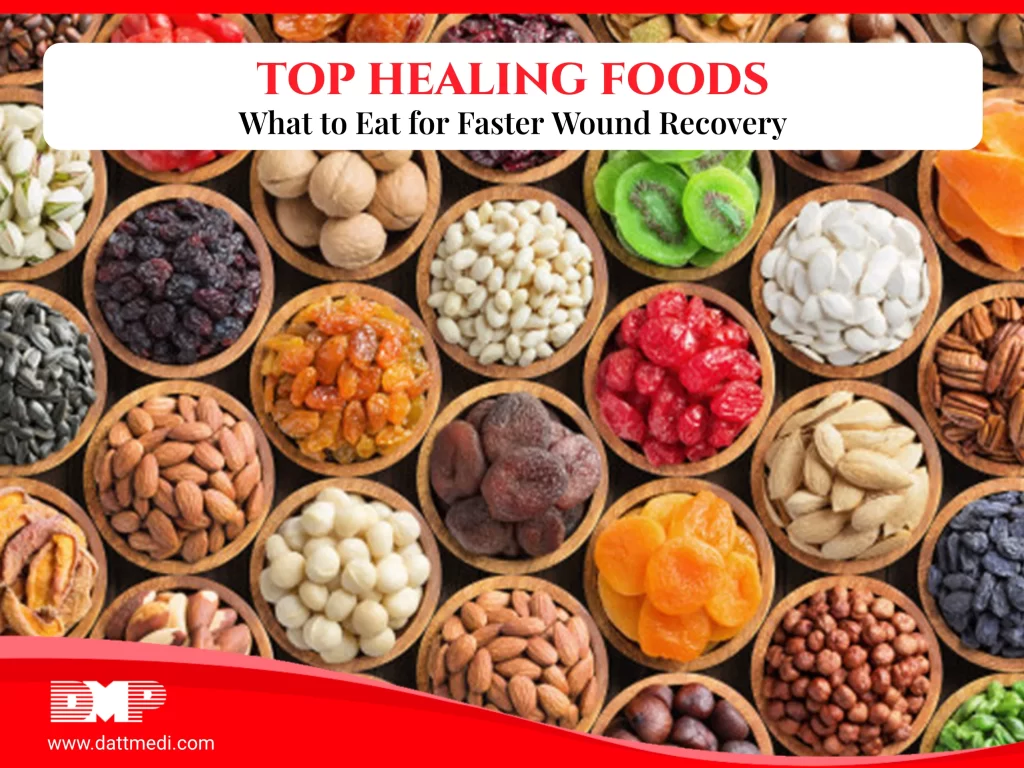
Top Foods for Wound Healing: Boost Your Recovery & Strength

Nutrition plays a central role in wound healing, often as important as medical care itself. When the body sustains an injury, foods for wound healing become essential as its demand for specific nutrients increases.

The right foods can help accelerate tissue repair, reduce inflammation, strengthen the immune system, and enhance overall recovery. This blog explores scientifically backed foods for wound healing that actively support faster and more effective recovery.

Phytonutrient Power for Tissue Repair

What they are:

Phytonutrients are bioactive compounds in plants, such as flavonoids and carotenoids.

Why they matter:

Wound sites often experience oxidative stress due to free radicals, which can delay healing. Phytonutrients neutralize these free radicals, creating a favorable environment for tissue regeneration.

 Food sources:

  • Berries (flavonoids): Blueberries, strawberries, and blackberries reduce oxidative stress.
  • Sweet potatoes & carrots (carotenoids): Support cell growth and boost skin barrier function.

Quick Tip: Including a cup of mixed berries in breakfast or roasted sweet potato as a side dish provides antioxidant protection during recovery.

Collagen-Activating Foods

What they are:

Nutrients that directly stimulate collagen synthesis.

Why they matter:

Collagen forms the structural framework of new tissue and strong scar formation.

Key nutrients & foods:

  • Vitamin C (bell peppers, citrus, kiwi): A co-factor in collagen production.
  • Copper (sunflower seeds, cashews, lentils): Supports the cross-linking of collagen fibers for durability.

Quick Tip: A salad of bell peppers, spinach, and sunflower seeds supplies both vitamin C and copper—maximizing collagen activation.

Gut Health and Healing Connection

What it is:

The gut microbiome plays a central role in nutrient absorption and immune regulation.

Why it matters:

Without a healthy gut, even the best diet cannot deliver full healing benefits. Probiotics strengthen the microbiome, enhance nutrient uptake, and improve immune defenses against infection.

Food sources:

Yogurt, kefir, kimchi, sauerkraut, miso.

Quick Tip: Consuming a serving of probiotic yogurt daily can improve nutrient bioavailability, indirectly accelerating wound recovery.

Anti-Inflammatory Spice Cabinet

What they are:

Natural spices with anti-inflammatory and antimicrobial properties.

Why they matter:

Chronic inflammation around a wound can slow tissue regeneration. Certain spices actively reduce inflammatory responses while fighting harmful microbes.

Food sources:

  • Turmeric (curcumin): Reduces pro-inflammatory cytokines.
  • Ginger: Enhances circulation and reduces swelling.
  • Garlic: Provides antimicrobial support against infections.

Quick Tip: Adding turmeric to curries, ginger to tea, and garlic to meals integrates these benefits naturally into daily cooking.

Zinc Synergy Foods

What it is:

Zinc is essential for cell division and repair, but its efficiency increases when paired with vitamin C.

Why it matters:

Zinc deficiency can delay wound closure. Pairing zinc with vitamin C optimizes collagen production and tissue healing.

Food sources & pairings:

  • Pumpkin seeds + oranges
  • Chickpeas + bell peppers
This nutrient synergy ensures better absorption and function.

Iron-Rich for Oxygen Delivery

What it is:

Iron is critical for hemoglobin formation.

Why it matters:

Adequate hemoglobin ensures oxygen supply to regenerating tissues, which is vital for energy production during healing.

Food sources:

  • Heme iron (easily absorbed): Red meat, chicken, fish.
  • Non-heme iron: Lentils, spinach, fortified cereals.

Quick Tip: Pairing spinach (iron) with tomatoes (vitamin C) improves absorption, ensuring more oxygen reaches healing tissues.

Hydration Beyond Water

What it is:

Cellular hydration requires more than water—electrolytes are equally vital.

Why it matters:

Dehydrated cells cannot repair efficiently. Electrolytes maintain fluid balance, nerve signaling, and nutrient transport.

Food sources:

  • Coconut water: Natural electrolytes.
  • Watermelon & cucumbers: High water content plus minerals.
  • Broths & soups: Provide both fluids and electrolytes.

Quick Tip: Including hydrating foods alongside water intake supports optimal tissue repair.

Building a Healing Plate

Recovery requires more than a single “superfood.” It’s about creating a balanced plate with antioxidant-rich phytonutrients, collagen -activating nutrients, probiotics, anti-inflammatory spices, zinc and iron synergy, and hydration strategies.

Together, these foods give your body the fuel it needs to rebuild stronger tissue, reduce complications, and support a faster recovery.

Take good care—and Happy Holidays! ❄️✨🎄

Visit www.dattmedi.com for more infomation.
Share:

Frequnently Asked Questions

Nutrients like vitamin C, zinc, protein, and iron are essential for tissue repair and collagen formation. Combining a nutrient-rich diet with moisture-balancing dressings such as Velvert® Advanced Dressings supports optimal wound recovery.

Protein provides the building blocks for new tissue formation. Including lean meats, lentils, and eggs in your diet, along with proper wound protection using Velfix® Antimicrobial Dressings, helps accelerate healing and strengthen recovery.

Yes. Anti-inflammatory foods like turmeric, ginger, and berries help reduce swelling and oxidative stress. Pairing these foods with antimicrobial dressings from our Advanced Wound Care Range can further protect the wound from infection and promote faster repair.

Zinc aids in collagen production, immune defense, and skin regeneration. Foods like pumpkin seeds, lentils, and chickpeas boost zinc levels, while products such as Velsoft® Silicone Foam Dressings provide external protection to complement internal healing.

Proper hydration ensures that nutrients and oxygen reach the wound site effectively. Along with fluids and electrolyte-rich foods, maintaining the right wound moisture balance through Hydrogel Dressings helps create an ideal environment for tissue repair.

Recent Blogs

Fireworks are a traditional part of celebrations worldwide, captivating us with their vibrant colors and mesmerizing displays. However, behind their beauty lies a darker side – fireworks contribute significantly to air and noise pollution, posing potential health risks. In this blog, we will delve into the environmental and health impacts of fireworks and explore sustainable alternatives that can help us celebrate responsibly.

The Environmental Toll of Fireworks

Fireworks emit a plethora of pollutants that harm the environment. The combustion of fireworks releases toxic substances such as sulphur dioxide, heavy metals (lead, copper, and zinc), and fine particulate matter. These pollutants have deleterious effects on air quality and can contribute to respiratory issues, cardiovascular problems, and even cancer.

Moreover, the colourful explosions generate a considerable amount of waste, including plastic debris and chemical residues that contaminate water bodies. Understanding the environmental toll of fireworks emphasizes the urgency of adopting eco-friendly alternatives.

Health Impacts of Fireworks Pollution:

Fireworks pollution affects both the physical and mental well-being of individuals. The fine particulate matter released during fireworks displays can penetrate deep into the lungs, triggering respiratory conditions such as asthma and chronic obstructive pulmonary disease (COPD). For people with pre-existing respiratory conditions, exposure to fireworks pollution can exacerbate symptoms and lead to hospitalizations. Additionally, the loud noise produced by fireworks can cause hearing damage, especially in children and individuals with sensory sensitivities.

Furthermore, the chemical compounds found in fireworks, such as perchlorates, can contaminate water sources and affect aquatic life, posing a threat to ecosystems. Fireworks pollution has also been linked to adverse effects on wildlife, including birds, insects, and marine organisms.

Sustainable Alternatives for Celebrations:

In light of the harmful effects of fireworks pollution, it is essential to consider sustainable alternatives that allow us to celebrate while minimizing environmental impact.
Here are some eco-friendly options:

Laser Light Shows:

Laser displays can create stunning visual effects without the release of pollutants or noise. They offer a safer alternative for sensitive individuals and reduce the risk of accidental fires.

Biodegradable Confetti:

Replace traditional confetti with biodegradable alternatives made from recycled paper or plant-based materials. These options decompose quickly and do not contribute to pollution.

LED Decorations:

Use LED lights to illuminate events and create a festive atmosphere. LED lights are energy-efficient and have a longer lifespan, reducing both energy consumption and waste.

Nature-Inspired Celebrations:

Organize outdoor events in natural settings, such as parks or gardens, and incorporate nature-inspired themes. Emphasizing the beauty of the natural environment encourages a deeper connection with nature while reducing the need for artificial displays.

Community Activities:

Organize community events focused on art, music, and cultural performances rather than fireworks. These activities foster a sense of togetherness and can be just as enjoyable, if not more, without the negative environmental impact.

As we celebrate special occasions, it is crucial to be mindful of the environmental and health impacts of fireworks pollution. By adopting sustainable alternatives, we can preserve the beauty of our planet, protect our health, and create a more eco-conscious society. Let us embrace responsible celebrations that leave a positive and lasting impact on both our lives and the environment.

Childhood is a critical phase of development that lays the foundation for a healthy and fulfilling life. As parents, caregivers, and members of society, ensuring the health and well-being of our children is a top priority.

The early years of a child’s life are crucial for their development, setting the stage for their future health and happiness. By understanding the various aspects that contribute to a child’s overall well-being, we can create a solid foundation for their growth and help them thrive. In this blog, we will explore various aspects that contribute to building healthy foundations for children, including early childhood development, nutrition, physical activity, preventive healthcare, mental and emotional health, safe environments, and healthy sleep habits.

Understanding Early Childhood Development:

Early childhood development encompasses the physical, cognitive, social, and emotional growth that occurs from birth to around the age of eight. This period is crucial for brain development, language acquisition, and the formation of social skills. It is essential for parents and caregivers to engage children in stimulating activities, such as reading, playing, and problem-solving, to promote optimal development.

The Power of Nutrition:

Nutrition plays a vital role in a child’s growth and development. Providing a well-balanced diet that includes a variety of fruits, vegetables, whole grains, lean proteins, and dairy products is crucial. Adequate nutrition ensures that children receive the essential nutrients their bodies need to support physical growth, cognitive function, and immune system strength. Limiting sugary snacks and beverages can help prevent the development of unhealthy eating habits and reduce the risk of childhood obesity.

Promoting Physical Activity:

Regular physical activity is crucial for children’s overall health and well-being. It helps build strong bones and muscles, improves cardiovascular fitness, enhances coordination and motor skills, and contributes to a healthy weight. Encourage children to engage in age-appropriate activities such as active play, sports, and outdoor adventures. Limit screen time and promote active hobbies to ensure they maintain an active lifestyle.

Preventive Healthcare and Immunizations:

Preventive healthcare and immunizations are critical to safeguarding children’s health. Regular visits to healthcare providers for well-child check-ups allow for early detection and intervention of potential health concerns. Immunizations protect children from vaccine-preventable diseases, reducing their susceptibility to illnesses and safeguarding the health of the entire community. Staying up-to-date with recommended vaccinations ensures that children have a strong defense against infectious diseases.

Nurturing Mental and Emotional Health:

Promoting mental and emotional well-being is equally important for a child’s overall health. Creating a supportive and nurturing environment at home, school, and within the community helps children develop resilience, self-esteem, and positive coping skills. Encouraging open communication, active listening, and providing emotional support can assist children in navigating their emotions and building healthy relationships. Engaging in activities that promote creativity, self-expression, and mindfulness can also enhance their emotional well-being.

Safe Environments and Injury Prevention:

Creating a safe environment is essential for child health and well-being. Childproof your home by securing cabinets, electrical outlets, and sharp objects. Ensure a safe outdoor play area, free from hazards. Teach children about potential dangers, such as fire, water, and strangers, and how to stay safe in different situations. Supervision and education are crucial in preventing injuries.

Healthy Sleep Habits:

Adequate sleep is vital for children’s physical and cognitive development. Establish a consistent sleep routine and ensure children get the recommended amount of sleep based on their age. Create a calm and comfortable sleep environment, free from distractions. Limit screen time before bedtime, as it can interfere with quality sleep. Encourage relaxation techniques, such as reading or listening to soothing music, to promote better sleep.

Building healthy foundations for children requires a holistic approach that encompasses various aspects of their well-being. By understanding early childhood development, promoting proper nutrition, encouraging physical activity, prioritizing preventive healthcare, nurturing mental and emotional health, ensuring safe environments, and establishing healthy sleep habits, we can set children on a path towards a healthy and fulfilling life.

Together, let us prioritize their health, provide them with the support they need, and empower them to grow into happy, healthy individuals who can thrive and make a positive impact on the world. Let us join hands in creating a healthier future for our children.

Logo

Datt Mediproducts Private Limited

Loading