
Search by Blog
Read by Category

Your healing journey continues beyond this blog

Find the right products for better recovery at online store
Cart Image
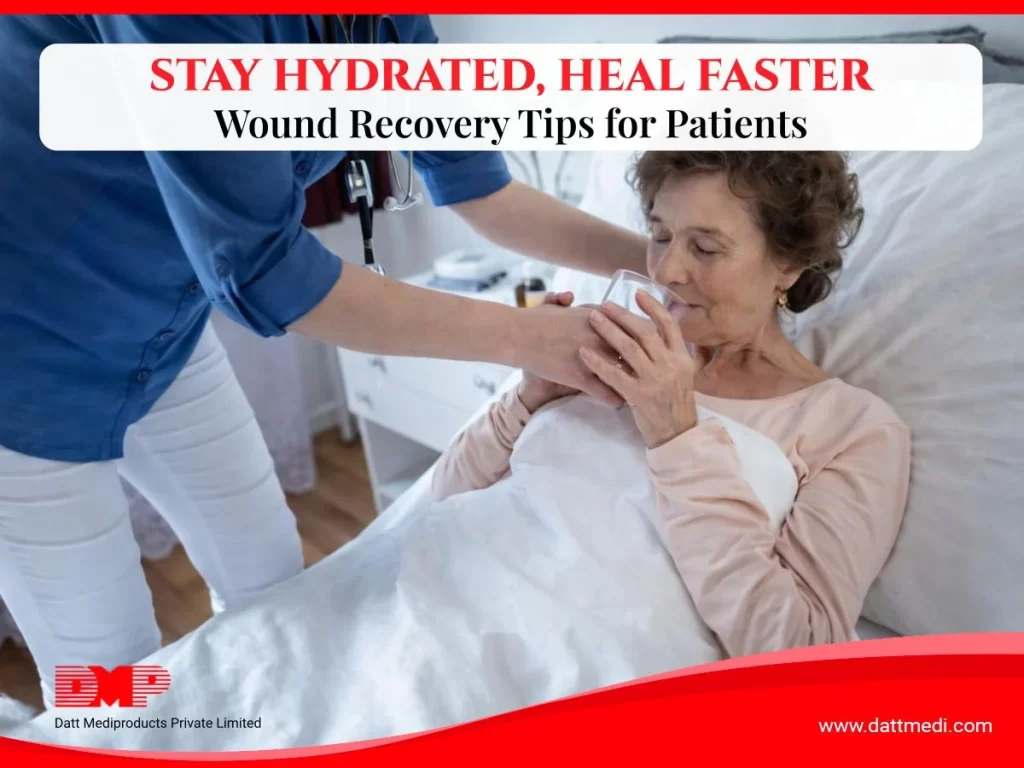
Patient drinking water for better wound healing

Recovery from a wound often focuses on dressings, medications, and rest. However, one simple habit can significantly support healing — staying hydrated.

Water plays a vital role in transporting nutrients, repairing damaged skin, and supporting the immune system. When the body lacks fluids, healing can slow down. Proper hydration helps the body rebuild tissues, maintain healthy skin, and recover more efficiently.

Maintaining adequate fluid levels is widely recognized as an important part of recovery and aligns with wound care guidance referenced by organizations such as the World Health Organization.

Why Hydration Matters for Wound Healing

1. Better Blood Flow to the Wound

Water helps maintain healthy blood circulation throughout the body.

Why it matters:
Good circulation delivers oxygen and nutrients essential for tissue repair while helping remove waste from the wound site.

What this means for you:
Improved blood flow supports faster healing and helps reduce swelling. In some cases, medical treatments such as compression therapy may also help improve circulation during recovery.

2. Supports Growth of New Skin

Water is essential for proper cellular function and tissue repair.

Why it matters:
New skin cells must grow and move across the wound surface to close the wound bed and restore the skin barrier.

What this means for you:
Adequate hydration helps support healthy tissue regeneration and contributes to more efficient wound recovery.

3. Keeps Skin Soft and Protected

Dehydration can make skin dry, fragile, and more prone to cracking.

Why it matters:
Dry skin around a wound may break easily and increase discomfort or infection risk.

What this means for you:
Well-hydrated skin remains flexible and resilient, allowing the surrounding tissue to better support healing.

Hydration Strengthens the Body’s Defense System

The immune system plays a critical role in preventing infection during wound recovery.

Proper hydration helps:

  • Support Infection-Fighting Immune Cells
  • Regulate Inflammation Needed For Healing
  • Transport Nutrients Throughout The Body
  • Maintain Tissue Oxygenation For Repair

When fluid levels are balanced, the body can respond more effectively to injury and recovery.

For infection-sensitive wounds, options like Silver Dressings may provide added protection.

Moisture Helps Wounds Heal Faster

Modern wound care focuses on maintaining a moist healing environment rather than allowing wounds to dry out.

Moisture-retentive wound dressings can help:

  • Prevent Hard Scabs From Forming
  • Support Natural Skin Repair
  • Reduce Discomfort During Healing
  • Minimize Scarring Risk
Maintaining controlled moisture around the wound creates conditions that support smoother and more efficient healing.

Internal Hydration Matters Too

While dressings help maintain external moisture, internal hydration supports healing from within.

Drinking enough fluids helps:

  • Nourish Skin Cells
  • Support Tissue Regeneration
  • Maintain Elasticity Of Surrounding Skin
  • Deliver Nutrients To Healing Tissue
Together, internal hydration and appropriate dressings such as Softswab Gauze and Velpore Adhesive Dressing create ideal healing conditions.

How Dehydration Slows Healing

When the body lacks sufficient fluids:

  • Healing Processes May Slow Down
  • Nutrients Reach The Wound Less Efficiently
  • Skin Becomes Dry And Fragile
  • Infection Risk May Increase
  • Recovery Time May Become Longer

Simple Ways to Stay Hydrated During Recovery

Drink Water Regularly

Most adults benefit from around 8–10 glasses of water per day, unless otherwise advised by a healthcare professional.

Fluid needs may increase during:

  • Hot weather
  • Fever or illness
  • Physical stress after surgery

Eat Water-Rich Foods

Certain foods naturally support hydration and healing, including:

  • Cucumber
  • Watermelon
  • Oranges
  • Leafy Greens
  • Tomatoes

These foods also provide vitamins and antioxidants that support skin repair.

Limit Drinks That Cause Fluid Loss

Some beverages may contribute to dehydration.

Try to limit:

  • Excessive caffeine
  • Sugary drinks
  • Alcohol

Choosing water and nutrient-rich foods supports healthier recovery.

Nutrition and Hydration Work Together

Hydration works best when combined with balanced nutrition.

Important nutrients for wound healing include:

  • Protein – Supports tissue repair
  • Vitamin C – Supports collagen formation
  • Zinc – Supports immune function
  • Iron – Supports oxygen transport

A balanced diet and adequate hydration together promote faster wound recovery.
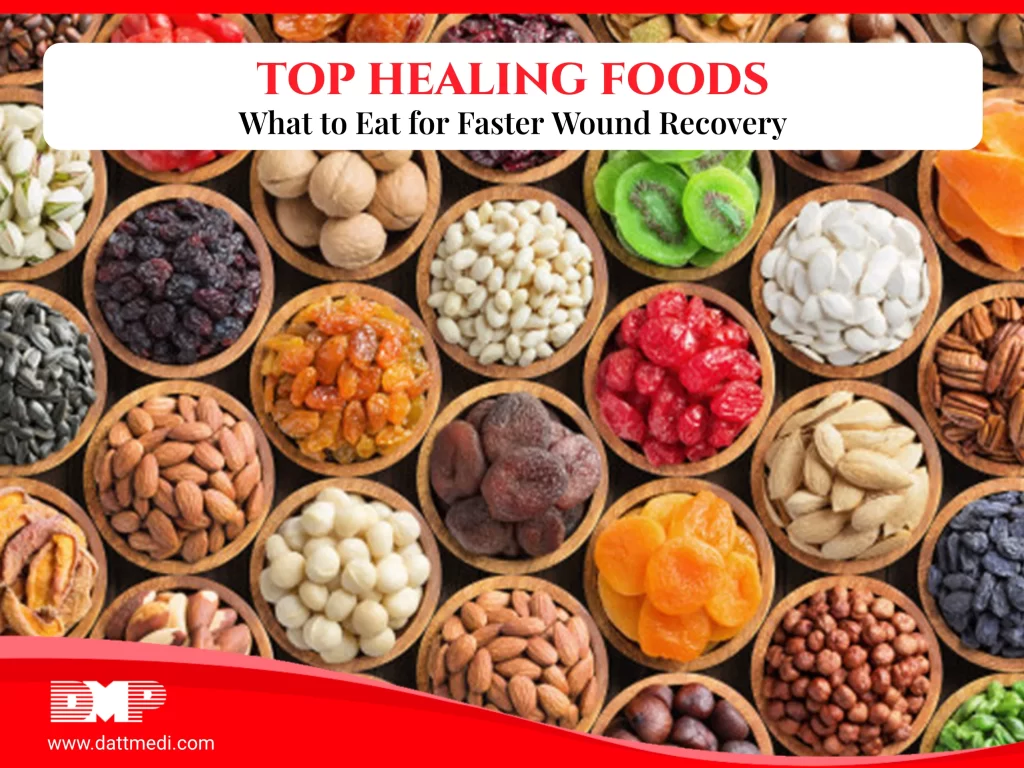
In addition to balanced fluids, choosing top foods that boost wound healing supports tissue repair and overall recovery.

Special Care Considerations

Patients with Medical Conditions

Individuals with conditions such as diabetes, kidney disease, or heart disease may require personalized hydration guidance.

Always follow the advice of healthcare professionals when managing fluid intake during recovery.

Elderly and Bedridden Patients

Older adults may not feel thirsty even when dehydrated.

Caregivers should:

  • offer fluids regularly
  • encourage small, frequent sips
  • monitor fluid intake
  • watch for signs of dehydration
Maintaining hydration is especially important during recovery after surgery or illness.

Combine Hydrating Habits with Good Wound Care

For optimal healing:

  • keep the wound clean as advised
  • use appropriate wound dressings
  • maintain a balanced, nutrient-rich diet
  • avoid smoking and tobacco exposure
  • follow medical advice for advanced wound care

Healthy daily habits can significantly support faster and safer wound recovery.
For a broader perspective on how daily habits influence recovery, explore our article on the impact of lifestyle on wound healing.

Signs Your Body May Need More Fluids

Watch for common signs of dehydration, including:

  • Dry Lips Or Skin
  • Dark Yellow Urine
  • Fatigue Or Dizziness
  • Slow Wound Improvement
  • Increased Skin Tightness Around The Wound

Increasing fluid intake may help support recovery and improve overall health.

Staying hydrated is one of the simplest and most effective ways to support wound healing. Fluids help maintain healthy circulation, deliver essential nutrients to the affected area, and assist the body’s natural repair processes.

When paired with proper wound care and balanced nutrition, good hydration can contribute to more efficient recovery and help lower the risk of complications.
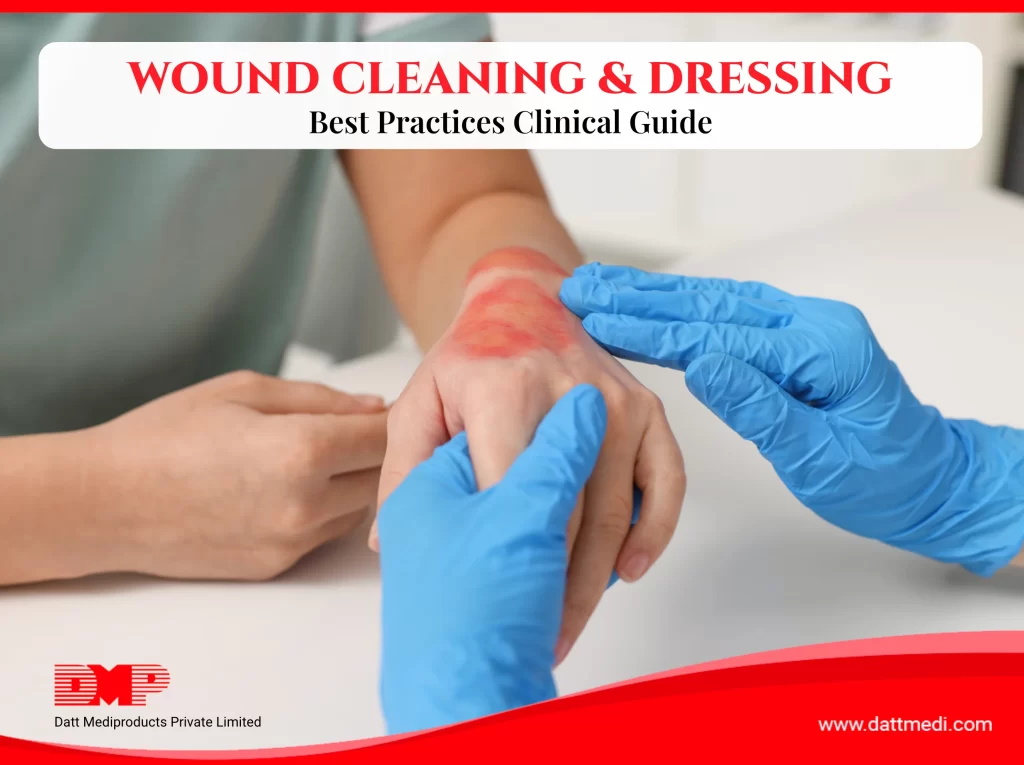
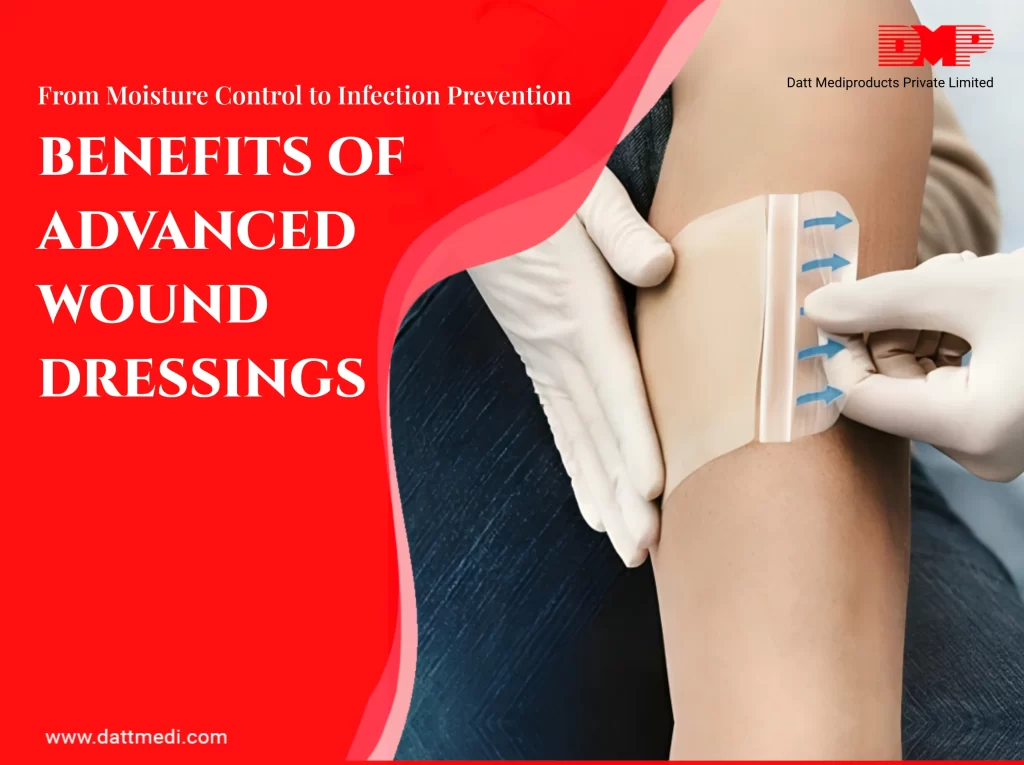
Visit www.dattmedi.com for more infomation.
Share:

Frequnently Asked Questions

Yes. Proper hydration improves blood circulation, supports oxygen and nutrient delivery to injured tissue, and helps skin cells repair and regenerate. These processes promote faster and more efficient wound healing, especially when supported with appropriate Wound Care Products.

Yes. Dehydration reduces blood flow, limits nutrient transport, and causes surrounding skin to become dry and fragile. Even mild dehydration can delay tissue repair and increase infection risk. Using proper Advanced Wound Care solutions can help manage healing more effectively.

Most adults benefit from about 8–10 glasses of water daily. Fluid needs may increase after surgery, during fever, or in hot weather. Individuals with medical conditions should follow their healthcare provider’s guidance, particularly when managing wounds with Compression Bandages.

Water supports cellular function, collagen formation, and skin elasticity. Adequate hydration helps new skin cells form and move across the wound, promoting healthy tissue regeneration. Moisture-supportive dressings like Transparent Film Dressings further enhance healing conditions.

Yes. Proper hydration supports immune function, helps transport infection-fighting cells, and maintains skin integrity around the wound, reducing the risk of infection and complications. Antimicrobial options such as Silver Dressings may provide additional protection when required.

Recent Blogs
Wound Care Tips for Diabetic Patients

Living with diabetes means being extra vigilant about health, especially when it comes to wound care. Even minor cuts or blisters can progress into serious complications due to delayed healing, poor circulation, and increased infection risks.

This makes wound care a crucial part of diabetes management. Fortunately, modern solutions and advanced therapies are transforming the way patients and caregivers approach diabetic wound care.

1. Unique Challenges in Diabetic Wound Healing

Diabetic wounds differ from ordinary wounds in several ways:

  • Reduced Sensation (Neuropathy): Many patients experience nerve damage that diminishes their ability to feel pain, making them less likely to notice small injuries.
  • Impaired Circulation: Restricted blood flow slows the delivery of oxygen and nutrients essential for healing.
  • Higher Infection Risk: Elevated glucose levels provide a favorable environment for bacteria, increasing the chance of infections.
Together, these challenges often lead to delayed healing and chronic wounds, particularly on the feet, making proactive care essential.

2. Innovative Wound Care Management Therapies

Recent advancements in wound care are improving recovery outcomes for diabetic patients:

  • Velvert® Dressings: Designed to create a protective, moist healing environment that accelerates tissue repair.
  • Negative Pressure Wound Therapy (NPWT): Uses gentle suction to remove fluids, reduce swelling, and promote faster healing.
  • Hydrogel & Advanced Dressings: Maintain moisture balance, reduce pain, and minimize scarring.
  • Antimicrobial Solutions: Dressings infused with silver or other agents help fight infection while supporting recovery.

These modern therapies go beyond basic bandaging, offering targeted solutions that actively support healing.

3. Importance of Early Detection and Timely Intervention

For diabetic patients, time is critical in wound management:

  • Regular Self-Checks: Inspecting feet and legs daily for cuts, blisters, or redness.
  • Professional Screenings: Routine check-ups with a podiatrist or healthcare provider.
  • Prompt Action: Treating even minor wounds immediately with proper cleaning and dressings.
Catching a wound early can prevent it from progressing into a serious ulcer or infection that might require advanced medical intervention.

4. Integrating Preventive Care into Daily Life

Prevention is the cornerstone of diabetic wound care. Patients can reduce risks by adopting these practices:

  • Daily Foot Inspections: Use a mirror or ask for assistance if needed.
  • Skin Hydration: Keep skin moisturized to prevent cracks that can invite infections.
  • Balanced Nutrition: A diet rich in protein, vitamins, and minerals supports healing.
  • Protective Footwear: Always wear well-fitted shoes and socks to avoid friction and injury.
Incorporating these habits into daily routines ensures long-term protection.

5. Advanced Off-Loading Solutions

Pressure management plays a vital role in diabetic wound care:

  • Total Contact Casting (TCC): Distributes weight evenly to reduce pressure on ulcers.
  • Customized Diabetic Footwear: Specially designed shoes help minimize friction and pressure points.
  • Pressure-Redistribution Insoles: Offer cushioning and support for patients with high-risk areas.
These solutions are critical for patients with foot ulcers, as they significantly reduce the chances of wound recurrence.

Empowering Diabetic Patients for Better Outcomes

Effective wound care is not just about healing—it’s about prevention, protection, and empowerment. By combining early detection, preventive strategies, advanced therapies, and innovative off-loading solutions, diabetic patients can significantly lower their risk of complications. With proactive care and modern tools, living with diabetes no longer has to mean living with chronic wounds.

Understanding Arthritis

Understanding Arthritis: How Compression Sleeves and Joint Supports Provide Relief

Arthritis is one of the most common chronic conditions affecting joints, with millions worldwide experiencing its impact daily. Characterized by joint pain, stiffness, and swelling, arthritis can significantly reduce mobility and quality of life.

While medical treatments and therapies are essential, patients often seek supportive solutions that offer daily relief and improve comfort.

Challenges Faced by Arthritis Patients

Living with arthritis is more than dealing with occasional discomfort—it involves:

  • Persistent joint pain and stiffness, limiting day-to-day movement.
  • Swelling and inflammation, which can worsen with activity.
  • Reduced grip and mobility, affecting simple tasks like walking, lifting, or writing.
  • Emotional impact, as long-term discomfort can lead to frustration, anxiety, and reduced independence.

These challenges highlight the importance of accessible, non-invasive support solutions.

How Orthopedic Support Products Help

Orthopedic aids like compression sleeves, joint supports, and braces are designed to complement medical management of arthritis. They provide:

  • Gentle compression, improving circulation and reducing swelling resulting in a quicker recovery.
  • Targeted support, stabilizing affected joints and limiting excessive strain.
  • Improved comfort, easing pressure during movement or rest.

By addressing both pain and mobility limitations, these products serve as practical companions in daily arthritis care.

Benefits of Using Orthopedic Supports for Arthritis

Patients using compression sleeves and joint supports may experience:

  • Pain reduction through controlled pressure and warmth.
  • Decreased inflammation by enhancing blood flow and minimizing fluid buildup and an enhanced lymphatic drainage to flush out toxins.
  • Better joint alignment and stabilisation reducing the risk of further strain or injury allowing the muscles and joints to function effectively.
  • Enhanced confidence and mobility, allowing greater participation in daily activities.

Choosing the Right Product

Selecting the appropriate orthopedic support is essential for effectiveness:

  • Compression sleeves: Best for continuous wear, mild-to-moderate pain, and swelling reduction.
  • Knee or elbow supports: Ideal for stabilizing specific joints during activity and to redistribute your weight thereby reducing knee pain. 

  • Braces with adjustable straps: Suitable for patients requiring targeted support or customized pressure.
  • Medical consultation: Always recommended to ensure the chosen product meets the patient’s condition and needs.

To maximize benefits, orthopedic supports should be incorporated into everyday routines:

  • Wear during physical activity or prolonged standing to prevent flare-ups.
  • Combine with gentle exercises recommended by physiotherapists.
  • Use alongside healthy lifestyle practices, including weight management, balanced nutrition, and anti-inflammatory habits.
  • Regularly monitor product fit and condition to maintain comfort and effectiveness.

Arthritis may be a lifelong condition, but it does not have to define a patient’s independence or comfort. Orthopedic products like compression sleeves and joint supports provide accessible, non-invasive relief—helping reduce pain, control inflammation, and support mobility.

By choosing the right product and integrating it into daily life, patients can regain confidence, ease, and a better quality of life.

Logo

Datt Mediproducts Private Limited

Loading