
Search by Blog
Read by Category

Your healing journey continues beyond this blog

Find the right products for better recovery at online store
Cart Image
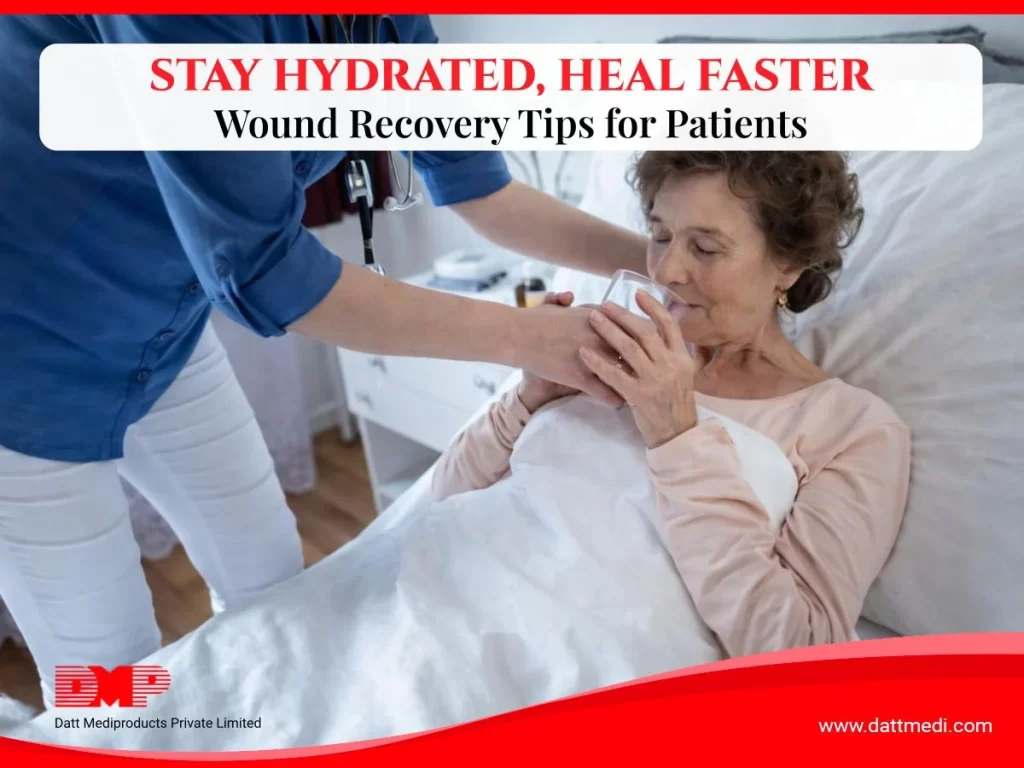
Patient drinking water for better wound healing

Recovery from a wound often focuses on dressings, medications, and rest. However, one simple habit can significantly support healing — staying hydrated.

Water plays a vital role in transporting nutrients, repairing damaged skin, and supporting the immune system. When the body lacks fluids, healing can slow down. Proper hydration helps the body rebuild tissues, maintain healthy skin, and recover more efficiently.

Maintaining adequate fluid levels is widely recognized as an important part of recovery and aligns with wound care guidance referenced by organizations such as the World Health Organization.

Why Hydration Matters for Wound Healing

1. Better Blood Flow to the Wound

Water helps maintain healthy blood circulation throughout the body.

Why it matters:
Good circulation delivers oxygen and nutrients essential for tissue repair while helping remove waste from the wound site.

What this means for you:
Improved blood flow supports faster healing and helps reduce swelling. In some cases, medical treatments such as compression therapy may also help improve circulation during recovery.

2. Supports Growth of New Skin

Water is essential for proper cellular function and tissue repair.

Why it matters:
New skin cells must grow and move across the wound surface to close the wound bed and restore the skin barrier.

What this means for you:
Adequate hydration helps support healthy tissue regeneration and contributes to more efficient wound recovery.

3. Keeps Skin Soft and Protected

Dehydration can make skin dry, fragile, and more prone to cracking.

Why it matters:
Dry skin around a wound may break easily and increase discomfort or infection risk.

What this means for you:
Well-hydrated skin remains flexible and resilient, allowing the surrounding tissue to better support healing.

Hydration Strengthens the Body’s Defense System

The immune system plays a critical role in preventing infection during wound recovery.

Proper hydration helps:

  • Support Infection-Fighting Immune Cells
  • Regulate Inflammation Needed For Healing
  • Transport Nutrients Throughout The Body
  • Maintain Tissue Oxygenation For Repair

When fluid levels are balanced, the body can respond more effectively to injury and recovery.

For infection-sensitive wounds, options like Silver Dressings may provide added protection.

Moisture Helps Wounds Heal Faster

Modern wound care focuses on maintaining a moist healing environment rather than allowing wounds to dry out.

Moisture-retentive wound dressings can help:

  • Prevent Hard Scabs From Forming
  • Support Natural Skin Repair
  • Reduce Discomfort During Healing
  • Minimize Scarring Risk
Maintaining controlled moisture around the wound creates conditions that support smoother and more efficient healing.

Internal Hydration Matters Too

While dressings help maintain external moisture, internal hydration supports healing from within.

Drinking enough fluids helps:

  • Nourish Skin Cells
  • Support Tissue Regeneration
  • Maintain Elasticity Of Surrounding Skin
  • Deliver Nutrients To Healing Tissue
Together, internal hydration and appropriate dressings such as Softswab Gauze and Velpore Adhesive Dressing create ideal healing conditions.

How Dehydration Slows Healing

When the body lacks sufficient fluids:

  • Healing Processes May Slow Down
  • Nutrients Reach The Wound Less Efficiently
  • Skin Becomes Dry And Fragile
  • Infection Risk May Increase
  • Recovery Time May Become Longer

Simple Ways to Stay Hydrated During Recovery

Drink Water Regularly

Most adults benefit from around 8–10 glasses of water per day, unless otherwise advised by a healthcare professional.

Fluid needs may increase during:

  • Hot weather
  • Fever or illness
  • Physical stress after surgery

Eat Water-Rich Foods

Certain foods naturally support hydration and healing, including:

  • Cucumber
  • Watermelon
  • Oranges
  • Leafy Greens
  • Tomatoes

These foods also provide vitamins and antioxidants that support skin repair.

Limit Drinks That Cause Fluid Loss

Some beverages may contribute to dehydration.

Try to limit:

  • Excessive caffeine
  • Sugary drinks
  • Alcohol

Choosing water and nutrient-rich foods supports healthier recovery.

Nutrition and Hydration Work Together

Hydration works best when combined with balanced nutrition.

Important nutrients for wound healing include:

  • Protein – Supports tissue repair
  • Vitamin C – Supports collagen formation
  • Zinc – Supports immune function
  • Iron – Supports oxygen transport

A balanced diet and adequate hydration together promote faster wound recovery.
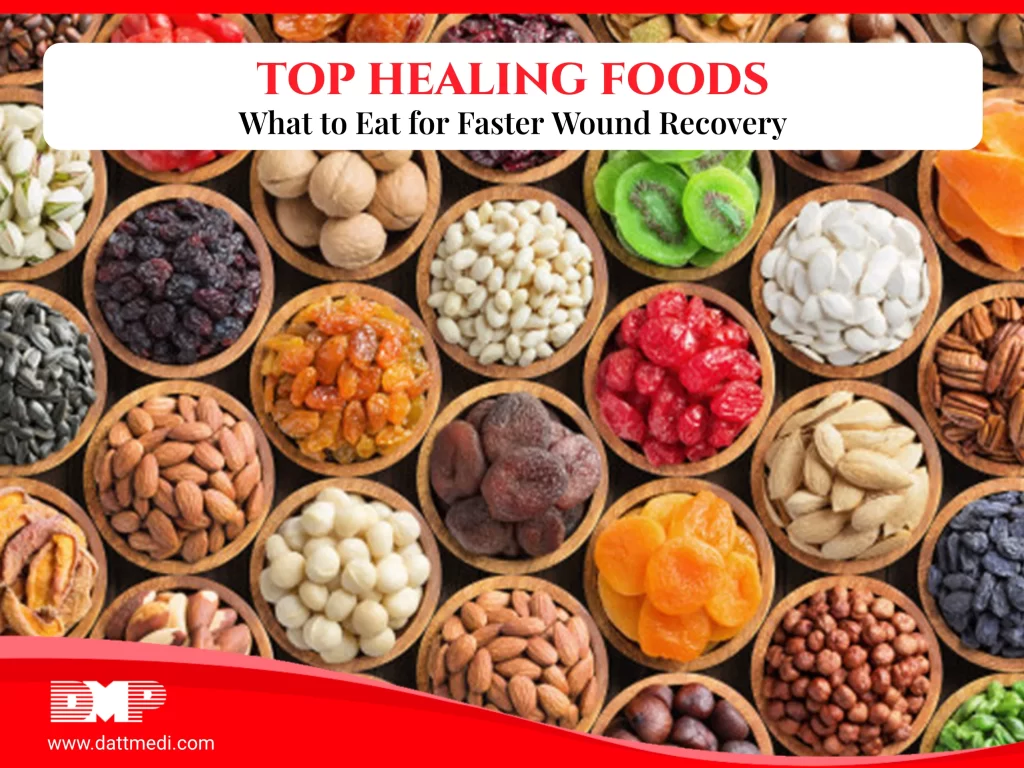
In addition to balanced fluids, choosing top foods that boost wound healing supports tissue repair and overall recovery.

Special Care Considerations

Patients with Medical Conditions

Individuals with conditions such as diabetes, kidney disease, or heart disease may require personalized hydration guidance.

Always follow the advice of healthcare professionals when managing fluid intake during recovery.

Elderly and Bedridden Patients

Older adults may not feel thirsty even when dehydrated.

Caregivers should:

  • offer fluids regularly
  • encourage small, frequent sips
  • monitor fluid intake
  • watch for signs of dehydration
Maintaining hydration is especially important during recovery after surgery or illness.

Combine Hydrating Habits with Good Wound Care

For optimal healing:

  • keep the wound clean as advised
  • use appropriate wound dressings
  • maintain a balanced, nutrient-rich diet
  • avoid smoking and tobacco exposure
  • follow medical advice for advanced wound care

Healthy daily habits can significantly support faster and safer wound recovery.
For a broader perspective on how daily habits influence recovery, explore our article on the impact of lifestyle on wound healing.

Signs Your Body May Need More Fluids

Watch for common signs of dehydration, including:

  • Dry Lips Or Skin
  • Dark Yellow Urine
  • Fatigue Or Dizziness
  • Slow Wound Improvement
  • Increased Skin Tightness Around The Wound

Increasing fluid intake may help support recovery and improve overall health.

Staying hydrated is one of the simplest and most effective ways to support wound healing. Fluids help maintain healthy circulation, deliver essential nutrients to the affected area, and assist the body’s natural repair processes.

When paired with proper wound care and balanced nutrition, good hydration can contribute to more efficient recovery and help lower the risk of complications.

Visit www.dattmedi.com for more infomation.
Share:

Frequnently Asked Questions

Yes. Proper hydration improves blood circulation, supports oxygen and nutrient delivery to injured tissue, and helps skin cells repair and regenerate. These processes promote faster and more efficient wound healing, especially when supported with appropriate Wound Care Products.

Yes. Dehydration reduces blood flow, limits nutrient transport, and causes surrounding skin to become dry and fragile. Even mild dehydration can delay tissue repair and increase infection risk. Using proper Advanced Wound Care solutions can help manage healing more effectively.

Most adults benefit from about 8–10 glasses of water daily. Fluid needs may increase after surgery, during fever, or in hot weather. Individuals with medical conditions should follow their healthcare provider’s guidance, particularly when managing wounds with Compression Bandages.

Water supports cellular function, collagen formation, and skin elasticity. Adequate hydration helps new skin cells form and move across the wound, promoting healthy tissue regeneration. Moisture-supportive dressings like Transparent Film Dressings further enhance healing conditions.

Yes. Proper hydration supports immune function, helps transport infection-fighting cells, and maintains skin integrity around the wound, reducing the risk of infection and complications. Antimicrobial options such as Silver Dressings may provide additional protection when required.

Recent Blogs
Overcoming Delayed Healing

Overcoming Delayed Healing: Common Causes and Practical Tips

Healing is a natural process—but sometimes, wounds don’t heal as quickly as expected. Delayed healing can impact physical comfort, increase the risk of infection, and reduce quality of life.

The good news…
Many common causes of delayed healing can be managed with simple lifestyle adjustments. Let’s explore these causes and discover actionable tips for improving the healing process.

Understanding Delayed Healing

Wound healing is influenced by various factors—some within our control, others that may require professional intervention. Identifying these causes is the first step toward a faster, more efficient recovery.

Common Causes of Delayed Healing

  • Poor Nutrition: Lack of essential nutrients, such as proteins, amino acids, fatty acids, carbohydrates, vitamins (A, C & E) and micronutrients (magnesium and zinc) to name a few, slows tissue repair by affecting one or more phases of the wound healing process.
  • Inadequate Hydration: Dehydration impairs skin regeneration.
  • Underlying Health Conditions: Conditions like diabetes, diabetes associated neuropathy, vascular diseases, or immune disorders can complicate healing.
  • Smoking or Alcohol Consumption: These enhance host susceptibility to infections that lead to impaired angiogenesis thereby reducing blood flow and oxygen delivery to tissues which are essential for wound healing.
  • Stress and Poor Sleep: Disrupt hormone balance and deregulate the immune system, which directly affects recovery. Additionally, stressed individuals are more likely to develop unhealthy habits such as inadequate nutrition, smoking, less exercise, poor sleep patterns; negatively modulating the healing mechanism.
  • Infection or Repeated Trauma to the Wound: Can significantly hinder the healing process. Microorganisms obtain easy access to the underlying tissues when skin is injured. The presence of replicating microorganisms in the wound elongates the inflammatory phase of the wound healing process. This can lead to the wound to enter into a chronic state with significant delay in wound healing.

Nutrition & Hydration Matter

Proper nutrition is essential for healing.

Incorporate the following into your diet:

  • Lean proteins (eggs, fish, legumes) for tissue repair
  • Fresh fruits and vegetables for vitamins and antioxidants
  • Whole grains to support energy levels and tissue growth
Tip: Staying well-hydrated ensures nutrients are transported to your cells, promoting faster healing and flushing out toxins.

Sleep & Stress Management

Proper rest accelerates healing. Focus on these habits:

  • Aim for 7–9 hours of sleep each night.
  • Practice mindfulness or relaxation techniques to reduce stress.
  • Limit screen time and caffeine before bed to enhance sleep quality.

Did You Know? Chronic stress raises cortisol levels, slowing wound recovery.

Daily Movement & Gentle Activity

Physical activity promotes circulation, which helps deliver oxygen and nutrients to healing tissues:

  • Engage in light activities, like short walks, if possible.
  • Avoid putting pressure on the wound site, and take care to avoid friction.
  • Elevate limbs to reduce swelling.
Important: Always follow your healthcare provider’s advice regarding movement and wound care.

Basic Wound Hygiene

Maintaining wound hygiene is crucial:

  • Keep the wound clean and protected with proper dressings.
  • Change dressings regularly, as advised by your healthcare provider.
  • Avoid touching or scratching the wound area.
Pro Tip: Wash your hands thoroughly before and after touching a wound to reduce infection risk.

When to Seek Help

If your wound isn’t healing as expected or you get fever or flu-like symptoms or the wound shows signs of infection (such as increased redness, heat, swelling, pus, or a foul odor), seek professional medical guidance. Conditions like diabetes or circulatory issues may require specialized wound care.

Take Small Steps Toward Better Healing

Every small change—from better hydration to taking a short walk—adds up. By staying informed and committed to your healing process, you give your body the best chance to recover naturally.

Empowering You with the Right Solutions

At Datt Mediproducts, we understand the importance of optimal healing. While we don’t provide medical treatment, our advanced wound care solutions are designed to support your recovery by offering comfort, protection, and care where it matters most.


Showering with Wounds

Showering with Wounds: Tips for Staying Clean and Safe During Healing

Keeping wounds clean and dry is essential for proper healing. However, many people worry about showering with wounds or bathing with an open wound and the potential risks of exposing wounds to water. Without proper precautions, water exposure can lead to complications like infections, delayed healing, or dressing displacement.

Risks of Showering with Wounds

  • Infection Risks: Water, especially non-sterile water, can introduce bacteria into the wound, increasing the risk of infection.
  • Delayed Healing: Excessive moisture can disrupt the wound environment, causing the skin to swell, affecting moisture balance and slowing the healing process.
  • Dressing Displacement: Bathing may cause bandages or dressings to loosen or fall off, exposing the wound to contaminants.

Do’s for Wound Care When Bathing

  • Use Waterproof Dressings: Protect your wound from water exposure by using waterproof dressings, which help prevent infection and promote proper healing.
  • Cover the Wound: If waterproof dressings aren’t available, use plastic wrap or a waterproof barrier to keep the wound dry.
  • Opt for Showers Over Baths: Showers reduce the risk of soaking wounds, as water flows off the body rather than submerging the wound.

Don’ts for Wound Care When Bathing

  • Avoid Soaking: Stay away from tubs, pools, or hot tubs, as they introduce bacteria and disrupt the wound environment.
  • Don’t Rub the Wound Area: Avoid scrubbing or applying soap directly on the wound to prevent irritation or removal of protective layers.
  • Avoid High-Pressure Water: Strong water pressure can disturb scabs, disrupt dressings, or cause discomfort.

Waterproof Dressing Options

1. Adhesive Films:

Velfix® – T Film: Provides a waterproof, breathable seal to protect wounds from water exposure.

2. Foam Dressings with Borders:

Velfix® – Edge: Features an adhesive border that creates a secure seal, preventing water from entering.

3. Silicone-Based Dressings:

Velfix® – Secure (PICC): Designed for long-term wound protection with a waterproof and skin-friendly seal.

4. Adhesive Tapes:

Velpore™ – T: A strong yet gentle adhesive tape that secures dressings in place, ensuring they remain effective during showers.

Steps for Showering with a Wound

  • Prepare the Wound: Clean and dress the wound before showering to ensure protection.
  • Use Lukewarm Water: Avoid hot or high-pressure water that could irritate the wound.
  • Pat Dry Carefully: After showering, gently pat the dressing dry with a soft, clean towel.

Signs to Watch For

If you notice redness, swelling, unusual discharge, persistent discomfort, warmth around the wound, or a foul odor, contact a healthcare provider immediately. These may indicate an infection or irritation that requires medical attention.

With the right precautions and waterproof dressings, showering with a wound can be safe and manageable. Choosing high-quality products helps protect wounds and support optimal healing. Always follow your healthcare provider’s guidance for the best wound care practices.

Logo

Datt Mediproducts Private Limited

Loading