

Search by Blog
Read by Category

Your healing journey continues beyond this blog

Find the right products for better recovery at online store
Cart Image
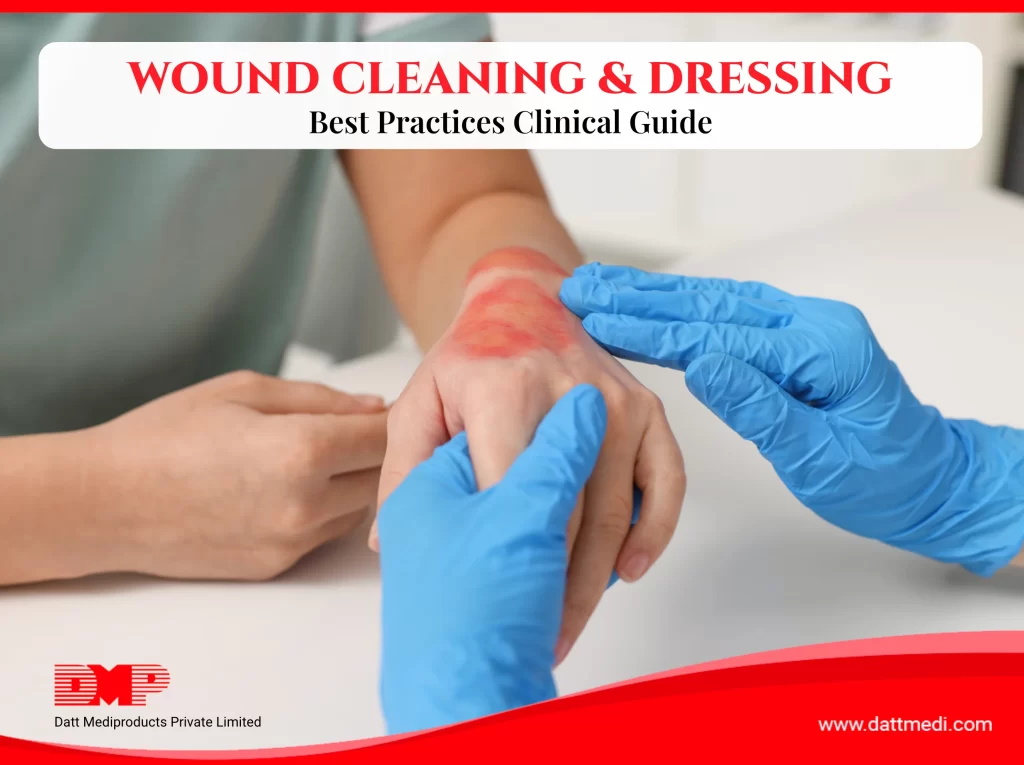
Cleaning wound with sterile saline before applying dressing

Knowing how to clean a wound properly and apply the right dressing plays a critical role in healing outcomes. Inadequate wound care is one of the most common reasons wounds become infected or take longer to heal.

Whether managing a minor cut at home, caring for a surgical incision, or supporting chronic wound recovery, following evidence-based wound care practices helps protect the skin, reduce complications, and support natural tissue repair.

Why Proper Wound Care Is Important

Proper wound care involves cleaning the wound, protecting it with an appropriate dressing made from clinically tested materials, and regularly monitoring the healing progress.

Effective wound care:

  • Reduces microbial contamination
  • Minimizes inflammation and tissue damage
  • Lowers the risk of scarring and delayed healing
  • Supports tissue regeneration, especially in patients with diabetes, poor circulation, or reduced immunity

Maintaining a clean and protected wound environment allows new tissue to form safely and consistently.

Practical example:
Healthcare facilities worldwide follow standardized wound care protocols because consistent and correct wound management directly improves patient recovery outcomes.

Step-by-Step Guide: How to Clean a Wound

A. Prepare Before Cleaning the Wound

1. What to do:
Prepare yourself and gather supplies before touching the wound.

2. Why it matters:
Proper preparation minimizes the risk of introducing bacteria into the wound.

3. How to do it:

  • Wash hands thoroughly and wear clean gloves.
  • Keep sterile saline or clean water ready.
  • Prepare clean, suitable wound dressings as advised, along with a waste disposal bag.

B. Clean the Wound Gently and Safely

1. What to do:
Remove visible dirt, debris, or dried discharge from the wound.

2. Why it matters:
Gentle cleaning reduces infection risk and supports faster healing.

3. How to do it:

  • Rinse the wound using a mild soap and sterile saline or clean running water
  • Use antiseptic solutions only if recommended by a healthcare professional
  • Avoid alcohol or hydrogen peroxide directly on the wound, as these may damage healthy tissue and delay healing

C. Dry the Wound Area Carefully

1. What to do:
Dry the surrounding skin after cleaning.

2. Why it matters:
Excess moisture can weaken surrounding skin and slow healing.

3. How to do it:

  • Gently pat the area dry using sterile gauze
  • Avoid rubbing the wound surface

Choosing the Best Dressing for Open Wounds

A. Factors to Consider When Selecting a Dressing

The best dressing for open wounds depends on:

  • Type of wound (minor cut, surgical incision, or chronic wound)
  • Amount of wound exudate (fluid)
  • Infection risk and patient activity level
Selecting the right dressing—based on wound type and healing needs—helps maintain an optimal wound environment and supports steady healing.

B. Common Types of Wound Dressings and Their Uses

  • Gauze Dressings:
    Suitable for minor wounds and short-term protection, such as Gamjee pads and cotton gauze rolls.
  • Foam Dressings:
    Ideal for moderate to heavily exuding wounds, such as Velfix-S, which helps absorb excess exudate while maintaining a balanced wound environment.
  • Hydrocolloid or Hydrogel Dressings:
    Help maintain a moist environment for healing.
  • Antimicrobial Dressings:
    Recommended when infection risk is high or infection is present, such as Velvert, used under medical guidance.
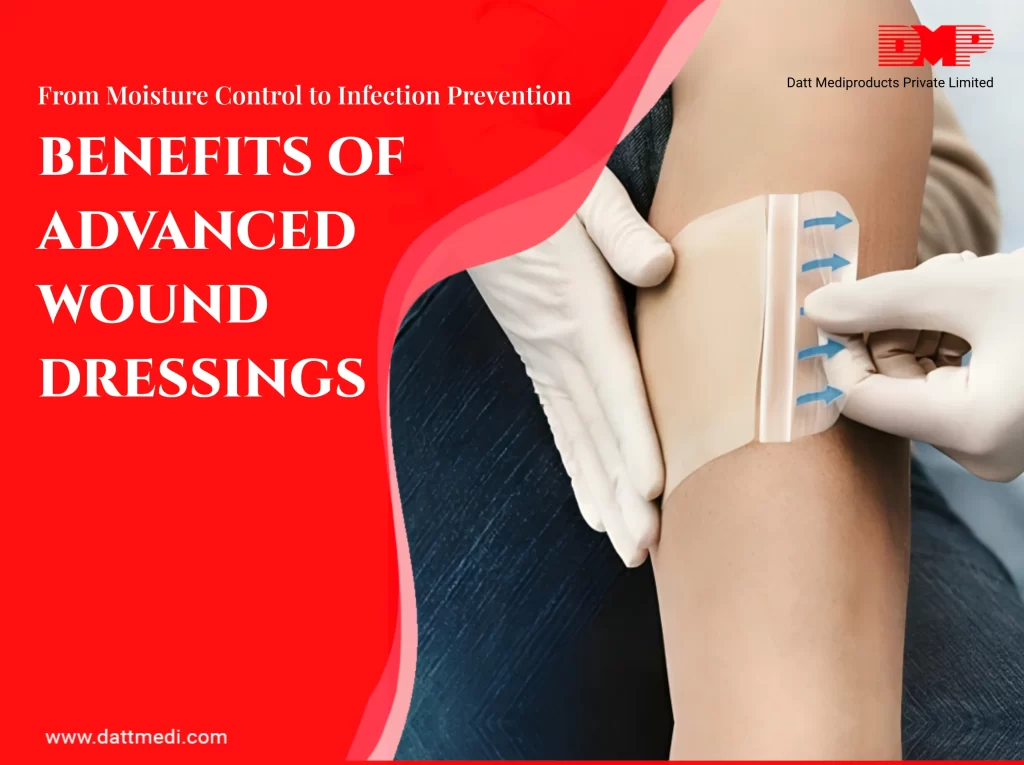
Modern wound management relies on advanced dressing technologies designed to maintain moisture balance and protect healing tissue. – Read More

How to Secure a Wound Dressing Correctly

1. Why it matters:
A dressing that is too loose may expose the wound, while one that is too tight can restrict circulation.

2. Best practices:

  • Use transparent sterile film dressings (Velfix-T Film) to secure the primary dressing while allowing wound visibility.
  • Medical adhesive tape may be used where appropriate.
  • Ensure the dressing is secure, comfortable, and does not restrict blood flow.

How Often Should You Change a Wound Dressing?

Dressing change frequency depends on wound type, exudate level and medical advice. Change the dressing if:

  • It becomes wet or contaminated
  • There is increased redness, discharge, or odor
  • Wounds with higher exudated will require more frequent dressing changes. 
Regular dressing changes using clean and sterilized post-operative or wound dressings reduce infection risk and support faster healing.

Monitoring Wound Healing and Infection Signs

Check the wound daily for:

  • Increased pain, redness, swelling, or warmth.
  • Discharge or unusual odor (possible infected wound signs).
  • Healthy pink or red tissue, which indicates healing.

If healing does not improve or symptoms worsen, consult a healthcare professional promptly.

If any warning signs persist or worsen, early identification is critical. Understanding the common symptoms of wound infection can help prevent serious complications and delayed healing.
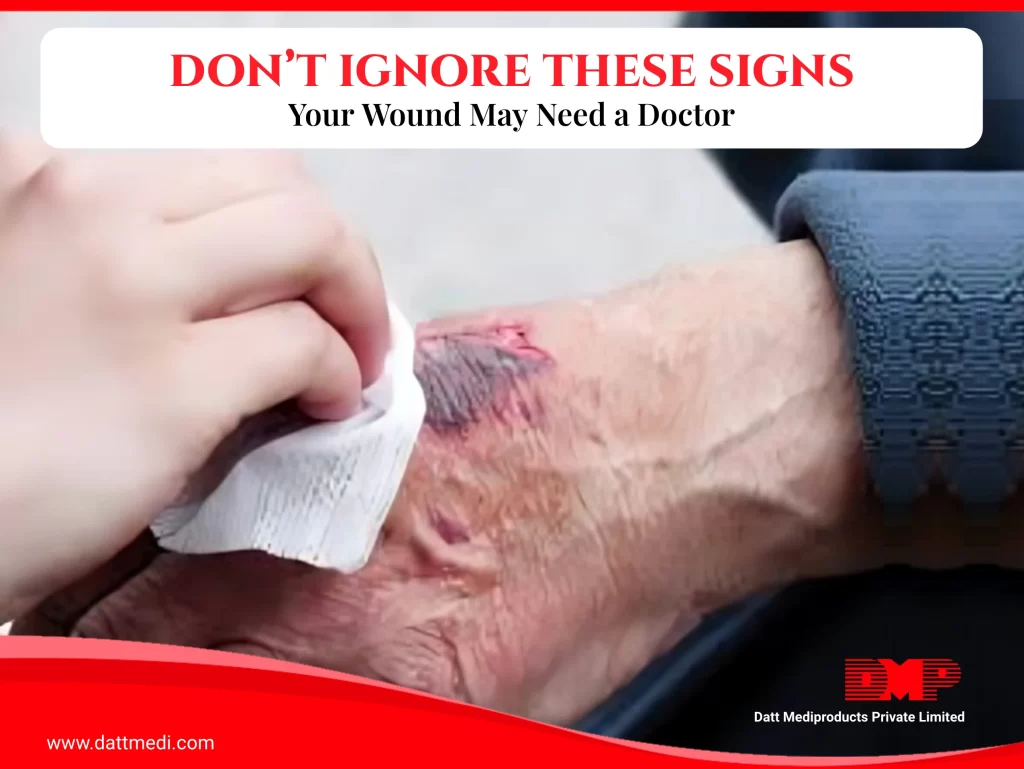
Read more: Signs of Infected Wounds: Symptoms, Risks, and When to Seek Medical Care

Common Wound Care Mistakes to Avoid

  • Using non-sterile or unclean materials
  • Leaving wounds uncovered for extended periods
  • Reusing old or soiled dressings
  • Applying products without professional advice
Avoiding these mistakes can significantly improve recovery outcomes.

When to Seek Medical Attention for a Wound

Seek professional care if:

  • The wound is deep or bleeding heavily
  • It is a burn
  • Signs of infection are present
  • The wound is chronic, such as diabetic foot ulcers or burns
  • Healing does not progress over time
In such cases, specialized solutions like advanced wound dressings may be required, under the guidance of healthcare professionals.

Simple Tips to Support Faster Wound Healing

  • Eat a balanced diet rich in protein, vitamins, and minerals
  • Stay adequately hydrated
  • Avoid smoking and excessive alcohol intake
  • Get sufficient sleep to support tissue repair

Understanding how to clean a wound and apply the correct dressing is essential for safe and effective healing. By following approapriate wound care steps and using quality wound dressings manufactured under international standards such as ISO and CE, patients and caregivers can reduce complications and support better outcomes.

For complex or slow-healing wounds, timely medical guidance remains essential.

Medical Disclaimer

This content is intended for general wound care education and does not replace professional medical advice. Always consult a healthcare provider for serious, worsening, or non-healing wounds.

Visit www.dattmedi.com for more infomation.
Share:

Frequnently Asked Questions

A wound dressing should be changed when it becomes wet, dirty, or loose, or as advised by a healthcare professional. Using clean and appropriate wound dressings helps prevent infection and supports faster healing, especially for open or surgical wounds.

The best way to clean a wound at home is to gently rinse it with a mild soap and sterile saline or clean running water and use clean gauze-based dressings for drying and protection. Avoid using alcohol or hydrogen peroxide directly on the wound, as these can damage healthy tissue and slow the healing process.

Common infected wound signs include increased redness, swelling, fever, warmth, pain, pus or discharge, foul odor, and delayed healing. If these symptoms appear, advanced care solutions such as advanced wound care dressings and timely medical attention may be required.

The best dressing for open wounds depends on the wound type and fluid level. Gauze dressings work well for minor wounds, while foam, hydrocolloid, or antimicrobial dressings—such as  Velvert—may be recommended for better protection and healing.

Yes. Wound care products should be manufactured under internationally recognized standards such as ISO and CE. These certifications ensure safety, quality, and reliable performance across hospitals, clinics, and home-care settings worldwide.

Recent Blogs
Applications of Velfix®࿯ T Film in Different Wound Types

Wound care has evolved significantly with the development of advanced dressings that cater to various needs. One such innovation is the Velfix® -T Film, a transparent film dressing made from high-quality polyurethane coated with adhesive on one side. This dressing offers a multitude of benefits, making it suitable for different wound types. In this blog, we will explore the various applications of Velfix® -T Film in wound management.

Waterproof Fixation of Wound Dressings:

One of the primary applications of Velfix® -T Film is its use as a waterproof fixation dressing. The film’s impermeability to liquid, water, and bacteria ensures that the wound remains protected from external contaminants. This feature is particularly beneficial for patients who need to shower or come into contact with water during their daily activities. The Velfix® -T Film acts as a barrier, keeping the wound dry and preventing infection while allowing moisture vapor and gases to pass through, promoting a healthy healing environment.

Managing Acute Wounds such as Abrasions and Lacerations:

Acute wounds, such as abrasions and lacerations, require prompt and effective management to prevent complications. Velfix® -T Film is an excellent choice for these types of wounds due to its flexibility and ease of application. The film conforms well to irregular wound contours, providing a secure and comfortable fit. Its transparent nature allows for easy monitoring of the wound’s progress without disturbing the healing process.

Using Velfix® -T Film for Postoperative Incisions:

Postoperative care involves protecting surgical incisions from infection and promoting optimal healing. Velfix® -T Film provides a protective barrier over postoperative wounds, reducing the risk of contamination while allowing for visual inspection without the need to remove the dressing. Its transparent nature facilitates monitoring of the wound site, ensuring early detection of any signs of infection or complications.

Protecting Minor Burns:

Minor burns can be painful and susceptible to infection. Velfix® -T Film offers a gentle and effective solution for protecting these wounds. Its hypoallergenic adhesive ensures secure fixation without causing discomfort, while the film’s barrier properties shield the burn from external irritants. The dressing also promotes a moist environment that supports faster healing and reduces scarring.

Benefits in Treating Superficial Pressure Ulcers:

Superficial pressure ulcers, often caused by prolonged pressure on specific areas of the body, require careful management to prevent further tissue damage. Velfix® -T Film‘s transparent and breathable design makes it ideal for these wounds. The dressing protects the ulcerated area from friction and trauma while allowing clinicians to monitor healing progress easily. Its moisture-retentive properties aid in promoting tissue regeneration and preventing infection.

Hence, Velfix® -T Film stands out as a versatile option in wound care, offering benefits across a range of applications. From waterproof fixation and postoperative wound management to protecting burns and treating pressure ulcers, this transparent film dressing provides a conducive environment for healing while ensuring patient comfort. Its ease of use, breathable design, and hypoallergenic properties make it a valuable tool in modern wound care practices.

Whether used in hospitals, clinics, or home care settings, Velfix® -T Film exemplifies innovation in wound management, enhancing patient outcomes and quality of care. For healthcare providers seeking reliable solutions to enhance wound healing, Velfix® -T Film proves to be an indispensable choice.

Comparing Orthopedic Casts

When it comes to managing fractures, the choice of cast material can make a significant difference in a patient’s recovery experience. Orthopaedic casts are essential in ensuring that broken bones heal correctly by providing the necessary immobilization. Two popular options in the medical field are Fiberglass and Plaster of Paris (POP) bandages. But how do they compare? Let’s dive into the details.

A. Material Composition: The Building Blocks

The fundamental difference between these two types of bandages begins with what they are made of:

  • Fiberglass is a synthetic material, made from plastic fibers coated with a resin. It’s known for being lightweight and is often available in various colors, which can add a bit of personality to an otherwise clinical experience.
  • Plaster of Paris is made from a fine white powder called gypsum. When mixed with water, it forms a thick paste that hardens as it dries.

B. Application Process: Ease vs. Skill

Applying these bandages requires different techniques:
  • Fiberglass bandages are dipped in water, applied to the injury, and begin hardening almost immediately, which allows for quick and efficient application. This makes it easier for healthcare providers to mold it perfectly to the patient’s body.
  • Plaster of Paris bandages need to be soaked in water and take longer to set. While they require more skill to apply, they offer a smooth finish that many patients find comfortable.

C. Durability and Strength: Which Lasts Longer?

When considering durability:
  • Fiberglass is the champion of strength. Its resistance to wear and tear makes it ideal for active individuals or cases requiring long-term immobilization.
  • Plaster of Paris is less durable, with a tendency to chip over time, making it better suited for short-term casts or initial treatments.

D. Comfort and Breathability: Feeling at Ease

Comfort is a top priority for patients who need to wear a cast for an extended period:
  • Fiberglass is lighter and less bulky, which adds to the patient’s comfort. However, it can sometimes be less breathable, leading to potential discomfort in hot or humid climates.
  • Plaster of Paris is bulkier and heavier, but it’s smooth finish can be more comfortable for some, allowing the skin to breathe better.

E. Setting Time and Ease of Use: Quick vs. Steady

The time it takes for a cast to set is crucial:
  • Fiberglass sets in just a few minutes, enabling patients to resume limited activities sooner.
  • Plaster of Paris takes much longer, often up to 15 minutes, which can be a disadvantage when immediate mobility is needed.

F. Water Resistance and Hygiene: Keeping It Clean

Hygiene is another critical factor:
  • Fiberglass is water-resistant, making it easier to maintain and less likely to harbour bacteria.
  • Plaster of Paris does not resist water and can easily disintegrate if exposed to moisture, requiring patients to take extra precautions to keep it dry.

G. Cost and Accessibility: Budget Matters

Cost and availability can influence the choice:
  • Fiberglass is typically more expensive and may not be available in all healthcare settings.
  • Plaster of Paris is more affordable and widely accessible, making it the go-to option in many clinics and hospitals, especially in resource-limited settings.

H. Environmental Impact: Think Green

With growing awareness about environmental impact:
  • Fiberglass, being a synthetic material, is less eco-friendly and can pose disposal challenges.
  • Plaster of Paris is derived from natural materials and is more environmentally friendly, though proper disposal is still necessary.

I. Clinical Applications: The Right Cast for the Right Case

  • Fiberglass is often recommended for long-term use and in cases where the patient is likely to remain active.
  • Plaster of Paris is ideal for short-term immobilization or initial treatments, particularly when budget constraints are a concern.

Making the Right Choice : Choosing between Fiberglass and Plaster of Paris bandages depends on several factors, including the patient’s lifestyle, the duration of immobilization, and budget.

Fiberglass is generally favoured for its durability and water resistance, while Plaster of Paris remains a trusted option for initial and short-term care due to its affordability and ease of use.

For more insights and to explore our range of orthopaedic casting products, visit our website: Velcast™ – Orthopaedic Fiberglass Casting Tape, Osteopop™ – Plaster of Paris Bandage and Velpop® – Plaster of Paris Bandage. Discover the best solutions for your orthopaedic needs today!

Logo

Datt Mediproducts Private Limited

Loading