
Search by Blog
Read by Category

Your healing journey continues beyond this blog

Find the right products for better recovery at online store
Cart Image
Knee brace and compression sleeve comparison

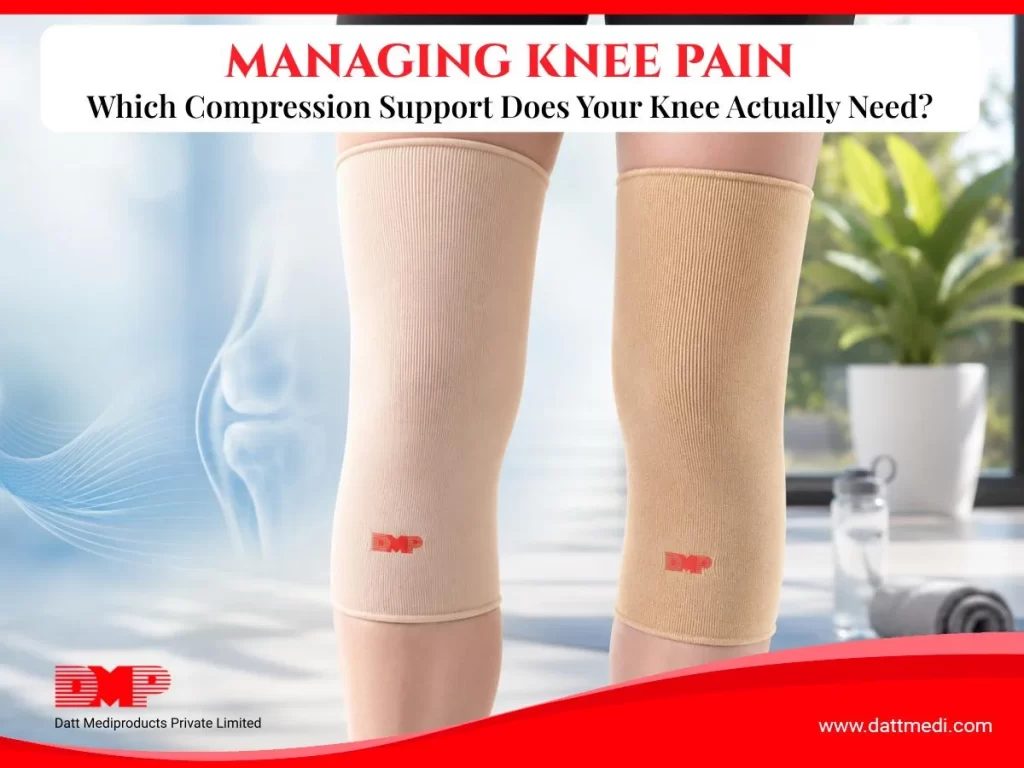
Knee compression supports are one of the most commonly used orthopaedic aids — for good reason. They reduce swelling, provide joint stability, and allow people to stay active during recovery. But picking the wrong one delivers less benefit than it should.

The Datt Mediproducts range includes two knee compression supports: the Knee Cap® and the Knee Cap Classic®. Both share the same anatomically tapered form and four-way elasticised construction, but differ in material composition — and that difference matters for fit, stretch, and the conditions each handles best.

This guide breaks down both products clearly so you can match the right support to the right situation.

Understanding Knee Compression Supports

Before comparing the two products, it helps to understand what knee compression supports actually do — and what they don’t.

A compression sleeve works by applying graduated pressure around the knee joint. This pressure does three things: it reduces fluid accumulation in the surrounding tissue (reducing swelling), it improves proprioception — the joint’s sense of its own position in space — which improves stability and coordination, and it provides mild structural support to the muscles and ligaments surrounding the joint.

Compression sleeves are not rigid braces. They do not prevent movement or immobilise the joint. Their role is to support the knee while allowing full, natural range of motion — making them suitable for both active use during daily activity and recovery phases where movement is encouraged.

Knee Cap® vs Knee Cap Classic®: What Is Actually Different?

Both products share the same core design: anatomically tapered, four-way elasticised fabric, breathable moisture-transporting weave, beige colour, and easy pull-on application. Available in S to XXL (37–67 cm thigh circumference). The key difference is material composition.

FeatureKnee Cap®Knee Cap Classic®
MaterialPolyamide, Polyester, Cotton, Nylon, Spandex, RubberPolyamide, Polyester, Cotton, Rubber
Key differentiatorContains Spandex + Nylon — higher elasticity and stretch recoveryNo Spandex — firmer, more structured fabric
Compression feelSofter, more flexible compression — moves freely with the jointFirmer, more structured compression — greater sense of support
Best forActive use, exercise, long-duration wear, mild-to-moderate conditionsRecovery, post-operative support, instability, conditions needing firmer hold
IndicationsArthritis, swelling, sprains, ligament/muscle injury, post-op, weak kneesArthritis, swelling, sprains, ligament/muscle injury, post-op, weak knees
SizesS, M, L, XL, XXLS, M, L, XL, XXL
ColourBeigeBeige

Knee Cap® — When to Choose It

The inclusion of Spandex and Nylon gives the Knee Cap® a higher degree of stretch and elastic recovery. The fabric moves with the joint rather than resisting it, making it more comfortable for extended wear and higher-activity use.

Best suited to:

  • Daily activity support — long hours of standing, walking, or commuting
  • Exercise and sports — where full range of motion is needed alongside compression
  • Mild-to-moderate swelling from arthritis or overuse
  • Sprains and strains in active recovery, where movement is encouraged
  • Individuals who have worn a rigid brace and are transitioning to lighter support
  • Long-duration wear where breathability and comfort are priorities

The four-way stretch and moisture-transporting weave make it particularly well-suited to warmer climates or extended wear through a full workday.

Knee Cap Classic® — When to Choose It

Without Spandex, the Knee Cap Classic® fabric is slightly firmer and provides a more structured feel against the joint. For some users — particularly those managing instability or recovering from injury — this firmer hold provides greater confidence during movement.

Best suited to:

  • Post-operative knee support — where firmer compression is preferred in the early recovery phase
  • Ligament injuries — where the joint needs a stronger sense of containment
  • Knee instability — where proprioceptive feedback from firmer compression helps prevent giving way
  • Arthritic pain management — particularly where the joint feels loose or unpredictable
  • Individuals who find softer sleeves feel insufficient for their level of discomfort
The Classic’s firmer structure makes it the better starting point when someone is first introducing compression support and needs the reassurance of a more defined hold.

Clinical Indications: Both Products

Both the Knee Cap® and Knee Cap Classic® are indicated for the same range of conditions. The choice between them is about compression feel and activity level, not about which conditions they cover.

  • Arthritic knee pain — reduces swelling and improves joint comfort during movement
  • Swelling from injury or post-operative recovery — graduated compression reduces fluid accumulation
  • Ligament and muscle injuries — supports the surrounding soft tissue during healing
  • Sprains and strains — protects the joint during active recovery
  • Stabilisation of weak knees — improves proprioception and confidence during weight-bearing
  • Post-operative knee support — provides compression during the rehabilitation phase

How to Size Correctly

Both products are sized by thigh circumference, measured approximately 15 cm above the centre of the kneecap. An incorrect size is one of the most common reasons compression sleeves underperform — too loose provides minimal compression; too tight restricts circulation.

SizeInchesCentimetres
S14.8 – 17.2″37 – 43 cm
M17.2 – 19.6″43 – 49 cm
L19.6 – 22″49 – 55 cm
XL22 – 24.4″55 – 61 cm
XXL24.4 – 26.8″61 – 67 cm

Safe Use Guidelines

When to Wear It

Compression sleeves are designed for use during periods of activity and weight-bearing — standing, walking, exercising. Most people do not need to wear them at night or during extended rest periods. If your clinician has advised otherwise, follow their specific guidance.

Combining with Rehabilitation

Compression support works alongside rehabilitation — not instead of it. Quadriceps strengthening, hamstring flexibility, and hip stability exercises address the underlying muscle weakness that contributes to knee instability and pain. A compression sleeve manages symptoms during activity; exercise addresses the cause.

Signs the Fit Needs Adjusting

  • Sleeve rolls down or bunches behind the knee — size may be too large
  • Visible skin bulging above or below the sleeve — size may be too small
  • Numbness, tingling, or increased swelling below the knee — too tight, remove immediately
  • No perceptible compression when standing — fabric has lost elasticity, replace the sleeve

Managing Orthopedic Injuries

Related reading: From the Field to Recovery: Orthopedic Injury Essentials for Athletes

When Compression Is Not Enough

Compression sleeves are appropriate for a wide range of common knee conditions. However, some situations require more rigid structural support than a sleeve can provide:

  • Significant ligament instability (ACL, PCL, MCL, LCL tears) — typically requires a hinged brace
  • Meniscal injuries with mechanical symptoms (locking, giving way) — requires clinical assessment
  • Post-operative immobilisation immediately after surgery — rigid brace or cast typically prescribed
  • Fractures or bone stress injuries — require immobilisation, not compression
If you are unsure which level of support your condition requires, consult a physiotherapist or orthopaedic specialist before selecting a product.

Choosing the Right Support from the Start

The difference between the Knee Cap® and Knee Cap Classic® comes down to how the compression feels against the joint and what activity level the sleeve needs to accommodate. For flexible, active, long-duration use — the Knee Cap®. For a firmer, more structured hold during recovery or instability — the Knee Cap Classic®.

Both are sized S to XXL, both are breathable and pull-on, and both cover the full range of common knee conditions. The right one is the one that matches how your knee feels and what you need it to do.

Browse: Knee Cap®  |  Knee Cap Classic®
Understanding Arthritis

Related reading: The Role of Orthopedic Support Products in Arthritis Pain Management

Visit www.dattmedi.com for more infomation.
Share:

Frequnently Asked Questions

Yes, for most people. Both the Knee Cap® and Knee Cap Classic® are designed for extended daily wear. The breathable, moisture-transporting fabric manages heat and sweat during long use. Remove if you experience any numbness, tingling, or increased swelling below the knee.

Both are indicated for arthritic knee pain. The Knee Cap® suits those who want flexibility and comfort during active daily use. The Knee Cap Classic® is the better choice if the joint feels unstable or if a firmer hold is preferred during flares. If arthritis is more advanced or the joint is significantly swollen, consult a healthcare professional before selecting a compression level.

With daily use, most compression sleeves should be replaced every 3–6 months. The elastic fibres degrade with washing and wear, and a sleeve that has lost its elasticity is no longer delivering effective compression. If the sleeve feels loose or no longer provides the same hold as when new, it is time to replace it.

Yes. The Knee Cap® is particularly suited to active use given its Spandex-enhanced stretch and moisture-transporting weave. It moves with the joint and manages sweat during exercise. For contact sports or high-impact activity where the joint needs stronger protection, consult a sports medicine professional about whether additional support is appropriate.

No. Knee compression sleeves like the Knee Cap® and Knee Cap Classic® are available without a prescription. However, if your knee pain is persistent, unexplained, or worsening, a clinical assessment is advisable before relying on compression support alone.

Recent Blogs
Understanding Arthritis

Understanding Arthritis: How Compression Sleeves and Joint Supports Provide Relief

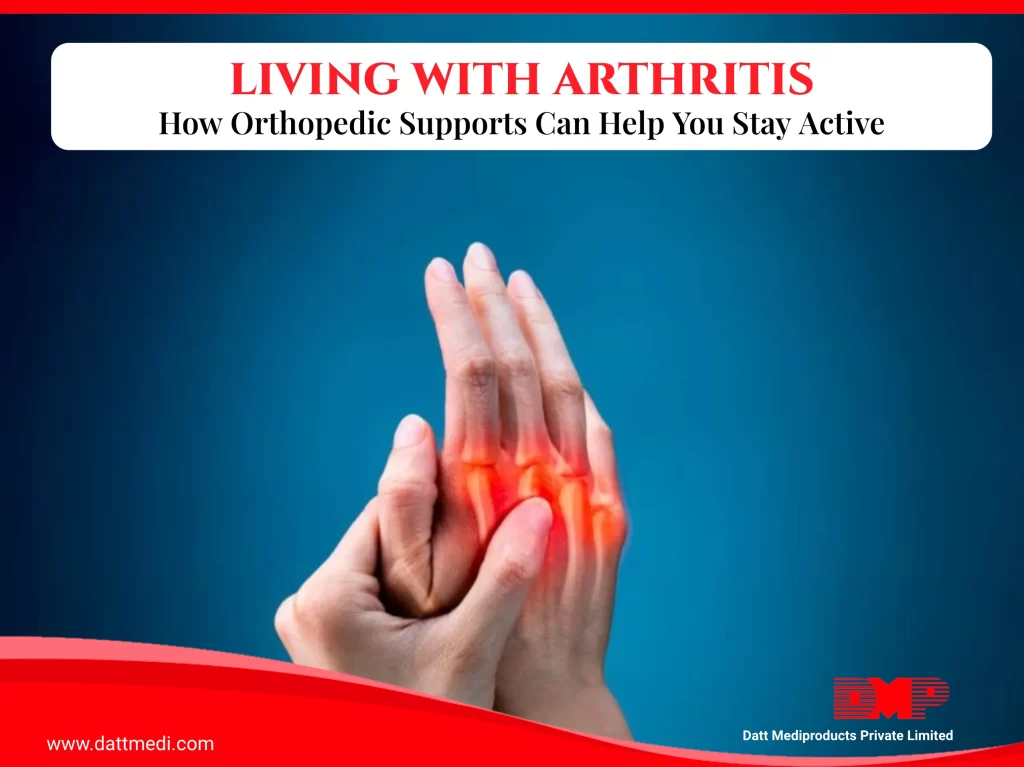
Arthritis is one of the most common chronic conditions affecting joints, with millions worldwide experiencing its impact daily. Characterized by joint pain, stiffness, and swelling, arthritis can significantly reduce mobility and quality of life.

While medical treatments and therapies are essential, patients often seek supportive solutions that offer daily relief and improve comfort.

Challenges Faced by Arthritis Patients

Living with arthritis is more than dealing with occasional discomfort—it involves:

  • Persistent joint pain and stiffness, limiting day-to-day movement.
  • Swelling and inflammation, which can worsen with activity.
  • Reduced grip and mobility, affecting simple tasks like walking, lifting, or writing.
  • Emotional impact, as long-term discomfort can lead to frustration, anxiety, and reduced independence.

These challenges highlight the importance of accessible, non-invasive support solutions.

How Orthopedic Support Products Help

Orthopedic aids like compression sleeves, joint supports, and braces are designed to complement medical management of arthritis. They provide:

  • Gentle compression, improving circulation and reducing swelling resulting in a quicker recovery.
  • Targeted support, stabilizing affected joints and limiting excessive strain.
  • Improved comfort, easing pressure during movement or rest.

By addressing both pain and mobility limitations, these products serve as practical companions in daily arthritis care.

Benefits of Using Orthopedic Supports for Arthritis

Patients using compression sleeves and joint supports may experience:

  • Pain reduction through controlled pressure and warmth.
  • Decreased inflammation by enhancing blood flow and minimizing fluid buildup and an enhanced lymphatic drainage to flush out toxins.
  • Better joint alignment and stabilisation reducing the risk of further strain or injury allowing the muscles and joints to function effectively.
  • Enhanced confidence and mobility, allowing greater participation in daily activities.

Choosing the Right Product

Selecting the appropriate orthopedic support is essential for effectiveness:

  • Compression sleeves: Best for continuous wear, mild-to-moderate pain, and swelling reduction.
  • Knee or elbow supports: Ideal for stabilizing specific joints during activity and to redistribute your weight thereby reducing knee pain. 

  • Braces with adjustable straps: Suitable for patients requiring targeted support or customized pressure.
  • Medical consultation: Always recommended to ensure the chosen product meets the patient’s condition and needs.

To maximize benefits, orthopedic supports should be incorporated into everyday routines:

  • Wear during physical activity or prolonged standing to prevent flare-ups.
  • Combine with gentle exercises recommended by physiotherapists.
  • Use alongside healthy lifestyle practices, including weight management, balanced nutrition, and anti-inflammatory habits.
  • Regularly monitor product fit and condition to maintain comfort and effectiveness.

Arthritis may be a lifelong condition, but it does not have to define a patient’s independence or comfort. Orthopedic products like compression sleeves and joint supports provide accessible, non-invasive relief—helping reduce pain, control inflammation, and support mobility.

By choosing the right product and integrating it into daily life, patients can regain confidence, ease, and a better quality of life.

Venous Health and Compression Therapy

Understanding Venous Insufficiency: The Role of Compression in Managing Symptoms

World Heart Day, observed annually on September 29, focuses on promoting cardiovascular health worldwide. An essential but often overlooked aspect of cardiovascular wellness is venous health, which plays a critical role in overall circulation and mobility. 

Compression therapy has emerged as a cornerstone in managing venous insufficiency and related disorders, offering effective support for improved circulation and symptom relief.

Understanding Venous Insufficiency and Varicose Veins

1. Venous Insufficiency:

This condition arises when the veins, especially in the lower limbs, fail to efficiently return blood to the heart. It results in blood pooling, leading to symptoms such as leg swelling, heaviness, pain, and fatigue. Normally one-way valves or muscles pump blood back to the hear, but in venous insufficiency the valves are weakened or damaged causing blood to flow backwards or pool in the legs.

2. Varicose Veins:

This is one of the by products of venous insufficiency. Caused by weakened vein walls and malfunctioning valves, varicose veins are dilated, twisted veins visible under the skin surface. These can cause discomfort, skin changes, and increase the risk of ulcers if left unmanaged.

Role of Compression Therapy in Venous Health

Compression therapy applies controlled, graduated pressure to the legs, enhancing venous return by supporting vein walls and valves. This mechanical assistance:

  • Improves blood flow velocity
  • Reduces venous pressure and pooling
  • Minimizes edema (swelling) and associated discomfort and pain
  • Improves microcirculation in tiny blood vessels which is crucial for tissue oxygenation and healing 

Benefits of Compression Therapy for Cardiovascular Health

  • Enhanced Circulation: Promotes efficient blood return to the heart, thereby reducing risks of deep vein thrombosis (DVT) and venous stasis.
  • Symptom Management: Compression alleviates pain, swelling, and skin changes, improving patient mobility and quality of life.
  • Post-Surgical Recovery: Compression therapy accelerates healing after vein surgery or injury by controlling inflammation and supporting tissue repair.

Scientific Backing and Clinical Guidelines

Multiple clinical studies and guidelines from vascular health authorities endorse the use of compression therapy as a first-line, evidence-based treatment for venous insufficiency and related conditions. 

Compression products that deliver consistent and graduated pressure are shown to significantly reduce recurrence rates of venous ulcers and improve functional outcomes.

How DMP Supports Your Venous Care Needs

At DMP, we provide a comprehensive portfolio of premium compression therapy products tailored to address diverse clinical requirements and patient needs. Our offerings are designed to support effective venous health management with a focus on comfort, durability, and therapeutic efficacy.

Velcare® Varicose Vein Stocking:

Engineered for superior comfort and long-lasting durability, these stockings are available in multiple compression classes to suit varying degrees of venous insufficiency and post-operative care. Velcare® is ideal for daily use, providing reliable support to alleviate symptoms associated with chronic venous conditions.

Velkomp® Compression Bandage:

Designed to deliver firm, adjustable compression, Velkomp® is recommended for managing post-injury recovery and chronic venous disorders. These inelastic, non-stretch bandages offer higher compression levels essential for controlling edema and supporting healing in cases of venous ulcers and lymphedema.

All our products are manufactured under strict quality controls and comply with international standards, including ISO 13485 and CE certification, ensuring consistent safety, reliability, and clinical effectiveness.

Venous health plays a pivotal role in overall cardiovascular wellness, making effective management essential to prevent complications and enhance quality of life. 

Incorporating compression therapy into patient care protocols is a proven strategy that delivers measurable benefits, from symptom relief to accelerated recovery.

On this World Heart Day, we reaffirm our commitment to supporting healthcare professionals and patients with advanced compression solutions that align with the highest standards of care. 

Early intervention and sustained management with DMP’s trusted products can significantly improve venous circulation and long-term cardiovascular health outcomes.

Logo

Datt Mediproducts Private Limited

Loading