
Search by Blog
Read by Category

Your healing journey continues beyond this blog

Find the right products for better recovery at online store
Cart Image
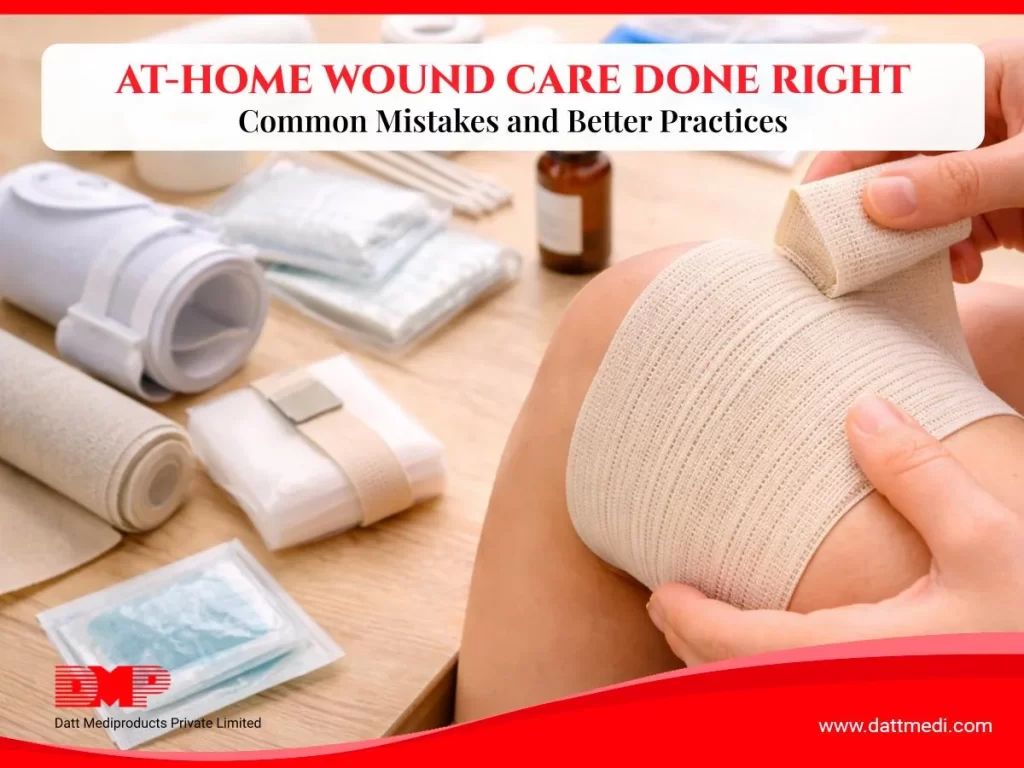
Improper wound cleaning and dressing at home

At-home wound care plays a bigger role in healing than most people realize. Many wounds that later become infected or heal slowly don’t start as serious injuries; they worsen because of small, everyday mistakes in home care.

These mistakes are rarely intentional. They usually occur due to confusion, over-cleaning, ignoring signs of infection or using unsuitable dressings. With the right approach, however, effective wound care at home can significantly reduce infection risk, improve comfort, and support faster healing.

This blog is especially helpful for individuals managing minor cuts, post-surgical wounds, or caring for elderly patients at home. It explains the most common at-home wound care mistakes, how to avoid them, and when professional medical help is necessary.

Common At-Home Wound Care Mistakes (And What Works Better)

1. Over-Cleaning the Wound

The Mistake
Cleaning the wound too frequently or using strong solutions such as spirit, iodine, or hydrogen peroxide.

Why This Is a Problem
While cleaning is essential, over-cleaning can damage newly forming tissue and slow the body’s natural healing process. Repeated use of harsh antiseptics may irritate the wound bed and delay recovery.

What to Do Instead

  • Always wash your hand thoroughly first
  • Clean once daily or if the dressing gets dirty
  • Use a mild soap and clean water or saline
  • Gently pat dry—do not scrub
Practical Insight
For most minor wounds, gentle cleaning combined with appropriate wound care dressings is sufficient to prevent infection and support healthy healing.

2. Touching the Wound or Dressing Surface

The Mistake
Directly touching the wound or the surface of the dressing that comes in contact with the skin.

Why This Increases Infection Risk
Hands naturally carry bacteria, even after washing. Touching sterile surfaces can transfer germs directly to the wound, increasing the risk of infection.

What to Do Instead

  • Wash hands before and after wound care
  • Handle dressings only from the edges
  • Avoid reusing or adjusting used dressings
Practical Insight
Using sterile ready-to-use dressings helps maintain hygiene and reduces unnecessary handling during home care.

3. Using the Wrong Dressing for the Wound

The Mistake
Applying any available bandage without considering the wound type, size, or location.

Why This Slows Healing
An unsuitable dressing may stick to the wound, trap excess moisture, irritate surrounding skin, or restrict movement—leading to discomfort and delayed healing.

What to Do Instead

  • Asses the wound.
  • Depending on the type of wound choose an appropriate dressing. If you need help choosing a dressing or have any doubts of the type of wound please contact a healthcare professional.
  • Choose sterile, breathable, non-irritating dressings
  • Ensure secure but comfortable placement
  • Change the dressing regularly and if it becomes wet, dirty, or loose
Practical Insight
Well-designed gauze-based dressings and post-operative film dressings support protection, comfort, and consistent healing at home.

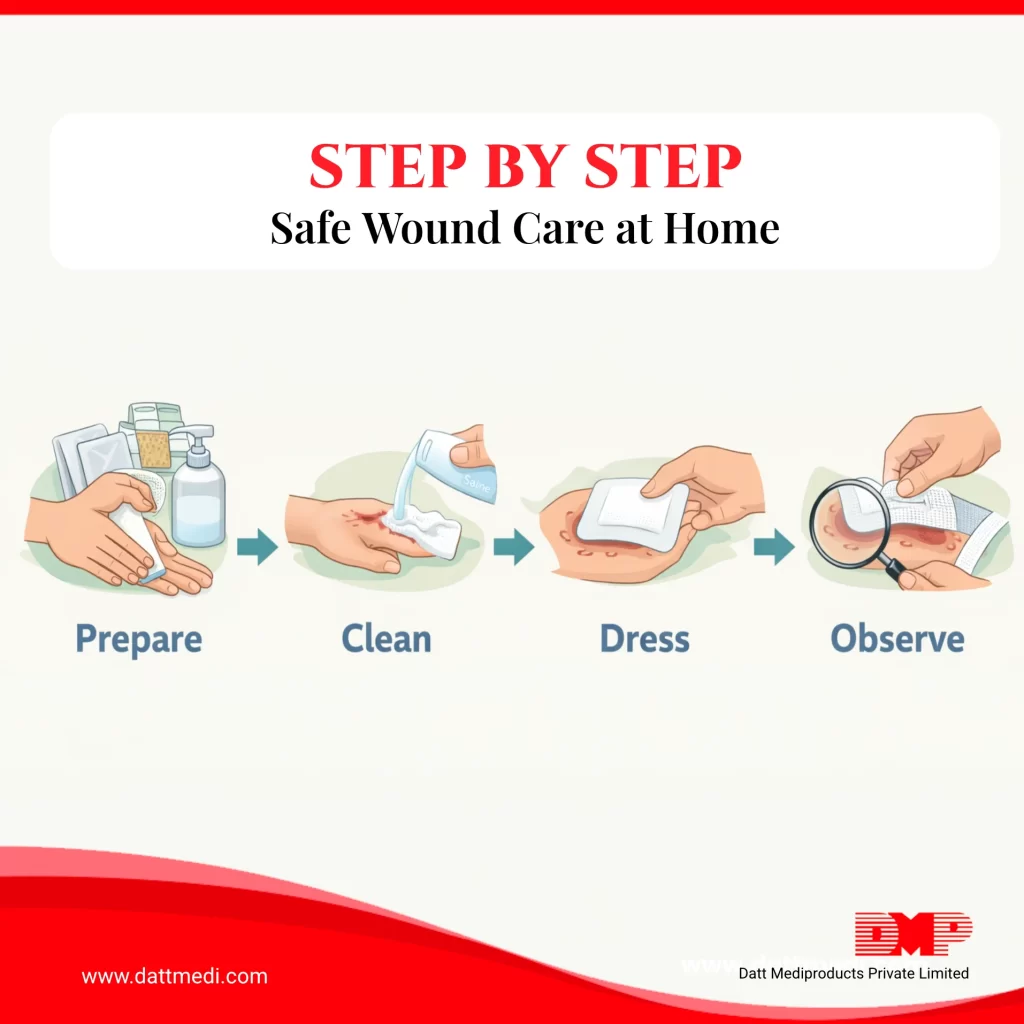
Step-by-Step: Safe Wound Care at Home

Following a simple routine helps prevent infection and supports steady healing.

Step 1: Assess the wound

  • Assess the wound to see how serious and what type of wound it is.
  • You should seek professional care if:
  • you can see the bone or blood vessels
  • the bleeding doesn’t stop even after pressure is applied
  • it is a burn wound
  • it is a bite wound from an animal

Step 2: Prepare

  • Wash hands thoroughly
  • Keep all dressing materials ready

Step 3: Clean

  • Rinse the wound gently with mild soap and clean water or saline
  • Pat dry with sterile gauze such as cotton gauze products

Step 4: Dress

  • If it is a minor cut of scrape let it air out, it doesn’t need a bandage
  • For larger wounds apply a sterile dressing without touching the pad
  • Smooth it gently so it stays in place

Step 5: Observe

  • Check and clean the wound daily. Monitor for changes
  • Replace the dressing as needed

For a more detailed look at everyday care practices that help wounds heal faster, see our wound care dos and don’ts for faster healing guide.

Warning Signs: When to Seek Medical Help

At-home wound care may not be enough if you notice:

  • Increasing redness, swelling, or warmth
  • Yellow or green discharge
  • Persistent pain or fever
  • A wound that does not improve after a few days

Early medical attention can prevent serious complications and support timely recovery.

Making At-Home Wound Care Safer and Simpler

Many households prefer sterile wound care solutions because they reduce guesswork and handling. These solutions are designed to:

  • Support hygiene
  • Reduce infection risk
  • Simplify daily wound care routines

Such products are commonly used in hospitals and home-care settings and are manufactured following international quality standards such as ISO and CE, making them trusted across global healthcare markets.

Effective wound care at home is about balance—cleaning gently, protecting properly, and knowing when professional care is needed. By avoiding common mistakes and following simple, hygienic steps, healing outcomes can be significantly improved.

With the right approach and reliable advanced wound care products, healing at home can be safe, comfortable, and confident.

Medical Disclaimer

This content is intended for general wound care education and does not replace professional medical advice. Always consult a healthcare provider for serious, worsening, or non-healing wounds.


Visit www.dattmedi.com for more infomation.
Share:

Frequnently Asked Questions

Clean the wound gently once a day using a mild soap and clean water or saline. Avoid scrubbing or using strong liquids like spirit or hydrogen peroxide, as they can damage healing skin. Pat the area dry with sterile gauze dressings before applying a clean dressing.

A wound dressing should be changed if it becomes wet, dirty, or loose. For most clean wounds, changing the dressing once a day is enough unless a healthcare professional advises otherwise. Using ready-to-use sterile dressings can make daily changes easier and more hygienic.

Warning signs include increasing redness, swelling, warmth, pain, pus or yellow-green discharge, foul smell, or fever. If any of these appear, medical advice should be sought promptly to prevent complications related to improper wound care management.

The best dressing is one that is sterile, breathable, and comfortable while protecting the wound. Post-operative film dressings and sterile gauze-based options help reduce infection risk and make wound care easier for home use.

You should seek medical care if the wound does not show improvement within a few days, becomes more painful, shows signs of infection, or if the wound is deep, large, or caused by a burn or injury. In such cases, advanced wound care solutions may be required under professional supervision.

Recent Blogs
Wound Might Need a Doctor’s Attention

5 Signs Your Wound Might Need a Doctor’s Attention

Wound are a common part of life, whether from minor cuts, surgical procedures, or injuries. While most heal on their own with proper care, some wounds can develop complications that require medical attention.

Ignoring early warning signs can lead to infections or even severe health risks. Knowing when to seek medical help can make all the difference in ensuring a safe and speedy recovery.

Here are five key signs that indicate your wound might need professional care:

1. Increased Redness Around the Wound

A slight redness around a wound is normal, especially in the first few days. However, if you notice the redness spreading outward or deepening in color, it could be a sign of infection. This may indicate your immune system is fighting off bacteria, and medical treatment might be necessary.

When to worry: If the redness continues to expand or is accompanied by pain, swelling, or warmth, it’s time to consult a doctor.

2. Swelling or Warmth Around the Wound

Swelling is a natural response to injury; involving increased blood flow, the body’s immune response acting as a buffer to protect the injured area. But swelling should be continually decreasing, excessive swelling or warmth around the wound could mean trouble. These signs often indicate that your body is responding to an infection.

What to look for: If the wound becomes significantly puffy, feels hot to the touch, or the swelling doesn’t subside within a few days, it’s best to seek medical advice.

3. Pus or Unusual Discharge

One of the clearest signs of infection is pus — a thick, yellow, green, or foul-smelling fluid coming from the wound. A properly healing wound should not have significant discharge beyond a small amount of clear fluid.

Act quickly if: You notice pus, a bad odor, or an increase in drainage, as these are strong indicators of bacterial infection requiring immediate attention.

4. Increased Pain or Tenderness

Pain is expected after an injury, but it should gradually decrease over time. If your wound becomes more painful instead of improving, it may indicate an underlying issue like infection or delayed healing.

Red flag: If touching the wound becomes increasingly painful, or if discomfort spreads beyond the injury site, a doctor should assess the situation.

5. Fever or Chills

While mild fever (below 100°F/ 38°C) can be a part of the healing process, high fever or persistent fever may indicate a more serious issue. High grade fever can be the body trying to fight harmful bacteria, viruses or fungi that have invaded the wound. This requires immediate care as it can get worse very easily.

Seek urgent care if: You experience a fever over 100.4°F (38°C) or chills along with any of the other symptoms listed above.

Importance of Clean and Safe Wound Dressings

Using the right wound care products can significantly reduce the risk of infection and promote faster healing. Proper wound dressings help create a protective barrier, control moisture levels, and keep the wound environment clean.

  • Antimicrobial dressings help prevent bacterial growth and maintain a sterile healing environment.
  • Waterproof dressings protect against external contaminants while ensuring proper moisture balance.
  • Gentle adhesive tapes secure dressings in place without causing skin irritation, making them suitable for daily use.

When to Seek Medical Help

If you notice any of the above warning signs, don’t wait. Seeking medical attention early can prevent more serious complications and help ensure a smooth recovery.

Call your doctor if:

  • Your wound isn’t healing or worsens after a few days.
  • You notice spreading redness, pus, increased pain, or fever.
  • You have underlying health conditions (like diabetes) that may slow healing.

Your body is designed to heal, but sometimes wounds need extra care. By paying attention to these warning signs and using the right wound care products, you can prevent infections and support faster healing.

Taking action early can mean the difference between a quick recovery and serious complications. Stay safe, stay informed, and give your wound the care it deserves!

CHOOSING THE RIGHT DRESSINGS

Chronic wounds are wounds that fail to heal within the expected time frame, typically lasting more than four weeks. They can arise due to underlying conditions such as diabetes, prolonged pressure, or venous insufficiency. Common types include diabetic ulcers, bed sores, and venous leg ulcers.

Managing chronic wounds presents significant challenges, including a high risk of infection, slow healing, and patient discomfort. The right dressing plays a crucial role in creating an optimal healing environment, reducing complications, and improving patient outcomes.

Types of Chronic Wounds and Their Dressing Needs

Diabetic Ulcers

  • A Diabetic foot ulcer is a debilitating complication of diabetes mellitus. It refers  to an open sore or wound, commonly developing on the feet of people with diabetes.
  • Require moisture balance, infection control, and non-adhesive properties to protect fragile skin.

Bed Sores

  • Bed sores are ulcers which usually develop gradually on the skin and the tissue underneath. Occurring mostly in bed ridden patients, bed sores arise on the skin covering bony areas of the body such as hips, back, tailbone, etc.
  • Demand dressings that redistribute pressure and effectively manage exudate to prevent further skin breakdown.

Venous Leg Ulcers

  • Venous leg ulcers are chronic wounds affecting mostly older adults. They primarily result from prolonged venous insufficiency, which leads to tissue breakdown in lower extremities.
  • Benefit from a combination of compression therapy and absorbent dressings to address venous insufficiency and excessive fluid.

Infected Chronic Wounds

  • Chronic infected wounds are those wounds that do not even start to heal after 4 to 12 weeks despite treatment. They develop due to poor blood circulation, weak immune system or co-morbid conditions such as diabetes.
  • Require antimicrobial dressings to manage bacterial load and prevent further complications.

Key Dressing Options:

VEL NeXT™

  • Designed specifically for chronic wounds, including diabetic ulcers, burns, necrotizing fasciitis, and venous ulcers.
  • Promotes faster wound healing while maintaining an optimal moisture balance.

Velvert®

  • A secure antimicrobial dressing with excellent moisture management.
  • Ideal for wounds at high risk of infection, including diabetic ulcers and chronic wounds.

Silvel™

  • Features nano-crystalline silver for strong antimicrobial action.
  • Features silver for strong antimicrobial action.
  • Suitable for infected or high-risk wounds, particularly bed sores.

Velsap™

  • Designed for moderate to heavily exuding wounds.
  • Provides effective fluid management, reducing the need for frequent dressing changes.

How to Choose the Right Dressing?

Selecting the right dressing requires a comprehensive assessment of several factors:

  • Wound Type: Identify whether the wound is a diabetic ulcer, pressure sore, or venous ulcer.
  • Exudate Levels: Choose absorbent dressings for heavily exuding wounds and moisture-retaining options for dry wounds.
  • Infection Status: Use antimicrobial dressings for infected or high-risk wounds.
  • Patient-Specific Considerations: Factors such as mobility, skin sensitivity, and underlying health conditions must be considered.
Healthcare professionals play a crucial role in guiding dressing selection based on individual wound characteristics and patient needs.

Additional Tips for Chronic Wound Care Management

  • Proper Cleaning & Debridement: Keeping the wound clean and removing dead tissue enhances healing.
  • Regular Monitoring & Dressing Changes: Assessing the wound regularly and changing dressings at the right intervals prevent complications and ensure steady healing.

Chronic wounds require tailored solutions to support healing and prevent complications. Choosing the right dressing—ensures optimal wound care and faster recovery.

Explore our advanced dressing solutions today and find the best option for your wound care needs!

Logo

Datt Mediproducts Private Limited

Loading