
Search by Blog
Read by Category

Your healing journey continues beyond this blog

Find the right products for better recovery at online store
Cart Image
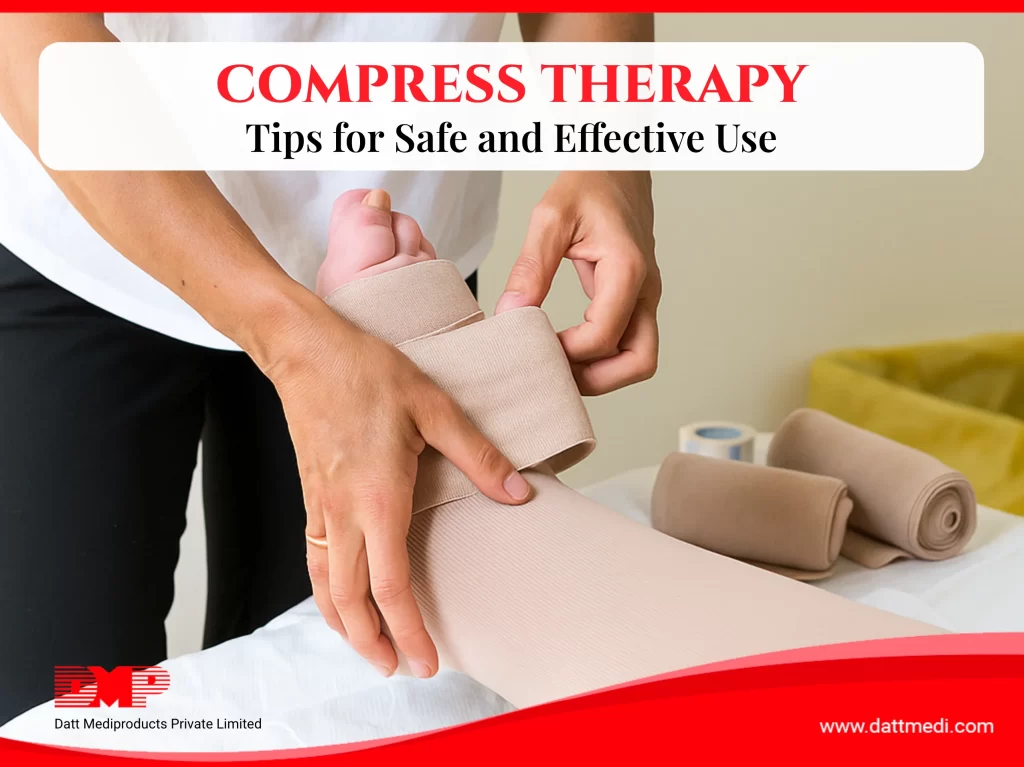
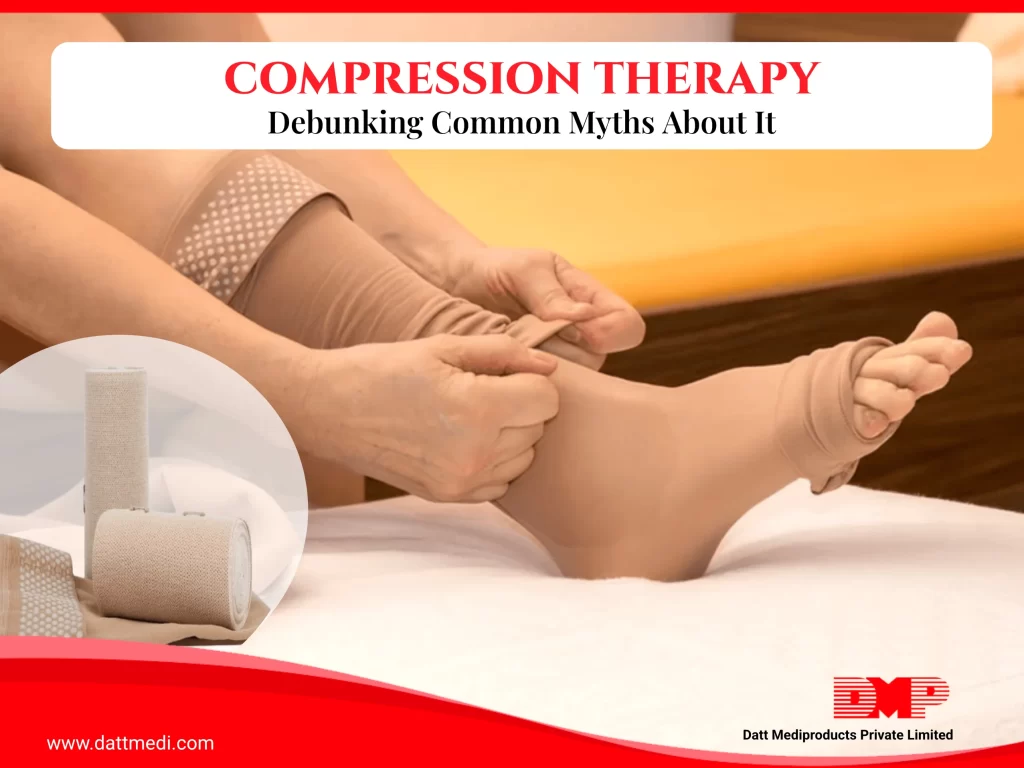
Compression therapy applied to the lower limb to support wound healing

Wound healing is often slowed when the body cannot efficiently move blood and excess fluid away from the affected area. This causes low blood flow which leads to reduced oxygen & nutrient supply, both are critical for cell repair. This is frequently seen in chronic venous ulcers, lymphedema, diabetic wounds, and post-surgical swelling.

Compression therapy is one of the most effective clinical methods to improve circulation, support healing, and enhance overall wound management.

By applying controlled and consistent pressure, compression therapy reduces fluid buildup, improves oxygen delivery, and creates a stable environment that promotes faster tissue repair.

What Is Compression Therapy? How It Works

Compression therapy uses medical tools such as compression bandages, garments, or dressings to apply even pressure to a limb or wound site. This helps to:

  • Redirect blood flow toward the heart
  • Reduce fluid accumulation under the skin
  • Improve oxygen supply to damaged tissues
  • Support formation of healthier new tissue
This controlled pressure creates a stable, balanced healing environment and reduces strain on surrounding skin.

Types of Compression Therapy

1. Elastic Compression Bandages

Widely used for venous ulcers and chronic wounds because they allow adjustable pressure and support daily wound care.
Related Product: Compression Bandages – Wound Care Range

2. Compression Garments

Ideal for long-term swelling, lymphedema care, and post-surgical recovery. They offer uniform pressure and help maintain inflammation control. Velcare® Varicose Vein Stockings– Compression Garments
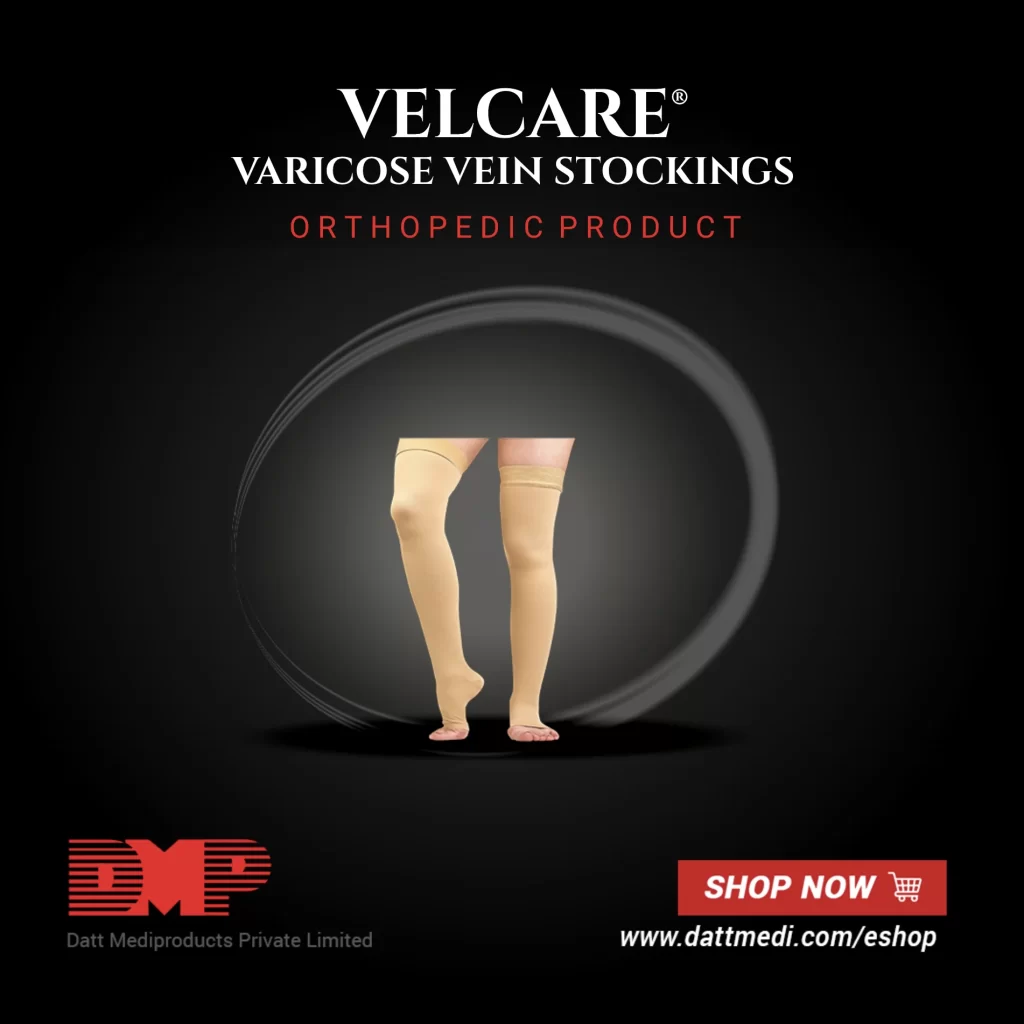
Know More About – Velcare® Varicose Vein Stockings- Compression Garments

3. Dressings With Built-In Mild Compression

Foam and hydrocolloid dressings provide gentle compression while maintaining moisture balance. Recommended options:

How Compression Therapy Supports Wound Healing

  1. Improved Blood Flow – Prevents blood pooling and delivers oxygen and nutrients for efficient tissue repair.
  2. Swelling Control (Edema Management) – Removes trapped fluid, reducing discomfort and creating a stable environment.
  3. Enhanced New Tissue Formation – Supports orderly tissue repair and faster wound closure.
  4. Reduced Risk of Raised Scars – Mild compression after surgery or burns helps prevent thick or raised scars.

When Compression Therapy Is Recommended

  • Chronic Venous Ulcers – Supports circulation and long-term healing.
  • Lymphedema Care – Manages fluid buildup, heaviness, and infection risk.
  • Post-Surgical Recovery – Controls inflammation, stabilizes the wound area, and supports smoother healing.
  • Diabetic Foot Ulcers – Can support healthy circulation under clinical guidance.
Top Misconceptions About Compression Therapy

Read more about Compression Therapy

Benefits of Compression Therapy

  • Faster wound healing through improved circulation
  • Reduced risk of recurrence, especially in venous ulcers
  • Lower pain and discomfort due to decreased swelling
  • Better mobility and overall patient comfort

How to Use Compression Therapy Safely

  1. Ensure Proper Fit – Pressure must match clinical needs; too little is ineffective, too much can cause skin damage.
  2. Monitor the Skin Regularly – Watch for numbness, tingling, coldness, or unusual pain.
  3. Increase Pressure Gradually – Start with lower compression levels and increase slowly under clinical supervision.

When Compression Therapy Should NOT Be Used:

Avoid compression unless recommended by a clinician if the patient has:

  • Poor arterial circulation
  • Active infection at wound site
  • Acute heart failure
  • Severe peripheral arterial disease (ABI)

Always consult a healthcare professional before beginning or modifying compression therapy.

Best Practices for Better Healing

Compression works best when combined with:

  • Gentle wound cleansing
  • Moisture-balancing dressings (foam, antimicrobial)
  • Adequate nutrition (protein, vitamins, minerals)
  • Regular assessments by wound-care specialists

Together, these steps create a complete, supportive healing environment.

Compression therapy is vital for accelerated wound healing, edema control, venous ulcer management, lymphedema care, and post-surgical recovery. When combined with appropriate dressings and monitored safely, it offers faster healing, improved patient comfort, and reduced risk of complications or recurrence.

Explore Professional Wound-Care Solutions – Wound Care Category
Visit www.dattmedi.com for more infomation.
Share:

Frequnently Asked Questions

Compression works well for venous ulcers, lymphedema-related swelling, post-surgical inflammation, and diabetic foot uncles under medical supervision. For added protection, compression can be paired with moisture-balancing options like Velfix® Foam Dressings, helping maintain an ideal healing environment while pressure reduces swelling.

Yes. Compression is often used alongside dressings that manage moisture, protect fragile skin, and support tissue repair.
Advanced solutions such as Velvert® Advanced Dressings or Velvert Disc® Antimicrobial Dressings complement compression by keeping the wound stable, clean, and optimally cushioned during healing.

Compression gently pushes fluid away from the affected limb, preventing buildup that slows healing and increases discomfort.
Using compression with protective layers like Velfix® Dressings ensures the wound stays shielded from external contamination while the swelling reduces.

Yes. After surgery, compression helps control inflammation, stabilizes the area, and reduces the risk of raised scarring.
When combined with soft-contact dressings such as Velsoft® Silicone Foam, it offers extra comfort and protection to sensitive post-operative skin.

It can, as long as the wound is covered with an appropriate dressing that manages moisture and prevents friction.
Dressings with gentle cushioning—like those from the Velsoft® or Velvert® range—help safeguard delicate skin while compression promotes circulation and tissue repair.

Recent Blogs
Wound Care for Cancer Patients

Cancer treatments, including chemotherapy, radiation, and surgery, are essential for combating the disease but often pose significant challenges to wound healing. Understanding these impacts and managing wounds effectively is crucial for patients, caregivers, and healthcare professionals. This blog provides insights and recommendations for effective wound care in cancer patients.

Impact of Cancer Treatments on Wound Healing:

Chemotherapy and radiation therapy, while targeting cancer cells, also damage healthy tissues especially rapidly dividing Keratinocytes along with Fibroblasts, Melanocytes, Endothelial cells & Immune cells, delaying wound healing. Surgery can result in complex wounds needing specialized care.

Common Wounds in Cancer Patients:

Cancer patients may have surgical wounds, radiation-induced skin reactions, and wounds from intravenous catheter sites. Advanced cancer patients may develop pressure ulcers due to immobility.

Managing Radiation-Induced Skin Reactions:

Radiation therapy can cause skin reactions from mild redness to severe ulceration. Management includes gentle skin care, prescribed topical treatments, avoiding sun exposure, and wearing loose clothing.

Chemotherapy and Wound Healing:

Chemotherapy reduces the immune response and interferes with cellular repair, impairing wound healing. Patients should be monitored for infection and delayed healing, with an emphasis on optimal nutrition and hydration.

Post-Surgical Wound Care:

Proper care involves keeping wounds clean and dry, changing dressings regularly, using sterile dressings and monitoring for any signs of infection. Adhering to healthcare provider instructions is essential.

Infection Prevention:

Strict hygiene practices, sterile wound care products, and prompt treatment of infection signs are crucial, as cancer patients often have compromised immune systems.

Tailoring Wound Care Products:

Sensitive skin due to cancer treatments requires hypoallergenic dressings, silicone-based products, and gentle adhesives to minimize irritation.

Nutritional Support:

A diet rich in protein, water, minerals, vitamins A and C, and zinc supports tissue repair and immune function. Collaboration with a dietitian ensures adequate nutrient intake as nutrition goals differ as per the cancer type, its stage and other medical conditions.

Pain Management:

Effective pain management in cancer patients includes a combination of medications such as analgesics, topical anesthetics, and non-pharmacological methods like relaxation techniques, gentle massage, acupuncture, cognitive therapy etc.

Psychological Support:

Emotional support, counselling, and mental health services help patients cope with cancer and its treatments, contributing to better wound healing.

Multidisciplinary Care Teams:

Collaboration among oncologists, wound care specialists, nurses, dietitians, and mental health professionals ensures comprehensive care tailored to patient’s needs.

Caregiver Recommendations:

Caregivers should maintain a clean environment, follow wound care protocols, ensure proper nutrition, provide emotional support, and recognize infection signs.

Effective wound care for cancer patients requires a holistic approach, addressing the unique challenges posed by cancer treatments. By understanding the impacts of these treatments on wound healing and implementing comprehensive care strategies, we can significantly improve patients’ quality of life and recovery outcomes. Through multidisciplinary collaboration, meticulous care, and robust support systems, we can navigate the complexities of wound care in cancer treatment and ensure optimal healing.

Seasonal Wound Care

Optimizing Wound Healing Across Seasons: Tips for Adaptive Care

As the seasons change, so do the challenges faced by those managing wounds. Whether you’re a healthcare professional or a wound care patient, understanding how weather conditions can impact wound healing is crucial for maintaining optimal recovery. Let’s explore the importance of seasonal wound care and how to adjust your routine for different weather conditions.

Importance of Seasonal Wound Care:

Wound healing is a complex process influenced by various factors, including temperature, humidity, and moisture levels. Different weather conditions can affect this process, potentially slowing down or complicating recovery.

Effects of Hot Weather on Wound Healing:

During the summer months, hot weather can increase perspiration, leading to moisture buildup around wounds. This excess moisture creates an ideal environment for bacterial growth, increasing the risk of infections. To combat this, it’s essential to keep wounds clean and dry, regularly changing dressings to prevent maceration.

Adjusting Wound Care Routine for Summer:

In hot weather, it’s crucial to opt for breathable dressings that allow airflow to the wound while absorbing excess moisture. Consider using moisture-wicking fabrics to minimize sweat buildup and prevent skin irritation.

Managing Increased Perspiration:

To manage increased perspiration, gently cleanse the area around the wound with a mild soap and water solution. Pat the skin dry thoroughly before applying a new dressing. Avoid using harsh antiseptic solutions, as they can irritate the skin and delay healing.

Preventing Infections from Heat and Humidity:

To prevent infections in hot and humid conditions, keep the wound site clean and protected. Change dressings more frequently if necessary, and monitor for signs of infection, such as redness, swelling, or increased pain.

Effects of Cold Weather on Wound Healing:

In colder climates, dry air and low temperatures can lead to skin dryness and cracking, posing challenges for wound care. Protecting the wound from exposure to cold air and keeping the surrounding skin moisturized are essential for promoting healing.

Protecting Wounds from Dryness and Cracking:

During the winter months, use emollient-rich moisturizers to keep the skin hydrated and prevent dryness and cracking. Choose dressings that provide a barrier against cold air while maintaining moisture balance.

Tips for Wound Care During Rainy Seasons:

In rainy seasons, preventing wound maceration is key. Ensure that dressings are waterproof and change them promptly if they become wet. Keep the wound site clean and dry to minimize the risk of infection.

Adapting Wound Care Products to Seasonal Changes:

Consider using specialized wound care products designed for specific weather conditions. Look for options that offer moisture control, antimicrobial properties, and protection against environmental factors.

By understanding the impact of seasonal changes on wound healing and adjusting your care routine accordingly, you can promote optimal recovery and minimize complications. Stay proactive, stay informed, and prioritize your wound care, regardless of the weather.

Logo

Datt Mediproducts Private Limited

Loading