Search by Blog
Read by Category

Your healing journey continues beyond this blog

Find the right products for better recovery at online store
Cart Image
Advanced Wound Dressings

The Role of Advanced Wound Dressings in Accelerating Recovery for Complex Wounds

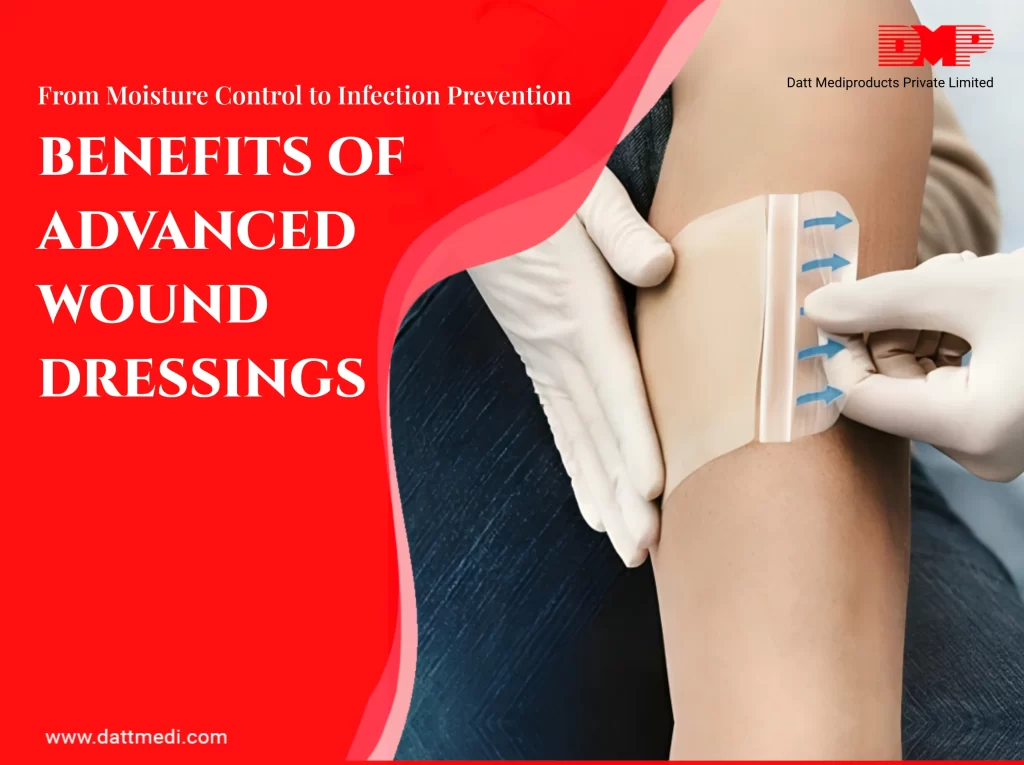
Traditional wound dressings were once viewed as simple barriers to shield an injury from external contaminants. Today, advanced wound dressings are revolutionizing wound care. They are active healing tools—designed not only to protect but also to accelerate recovery, reduce complications, and enhance patient comfort. 


By responding to the needs of each wound, they support faster, more effective healing compared to conventional methods.

Beyond Basic Dressings: Creating a Bioactive Healing Environment

Unlike basic gauze pads, some advanced dressings provide a controlled, bioactive environment that stimulates wound repair. By incorporating various bioactive molecules such as antimicrobials. They:

  • Maintain optimal moisture balance.
  • Promote the healing process
  • Regulate oxygen exchange.
  • Some dressings offer antimicrobial protection when needed.
This environment allows cells to regenerate more efficiently, reduces infection risk, and shortens healing time.

Why Advanced Wound Dressings Are Essential for Complex & Chronic Wounds

Complex wounds such as diabetic ulcers, burns, and pressure sores often fail to heal with standard dressings. Advanced wound care solutions are essential because they:

  • Restart stalled healing by balancing moisture and oxygen.
  • Manage high exudate levels through superior absorption.
  • Lower infection risks with antimicrobial properties.
These features make them indispensable for patients facing prolonged recovery.


Key Benefits of Advanced Wound Dressings

Using advanced dressings offers multiple clinical and patient-centered advantages:

  • Moisture regulation – prevents drying and maceration.
  • Reduced pain – cushioning and non-stick materials minimize discomfort during changes.
  • Better comfort – lightweight, breathable materials allow mobility.
  • Faster wound closure – optimized healing conditions accelerate recovery.

When to Choose Advanced Wound Dressings

Healthcare professionals should consider advanced dressings when:

  • Healing has been delayed or stalled.
  • The wound produces excessive drainage or exudate.
  • There is a high risk of infection.
  • Surgical incisions require enhanced healing protection.
In these cases, basic dressings often fail or take too long to heal the wound, while advanced dressings deliver targeted support.

Wounds That Benefit Most from Advanced Dressings

Certain conditions see the greatest benefit from these solutions:

  • Diabetic ulcers – require moisture retention and infection control.
  • Pressure sores (bedsores) – need pressure relief and high absorption.
  • Surgical wounds – advanced dressings reduce infection risk and improve scarring.
  • Burn injuries – delicate tissue heals faster with protective, moist dressings.

How to Choose the Right Advanced Wound Dressing

Selecting the correct dressing depends on the wound’s characteristics:

  • Moist wounds → use absorbent foam or alginate dressings.
  • Dry wounds → apply hydrogel dressings for hydration.
  • Infected wounds → use antimicrobial dressings.
  • Deep wounds → choose layered or cavity-fill dressings such as negative pressure therapy.
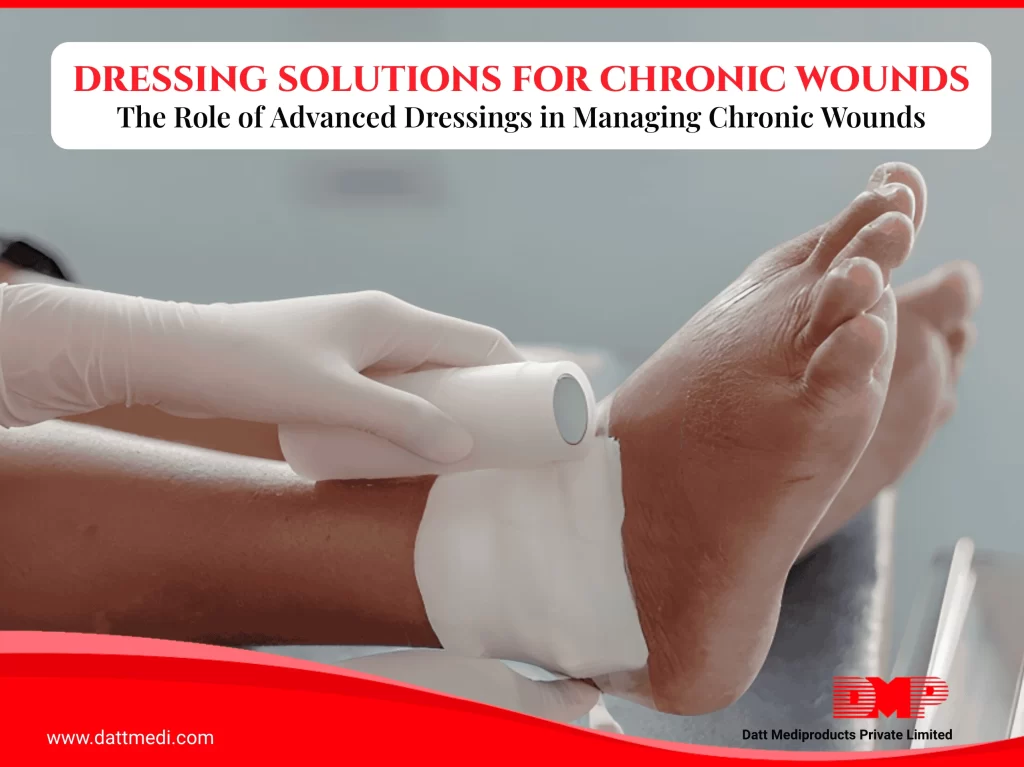
Matching dressing type to wound condition ensures maximum healing efficiency.

Visit www.dattmedi.com for more infomation.
Share:

Frequnently Asked Questions

Traditional dressings mainly protect wounds, while advanced wound dressings actively promote healing. They control moisture, prevent infection, and support faster tissue regeneration — helping wounds heal more efficiently and with fewer complications.

Not all wounds require advanced dressings. These products are ideal for chronic or complex wounds such as diabetic ulcers, burns, surgical incisions, and pressure sores. For smaller or superficial wounds, standard wound care products like non-woven dressings or conforming bandages are typically sufficient.

Advanced dressings maintain a balanced moisture level, deliver antimicrobial protection, and improve oxygen exchange. This environment supports cell growth and accelerates tissue repair — features found in products like Velvert® Antimicrobial Dressing and Velseal® Hemostatic Dressings.

Advanced wound dressings create an optimal healing environment by managing exudate, maintaining ideal moisture, and reducing infection risk. This helps new tissue form quickly and reduces complications.

Solutions such as VEL NeXT™Negative Pressure Wound Therapy are designed for complex or slow-healing wounds.

It’s advisable to switch to an advanced wound dressing when:

  • Healing has slowed or stopped.
  • There’s excessive wound drainage or risk of infection.
  • The wound is chronic, post-surgical, diabetic, or pressure-related.
  • The patient experiences pain or trauma during frequent dressing changes.

Products like Velvert® Secure or Velseal® Patch help provide protection, comfort, and faster recovery.

Recent Blogs
Advantages of Using Velfix®࿯ T+Pad for Post Surgical Wounds

In the field of post-surgical wound care, innovation plays a crucial role in ensuring optimal healing outcomes and patient comfort. Introducing Velfix® -T+Pad, a groundbreaking solution that redefines the standards of wound dressings. Meticulously designed and crafted, Velfix® -T+Pad stands at the forefront of advanced wound care technology, offering not only healing but also unparalleled comfort and convenience.

Waterproof and Bacterial Barrier Properties:

Among the essential features of wound dressings, waterproofing and bacterial barrier stand out. Velfix® -T+Pad not only meets these requirements but surpasses them. Its impermeable yet breathable film forms a protective shield against water and bacteria, safeguarding the wound from external threats and fostering a hygienic healing environment.

Benefits of Continuous Visual Monitoring: 

The advantage of transparent film dressings is the ability to visually monitor the wound without removing the dressing. This allows healthcare providers to detect early signs of infection: clinicians can quickly spot signs of infection, excessive drainage, or other complications, facilitating prompt intervention. It also aids in exudate management : ensuring that the wound exudate is being effectively absorbed and does not pose a risk to the healing process.

Conforming to Body Contours:

Comfort is paramount, especially in areas prone to movement or swelling. Velfix® -T+Pad addresses this need adeptly. Its flexible design seamlessly conforms to the body’s contours, providing a snug fit without compromising comfort. Whether it’s a joint, a curve, or a crease, Velfix® -T+Pad stays in place, ensuring uninterrupted healing.

Effective Evaporation of Moisture:

Moisture management is critical for wound healing, and Velfix® -T+Pad excels in this aspect. Thanks to its innovative adhesive pattern, it facilitates efficient moisture evaporation from the wound bed. This not only keeps the area dry but also prevents maceration, creating optimal conditions for healing.

Reducing Pain Upon Removal:

Dressing changes can be painful, but Velfix® -T+Pad aims to alleviate this discomfort. Featuring a non-adherent pad, it minimizes trauma upon removal, reducing pain and discomfort for the patient. With Velfix® -T+Pad, dressing changes become a smoother, more tolerable process, enhancing the overall patient experience.

In the realm of post-surgical wound care, excellence is imperative. With its innovative design and advanced technology, Velfix® -T+Pad sets a new standard for wound dressings, offering a comprehensive solution that prioritizes healing, comfort, and convenience. 

From its waterproof and bacterial barrier properties to its transparent film for easy monitoring, Velfix® -T+Pad epitomizes cutting-edge wound care. Trust in Velfix® -T+Pad to deliver not only healing but also peace of mind, ensuring a smoother, swiffer path to recovery for patients worldwide.

Wound Care Myths Debunked

Unveiling the Truth: Debunking Common Wound Care Myths

When it comes to wound care, there’s a lot of advice floating around. Some of it is helpful, while other bits are more myth than fact. Let’s clear up some common wound care myths and get to the truth behind them.

Myth 1: Wounds Need Sunlight to Heal

Fact: While sunshine is great for your mood, it’s not beneficial for healing wounds. In fact, direct sunlight can actually cause burns and damage the tissues that are trying to heal. So, to promote proper healing, keep wounds covered and out of direct sunlight.
Source : Cleveland Clinic

Myth 2: Wound Itching Means Healing

Fact: A bit of itching around a wound can be a sign that it’s healing, but it’s not always the case. Itching might also indicate an allergic reaction or infection. Monitor any itching along with other symptoms to ensure the healing process is on track.
Source : Advanced Tissue

Myth 3: Hydrogen Peroxide is the Best Cleaner for Wounds

Fact: Using hydrogen peroxide to clean wounds can actually slow down the healing process by damaging healthy cells. Instead, stick to gentle cleansing with mild soap and water to keep things clean without causing additional damage.
Source : University of Utah Healthcare & Atlantic Foot & Ankle Specialists

Myth 4: Keep Wounds Dry for Faster Healing

Fact: While it’s essential to keep wounds clean, keeping them too dry can actually slow down the healing process. Wounds heal better in a moist environment, so using dressings to maintain the right level of moisture can speed up recovery.
Source : LifeMD™

Understanding the Importance of Proper Wound Care

Wound care isn’t just about cleaning and covering a wound; it’s about understanding the underlying processes that help your body repair itself. Following evidence-based practices ensures that wounds heal properly and complications are minimized. Here’s why these practices are crucial:

  • Preventing Infections: Proper wound care minimizes the risk of infection, which can complicate healing and lead to more serious health issues.
  • Promoting Faster Healing: By maintaining a moist environment and protecting the wound, you accelerate the natural healing process.

When to Seek Professional Help

While minor cuts and scrapes can often be treated at home, certain situations warrant professional medical attention:

  • Deep or Large Wounds: Significant injuries that penetrate deep into the skin or are extensive in size require medical assessment.
  • Signs of Infection: Redness, swelling, increased pain, warmth around the wound, or pus are signs of infection that need medical intervention.
  • Delayed Healing: If a wound does not show signs of healing within a reasonable period, it’s important to consult a healthcare provider.

In a nutshell, taking care of wounds isn’t complicated, but it’s important to distinguish fact from fiction. By following evidence-based practices and seeking professional advice when needed, you can ensure your wounds heal properly and without unnecessary complications.

Logo

Datt Mediproducts Private Limited

Loading