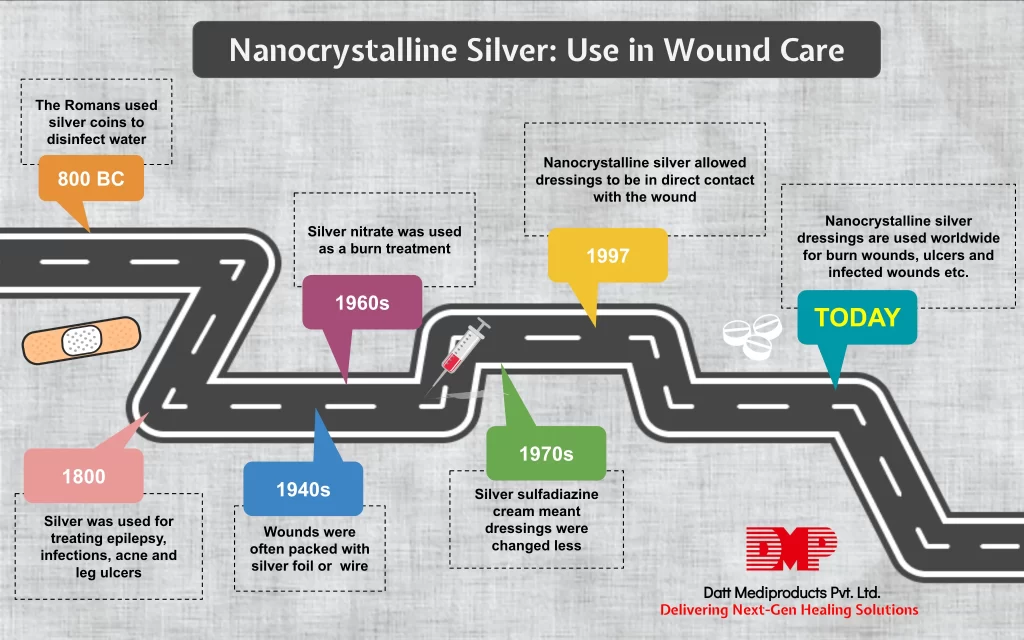
Silver has been used as an antimicrobial since the 1800s. But since the discovery of systemic antibiotics in the early 20th century, the use of silver had declined. In the last two decades, interest in silver for wound treatment has resurged. However, there are very few quantitative data available on the systemic absorption of silver and the associated clinical risk.
Let’s check out the latest product introduced, Nanocrystalline Silver and it’s applications in wound care.
What is Nanocrystalline Silver? Nanomaterials are often unique, differing in physical, chemical and biological ways from their macro counterparts. In the case of silver, the smaller the particle the larger the surface area that is available for interaction, resulting in an increased bactericidal effect. Nanocrystalline Silver has been introduced to the wound care industry quite recently. It’s ability to reduce bacterial count/load, is thought to be due to its possible interaction with the plasma membrane and binding with cytoplasmic protein. The dressing has got amazing disinfecting properties and heals the wounds faster than any other available dressings. Usually, people who need fast recovery from their wounds should opt for these kinds of dressings.
What wounds can Nanocrystalline Silver dressings heal? They are known to heal any kind of burn wounds. It is also helpful for healing wounds that are chronic, infected wounds, bed sores, leg or pressure ulcers and skin grafting. As opposed to the common belief, it is non-toxic, and the silver released into the wound is controlled, so as not to cause any kind of irritation.
Nowadays, clinicians are increasing in the use of nanocrystalline silver dressings for wound management either for their antimicrobial or anti-inflammatory properties. We at Datt Mediproducts manufacture an international qualitynanocrystalline silver dressing that has various beneficial features such as:
It can provide a really strong barrier for microbes that last for as many as 5 days.
It maintains the perfect moist environment required by the wound to heal.
It is gamma sterilized and manufactured with high-quality control standards.
It is effective against various types of highly resistant bacteria such as VRE, MRSA, etc. For any kind of further information mail us with any questions digital.marketing@dattmedi.comand we will be happy to answer or you can visit our websitewww.dattmedi.com
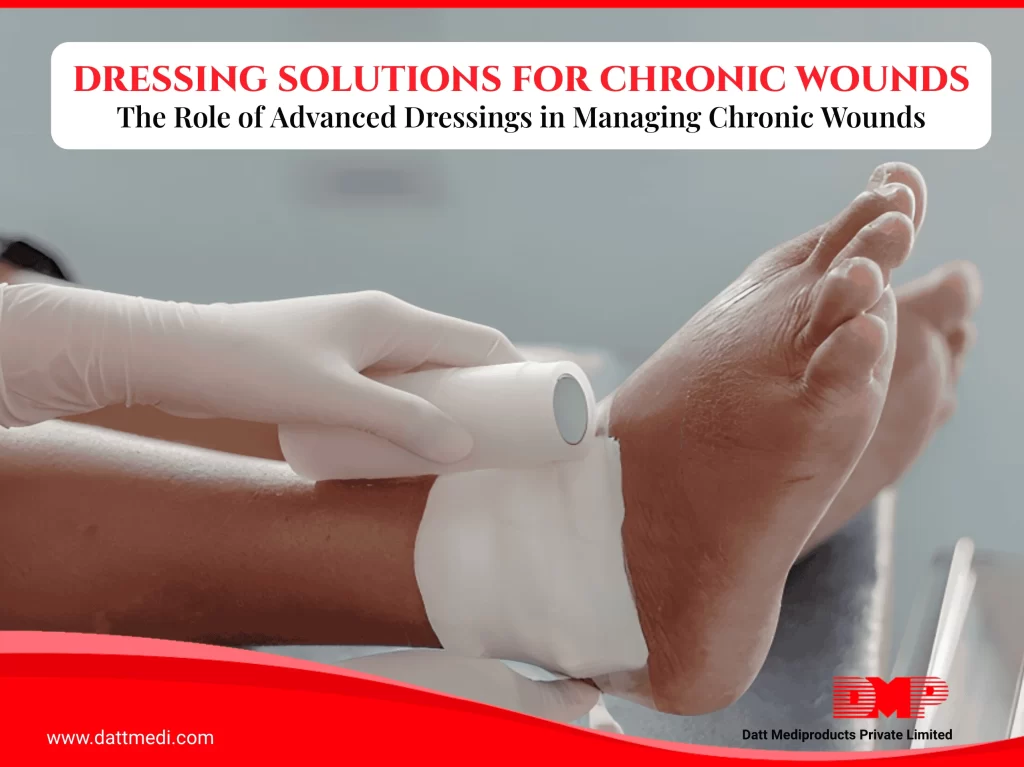
Chronic wounds, such as diabetic ulcers, pressure sores, and venous leg ulcers, present unique challenges in wound care management. These wounds often resist healing due to underlying conditions such as poor circulation, increased infection risks, prolonged or excessive inflammation, and other patient-specific factors.
Selecting appropriate dressings tailored to the needs of chronic wounds is essential to promote healing and prevent complications.
Chronic wounds develop due to systemic issues that delay natural healing. Common types include:
Diabetic Ulcers: These ulcers result from reduced blood flow and nerve damage, often occurring on the feet. Proper care involves maintaining a balance between moisture and dryness, ensuring the wound does not become too dry or overly moist.
Stat Spotlight

In India, diabetic foot ulcers account for approximately 20% of all diabetes‑related hospitalizations.  ~ Source
Pressure Sores: Caused by prolonged pressure on the skin, these wounds are common among bedridden or immobile patients. Managing pressure and ensuring the wound stays clean and protected are vital.
Stat Spotlight

In India, point‑prevalence studies report that approximately 5% of hospitalized patients have pressure ulcers, underscoring the importance of preventive care.  ~Source
Venous Leg Ulcers: These ulcers result from chronic venous insufficiency, in which impaired venous return causes fluid to accumulate in the lower legs, increasing tissue pressure and leading to skin breakdown. Effective management typically centers on graduated compression therapy to improve circulation, alongside advanced dressings to control exudate, leg elevation, and skin care to protect the periwound area.
Managing these wounds involves addressing infection risks, ensuring patient comfort, and promoting effective healing using evidence-based dressing solutions. Selecting the appropriate dressing depends on the type of wound, its condition, and the specific challenges it presents.
Below are some general guidelines:
Diabetic Ulcers
Dressings should maintain moisture balance and provide effective infection control. Non-adhesive dressings are preferred to minimize skin damage during dressing changes. Velvert®, with its strong antimicrobial properties and excellent moisture management, is ideal for diabetic ulcers and wounds at high risk of infection.
Pressure Sores
These wounds require dressings that redistribute pressure and effectively manage exudate to prevent further tissue damage and support healing. Velfix®-S offers both cushioning and absorption, making it a reliable choice for pressure sores and wounds requiring enhanced comfort and protection.
Venous Leg Ulcers
Advanced dressings used in combination with compression therapy are essential for managing exudate and improving circulation. Velfour®, with its high absorption capacity, is well-suited for heavily exuding wounds, including venous leg ulcers.
Infected Wounds
Antimicrobial dressings are effective in managing bacterial growth and reducing the risk of complications. Silvel™ with its strong silver based antimicrobial action and Velvert™ with their strong silver-based antimicrobial action, are suitable for infected or high-risk wounds such as second-degree burns, necrotizing fasciitis, and traumatic wounds.
Here are some types of advanced dressings that address specific wound care needs:
Antimicrobial Dressings
Designed to manage infection risks, these dressings often contain agents like silver to inhibit bacterial growth. Silvel™ and Velvert™ are widely used for diabetic ulcers and pressure sores prone to infection, owing to their strong antimicrobial properties.
Foam Dressings
Highly absorbent, these dressings are ideal for wounds with significant exudate, such as venous leg ulcers. They also offer cushioning to enhance patient comfort. Velsap™ and Velfix®-S are designed for moderate to heavily exuding wounds, ensuring effective fluid management and reduced dressing change frequency.
Multi-Layer Dressings
These dressings provide both absorption and protection, making them effective for managing pressure sores and heavily exuding wounds. Velfour® is an excellent example, offering essential support for such wound types.
Real-Life Example

A 60-year-old diabetic patient in India developed a non-healing foot ulcer. Initially, traditional gauze dressings were used, leading to frequent infections. After switching to Velvert™ antimicrobial dressing, the wound showed significant improvement within four weeks, with reduced exudate and no further infections. This case highlights the importance of selecting the right dressing for chronic wounds.
Practical Tips for Managing Chronic Wounds
Effective wound care goes beyond dressing selection. Here are additional strategies to optimize healing:
Proper Cleaning and Debridement: Regularly cleaning the wound and removing dead tissue helps create an optimal environment for healing.
Adjunctive Therapies: Techniques like compression therapy for venous ulcers and offloading for diabetic foot ulcers can significantly improve outcomes.
Regular Monitoring: Chronic wounds require consistent evaluation to identify changes in size, depth, or signs of infection, allowing timely adjustments in care.
Consulting Professionals: Work with healthcare providers to ensure the care plan addresses the wound’s unique needs and aligns with the patient’s overall health condition.
Selecting the right dressing for chronic wounds can significantly improve healing outcomes and enhance patient comfort. By understanding wound characteristics and tailoring treatments accordingly, healthcare professionals can address even the most challenging cases effectively.
Healing on the Go: Orthopedic and Wound Care Solutions for Physical Activity
Recovery doesn’t mean slowing down. Staying active while recovering from an injury or managing a wound doesn’t have to be an impossible task. With the right products and strategies, you can keep moving while ensuring that your recovery stays on track.
Whether you’re returning to your workout routine after surgery, dealing with an orthopedic injury, or healing a wound, we’ve got you covered. Let’s dive into how you can integrate orthopedic and wound care products into your active lifestyle to keep you on the move and in the game.
The hidden risks of being active during recovery
Exercise helps circulation and mental health, but certain movements can disrupt healing. For wounds, bending, twisting, or sweating can weaken dressings and delay recovery.
EXAMPLE

Imagine a wound that’s healing well, but every time you move, the bandage loosens or moisture from sweat causes irritation. That can delay healing, reopen a wound, or even introduce bacteria. Similarly, orthopedic injuries like fractures or sprains require careful management to avoid strain that hinders healing.
The first rule of staying active during recovery?
Keep wounds protected during physical activity. The right products will shield your injury from friction, dirt, and moisture while allowing the skin to breathe. Opt for dressings that stay secure, comfortable, and irritation-free.
Our top products for Active Healing
When it comes to active recovery, we understand that you need products that work with you, not against you. That’s why we recommend products designed for ultimate support and flexibility.
Velpore™, Pressure-Sensitive Adhesive Tape: Hypoallergenic and breathable, it keeps dressings in place during physical activity without skin irritation.
Velfix® –T+Pad, Waterproof Dressing: Ideal for post-surgical recovery, this waterproof dressing provides a bacterial barrier while you stay active.
Velfix® -T Film, Transparent Dressing: Clear, waterproof, and flexible, it offers protection while maintaining full range of motion.
When dealing with an orthopedic injury, immobilization is essential—but that doesn’t mean you have to sit on the sidelines. Whether it’s a sprain, strain, or fracture, finding the right orthopedic product can help ensure that your recovery stays on track, even as you navigate through your day-to-day activities.
Hygiene: Clean up after movement
Excess sweat and dirt can compromise wound care. Velfix® -T+Pad helps manage moisture and ensures easy post-workout cleaning, preventing infection while maintaining healing.
While staying active is crucial, some exercises may be more beneficial than others during recovery. Low-impact activities like walking, swimming, or cycling can promote healing without overstraining your injury.
Recognize when to pause
Pay attention to swelling, redness, or increased pain after activity. If these occur, rest and assess—early intervention ensures faster recovery.
Holistic Healing: Rest & Nutrition
Healing requires proper rest and nutrition. A balanced diet, hydration, and enough sleep support tissue repair and overall recovery. Include vitamins, protein, and antioxidants to aid healing. Stay active and heal efficiently by using the right wound care and orthopedic products. With proper protection, hygiene, and mindful activity, your recovery journey can stay on track.