

Search by Blog
Read by Category

Your healing journey continues beyond this blog

Find the right products for better recovery at online store
Cart Image

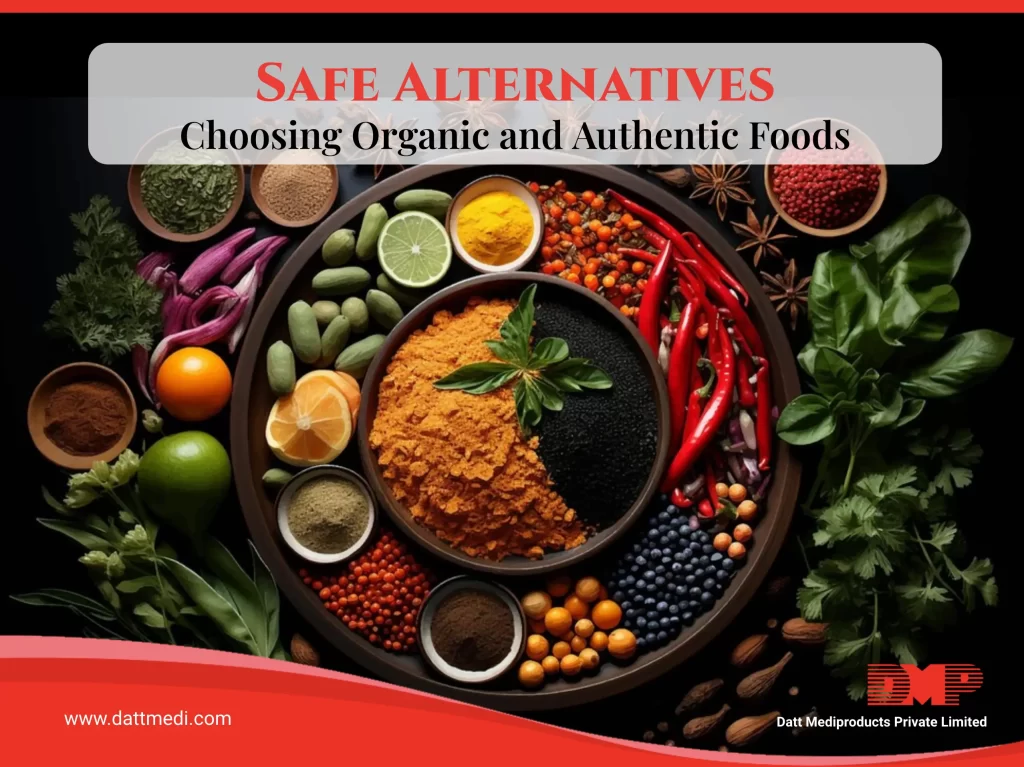
Safe Alternatives: Choosing Organic and Authentic Foods

In a world in which food selections are abundant, the importance of selecting safe and real options can’t be overstated. The growing concerns about meal adulteration have sparked international communication about the capability risks to our fitness.

In today’s blog post, we’ll explore the significance of opting for wholesome, authentic meals. We’ll shed light on both the nutritional benefits and potential risks associated with conventional food choices.

Opting for informed alternatives about the food we consume is crucial for maintaining overall well-being. Safe and authentic meals are not just a preference; they’re a necessity. The quality of our diet directly impacts our health, and recognizing the importance of this connection empowers individuals to make conscious choices.

The increasing occurrence of food adulteration poses severe risks to public fitness. Adulterants in food can range from harmful chemicals to contaminants, posing ability threats inclusive of allergies, toxicity, and long-term fitness issues. It is critical for consumers to be privy to these risks and take proactive measures to protect their fitness.

Nutritional Benefits of Organic Produce:

Organic foods, cultivated without synthetic pesticides and fertilizers, often boast higher nutritional value. These nutrient-wealthy alternatives make contributions to better universal health, helping the body with crucial nutrients and minerals. Selecting organic produce goes beyond mere dietary choices; it signifies a commitment to personal wellness and a proactive investment in long-term health.

While organic produce often receives attention for its nutritional advantages, it’s important to recognize that conventionally grown foods can also contribute essential nutrients to our diets. Conventional farming methods, while involving the use of synthetic pesticides and fertilizers, still yield fruits and vegetables rich in vitamins, minerals, and other beneficial compounds. For many consumers, conventional options may offer affordability and accessibility without compromising on nutritional value. Incorporating a variety of fresh fruits and vegetables, whether organic or conventionally grown, into our diets can provide a diverse array of nutrients necessary for optimal health and well-being.

Risks of Food Fraud and Health Hazards:

Food fraud is a pervasive global issue that undermines the reliability of the food supply chain. From mislabeling to dilution with inferior substances, fraudulent practices can result in various negative health impacts, including allergic reactions, digestive problems, and even long-term illnesses. Consumers must remain vigilant and informed to protect themselves from the potential consequences of consuming adulterated foods.

Common Adulterants in Conventional Foods:

Understanding the common adulterants found in conventional foods is key to making informed decisions. From artificial preservatives to pesticide residues, being aware of these additives allows consumers to scrutinize product labels and opt for alternatives that prioritize health and authenticity.

Choosing organic and authentic foods offers a wealth of health advantages, particularly in terms of beneficial nutrients such as antioxidants and vitamins. Organic produce tends to contain higher levels of antioxidants, which are crucial for combating oxidative stress and reducing the risk of chronic diseases like heart disease and cancer. These antioxidants include vitamins C and E, as well as phytonutrients like flavonoids and polyphenols, which play key roles in supporting overall health.

Additionally, organic fruits and vegetables are often richer in vitamins compared to conventionally grown counterparts. For instance, studies have shown that organic produce can have higher levels of vitamin C, which is essential for immune function, collagen production, and wound healing. Similarly, organic sources of vitamin E, an important antioxidant, can help protect cells from damage caused by free radicals and support skin health.

Embarking on the path to optimal health begins with the mindful choices we make regarding the food we consume. Opting for safe and authentic options, such as organic produce, not only enhances individual well-being but also plays a role in fostering a healthier and more sustainable food system.

Let’s prioritize our health and the well-being of the environment by making informed decisions about the food on our plates.

Visit www.dattmedi.com for more infomation.
Share:
Recent Blogs
Common Wound Care Issues

Advanced Wound Care for the Elderly: Addressing Unique Challenges and Solutions

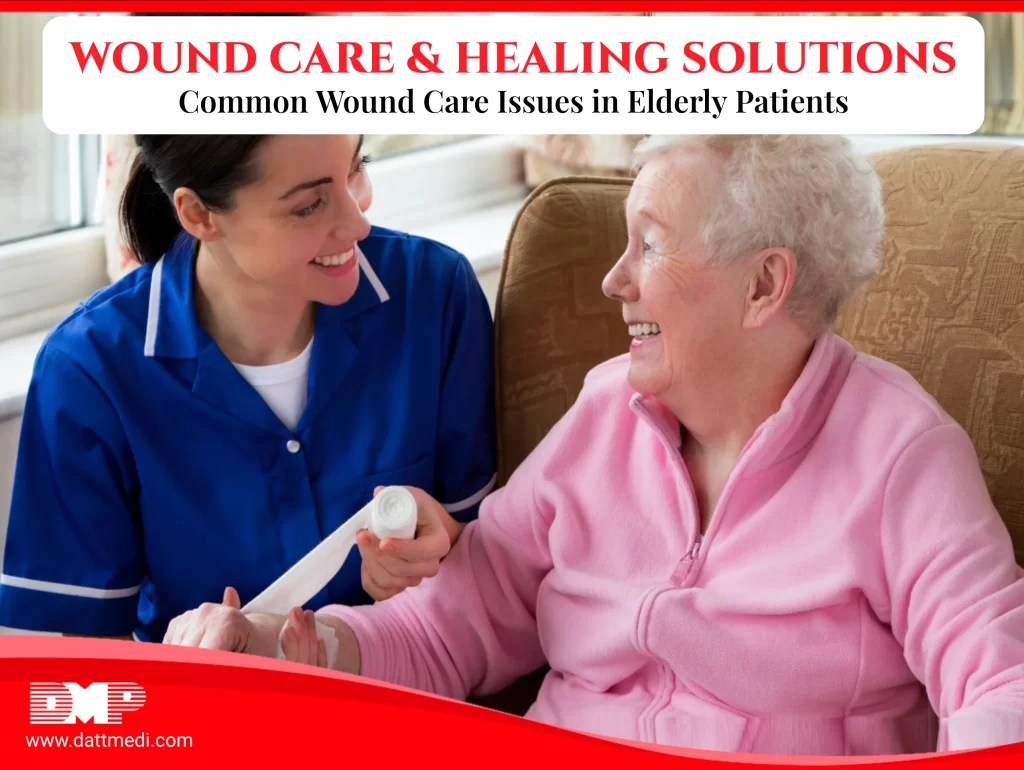
World Health Day reminds us of the importance of addressing health concerns across all age groups, particularly for the elderly. As people age, they often face unique challenges, including skin fragility and reduced mobility, which make wound care a crucial aspect of their health management. Advanced wound care tailored to elderly needs ensures better healing outcomes and improved quality of life.

Common Wound Issues in Elderly Patients

Skin Fragility & Chronic Wounds

Aging skin becomes thinner, less elastic, and more prone to damage. Studies indicate that skin tears affect up to 20-25% of elderly patients in long-term care facilities globally, highlighting the need for specialized wound management.  Source

Elderly individuals are particularly susceptible to:

  • Tears: Even minor trauma can cause significant skin injuries.
  • Pressure Sores: Prolonged immobility leads to pressure ulcers, especially in bedridden patients. A study in India reported that pressure ulcers affect nearly 8.3% of hospitalized elderly patients. Source
  • Diabetic Ulcers: Poor circulation and nerve damage increase the risk of chronic wounds, with diabetic foot ulcers affecting nearly 25% of diabetes patients in India at some point in their lives. Source
Limited Mobility & Circulation

Reduced physical activity affects blood flow, leading to slower wound healing. A study published in the Indian Journal of Plastic Surgery found that elderly patients with limited mobility take 30-50% longer to heal from wounds. Mobility limitations can also make it challenging to provide adequate care, increasing the risk of infections and complications.  Source

Specialized Dressings for Effective Care

1. Moisture-Retentive and Antimicrobial Dressings

These dressings maintain an optimal healing environment while preventing infections. Products like Velvert® Secure provide antimicrobial protection and promote faster recovery.

2. Non-Adhesive & Waterproof Options

Delicate aging skin requires gentle care. Non-adhesive dressings minimize trauma during changes, while waterproof options allow patients to maintain daily hygiene without compromising wound protection.

Orthopedic Support Products for Recovery

1. Compression Bandages/Stockings

For conditions like venous leg ulcers or swelling, compression products improve circulation and reduce edema, facilitating better healing.

2. Support Braces & Pads

Braces and padding prevent pressure sores and provide stability, especially for patients with mobility challenges.

Tips for Caregivers in Elderly Wound Management

  • Daily Monitoring: Regularly inspect wounds for changes or signs of infection.
  • Hydration, Nutrition & Hygiene: Ensure patients stay hydrated, eat a balanced diet, and maintain clean skin to support healing.
  • Gentle Mobility: Encourage safe physical activity to improve circulation and prevent stiffness.
  • Collaborate with Professionals: Work closely with healthcare providers to develop and follow a tailored care plan.

Advanced wound care plays a vital role in elderly health and well-being. By addressing their unique challenges with specialized solutions and caregiver support, we can improve healing outcomes and enhance their quality of life.

In this World Health Month, let’s advocate for proactive care and ensure our elderly population receives the attention they deserve.

Managing Chronic Wounds

Choosing the Right Dressing for Chronic Wounds

Chronic wounds, such as diabetic ulcers, pressure sores, and venous leg ulcers, present unique challenges in wound care management. These wounds often resist healing due to underlying conditions such as poor circulation, increased infection risks, prolonged or excessive inflammation, and other patient-specific factors.

Selecting appropriate dressings tailored to the needs of chronic wounds is essential to promote healing and prevent complications.

Chronic wounds develop due to systemic issues that delay natural healing. Common types include:

  • Diabetic Ulcers: These ulcers result from reduced blood flow and nerve damage, often occurring on the feet. Proper care involves maintaining a balance between moisture and dryness, ensuring the wound does not become too dry or overly moist.
Stat Spotlight

In India, diabetic foot ulcers account for approximately 20% of all diabetes‑related hospitalizations. ~ Source
  • Pressure Sores: Caused by prolonged pressure on the skin, these wounds are common among bedridden or immobile patients. Managing pressure and ensuring the wound stays clean and protected are vital.
Stat Spotlight

In India, point‑prevalence studies report that approximately 5% of hospitalized patients have pressure ulcers, underscoring the importance of preventive care. ~Source
  • Venous Leg Ulcers: These ulcers result from chronic venous insufficiency, in which impaired venous return causes fluid to accumulate in the lower legs, increasing tissue pressure and leading to skin breakdown. Effective management typically centers on graduated compression therapy to improve circulation, alongside advanced dressings to control exudate, leg elevation, and skin care to protect the periwound area.

Managing these wounds involves addressing infection risks, ensuring patient comfort, and promoting effective healing using evidence-based dressing solutions. Selecting the appropriate dressing depends on the type of wound, its condition, and the specific challenges it presents.

Below are some general guidelines:

Diabetic Ulcers

Dressings should maintain moisture balance and provide effective infection control. Non-adhesive dressings are preferred to minimize skin damage during dressing changes. Velvert®, with its strong antimicrobial properties and excellent moisture management, is ideal for diabetic ulcers and wounds at high risk of infection.

Pressure Sores

These wounds require dressings that redistribute pressure and effectively manage exudate to prevent further tissue damage and support healing. Velfix®-S offers both cushioning and absorption, making it a reliable choice for pressure sores and wounds requiring enhanced comfort and protection.

Venous Leg Ulcers

Advanced dressings used in combination with compression therapy are essential for managing exudate and improving circulation. Velfour®, with its high absorption capacity, is well-suited for heavily exuding wounds, including venous leg ulcers.

Infected Wounds

Antimicrobial dressings are effective in managing bacterial growth and reducing the risk of complications. Silvel™ with its strong silver based antimicrobial action and Velvert™ with their strong silver-based antimicrobial action, are suitable for infected or high-risk wounds such as second-degree burns, necrotizing fasciitis, and traumatic wounds.

Here are some types of advanced dressings that address specific wound care needs:

Antimicrobial Dressings

Designed to manage infection risks, these dressings often contain agents like silver to inhibit bacterial growth. Silvel™ and Velvert™ are widely used for diabetic ulcers and pressure sores prone to infection, owing to their strong antimicrobial properties.

Foam Dressings

Highly absorbent, these dressings are ideal for wounds with significant exudate, such as venous leg ulcers. They also offer cushioning to enhance patient comfort. Velsap™ and Velfix®-S are designed for moderate to heavily exuding wounds, ensuring effective fluid management and reduced dressing change frequency.

Multi-Layer Dressings

These dressings provide both absorption and protection, making them effective for managing pressure sores and heavily exuding wounds. Velfour® is an excellent example, offering essential support for such wound types.

Real-Life Example

A 60-year-old diabetic patient in India developed a non-healing foot ulcer. Initially, traditional gauze dressings were used, leading to frequent infections. After switching to Velvert™ antimicrobial dressing, the wound showed significant improvement within four weeks, with reduced exudate and no further infections. This case highlights the importance of selecting the right dressing for chronic wounds.

Practical Tips for Managing Chronic Wounds

Effective wound care goes beyond dressing selection. Here are additional strategies to optimize healing:

  • Proper Cleaning and Debridement: Regularly cleaning the wound and removing dead tissue helps create an optimal environment for healing.
  • Adjunctive Therapies: Techniques like compression therapy for venous ulcers and offloading for diabetic foot ulcers can significantly improve outcomes.
  • Regular Monitoring: Chronic wounds require consistent evaluation to identify changes in size, depth, or signs of infection, allowing timely adjustments in care.
  • Consulting Professionals: Work with healthcare providers to ensure the care plan addresses the wound’s unique needs and aligns with the patient’s overall health condition.

Selecting the right dressing for chronic wounds can significantly improve healing outcomes and enhance patient comfort. By understanding wound characteristics and tailoring treatments accordingly, healthcare professionals can address even the most challenging cases effectively.

Logo

Datt Mediproducts Private Limited

Loading