
Search by Blog
Read by Category

Your healing journey continues beyond this blog

Find the right products for better recovery at online store
Cart Image
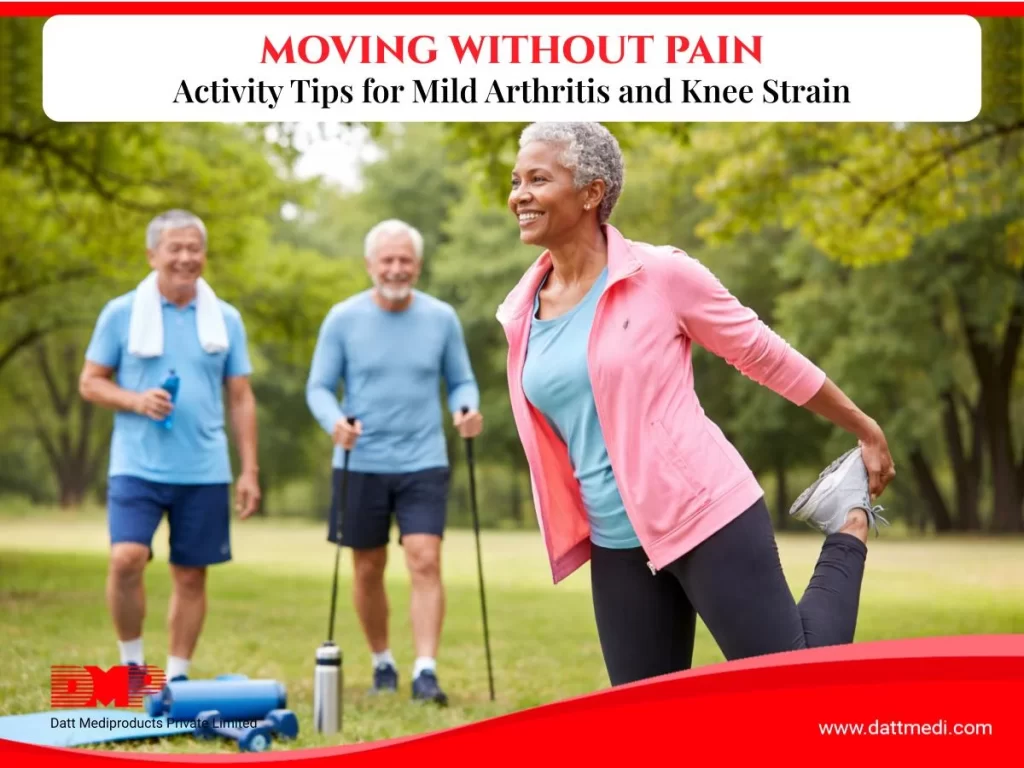
Gentle knee exercise for mild arthritis

Avoiding movement because of mild arthritis or knee strain usually backfires — it leads to more stiffness, not less. The safer path is choosing joint-friendly, low-impact activity and adding support where it genuinely helps.

Many people assume rest is always the right answer for joint pain. But joints depend on regular movement to stay flexible and well-lubricated. Inactivity tends to weaken the surrounding muscles, which puts more pressure on the joint itself — not less.

This blog breaks down what actually helps, what to avoid, and how to build a routine that keeps you moving safely.

Rest vs Movement: What Is Actually Different?

Both approaches feel intuitive when a joint hurts, but they lead to very different long-term outcomes. The key difference is what each one does to the muscles and tissue surrounding the knee over time.

FactorProlonged RestGentle, Regular Movement
Effect on stiffnessIncreases stiffness over timeReduces stiffness after periods of rest
Effect on muscle strengthWeakens supporting musclesStrengthens muscles that support the knee
Effect on joint lubricationReduces natural lubricationKeeps the joint lubricated
Effect on pressure through the jointIndirectly increases pressure (via weaker muscles)Reduces pressure by sharing load with stronger muscles
Prolonged rest may be appropriate during acute flare-ups or when recommended as part of clinician-directed recovery. For day-to-day management of mild arthritis or knee strain, gentle, regular movement is generally more suitable.

However, both approaches can have drawbacks when overdone. Too much rest can contribute to long-term mobility loss, and on the other hand  exercising at too high an intensity that the body is not ready for can aggravate pain.

Why Movement Matters for Joint Health

Gentle, regular movement keeps the joint lubricated, keeps the muscles around it strong, and actually reduces stiffness — the opposite of what many people expect.

Gentle, regular movement can help:

  • Improve joint flexibility
  •  Strengthen the muscles that support the knee 
  • Reduce stiffness after periods of rest 
  • Support overall mobility

Low-Impact Exercises That Are Easier on the Knees 

Which to Choose

Walking, swimming, and cycling are the three most commonly recommended options because they build strength and mobility without the sudden impact that aggravates joint pain.

ActivityImpact LevelBest ForKey Benefit
WalkingLowDaily movement, circulation, beginnersSimple, accessible, supports circulation without jarring the joint
Swimming / water aerobicsVery lowSignificant pain, higher body weight, flare-upsWater supports body weight, letting you move with far less strain
Cycling (stationary or smooth terrain)LowBuilding quadriceps and hamstring strengthControlled, repetitive motion strengthens muscles without impact

Walking
On flat, stable surfaces, walking is one of the simplest ways to stay active and supports circulation in the legs without jarring the joint. 

Swimming or water exercise
Water supports your body weight, so swimming and water aerobics let you move comfortably with far less strain on the knees than land-based exercise. 

Cycling
A stationary bike or smooth terrain lets you strengthen the muscles around the knee through controlled, repetitive motion, without impact.

Do Knee Supports Actually Help During Activity?

Yes, as an aid; not a replacement for strengthening. 
Knee sleeves and braces add mild compression and stability,
which can make movement feel safer and more comfortable, especially early on.

Supports may help by:

Providing mild compression around the joint Adding extra stability during movement Increasing confidence while walking or exercising. Options like Knee Cap® or Knee Cap Classic® offer light, breathable compression suited for daily activity.

However, knee supports should not become a long-term substitute for strengthening the muscles around the joint. Over-reliance on external supports may reduce how much the muscles have to work, which can contribute to weakness over time. As strength and stability improve, it may be appropriate to reduce or stop using the support, depending on individual needs and professional guidance.

Strengthening the Muscles Around the Knee

Stronger muscles around the knee take pressure off the joint itself. This is one of the most effective long-term ways to reduce strain, more so than rest alone.

After getting professional guidance, useful exercises often include:

  1. Gentle resistance exercises for the quadriceps Light hamstring strengthening Controlled stretching for flexibility
  2. If you’re recovering from an actual strain rather than general stiffness, the difference in approach matters.
  3. Related reading: Muscle Strains: Causes and Effective Recovery Strategies
  4. Arthritis specifically carries its own considerations for compression and activity level.

Lifestyle Habits That Support Joint Health

Body weight, footwear, and seating all affect how much daily pressure lands on your knees — small adjustments here reduce strain without any exercise involved.

Helpful adjustments:

  • Maintaining a healthy body weight
  • Wearing supportive footwear 
  • Choosing chairs with proper back and leg support
  • Pacing activity and taking breaks when needed
For added support during activity, compression bandages are sometimes used to manage strain, and tapes and adhesive supports can help with dressing security if there's any accompanying skin sensitivity or minor injury.

When to Scale Back and Check In With a Professional

  • Movement should feel manageable, not punishing. Some signals mean it’s time to pause and get guidance rather than push through.
  • Pain increases noticeably during or after activity 
  • Swelling develops or worsens 
  • Movement becomes noticeably more difficult than usual
  • The knee feels unstable or gives way

Physiotherapists can build a personalised activity plan that supports recovery without overloading the joint.

Staying Active Safely

Staying active with mild arthritis or knee strain isn’t about avoiding movement, it’s about choosing the right kind. Low-impact exercise, appropriate support, and a few lifestyle adjustments let most people keep moving comfortably while protecting long-term joint health.
Visit www.dattmedi.com for more infomation.
Share:

Frequnently Asked Questions

Yes. Gentle, low-impact exercise helps maintain joint mobility and strengthens the muscles that support the knee.

Walking, swimming, and cycling are commonly recommended, since they keep you moving while placing less stress on the joint.

Knee sleeves or braces can add mild stability and confidence during movement, especially for people with mild instability or discomfort — but they work best alongside strengthening exercise, not instead of it.

Yes. If pain or swelling increases noticeably during activity, rest and consult a healthcare professional before continuing.

Yes. Physiotherapists can design specific exercises and rehab plans to strengthen the muscles around the knee and improve joint function.

Recent Blogs
Understanding Arthritis

Understanding Arthritis: How Compression Sleeves and Joint Supports Provide Relief

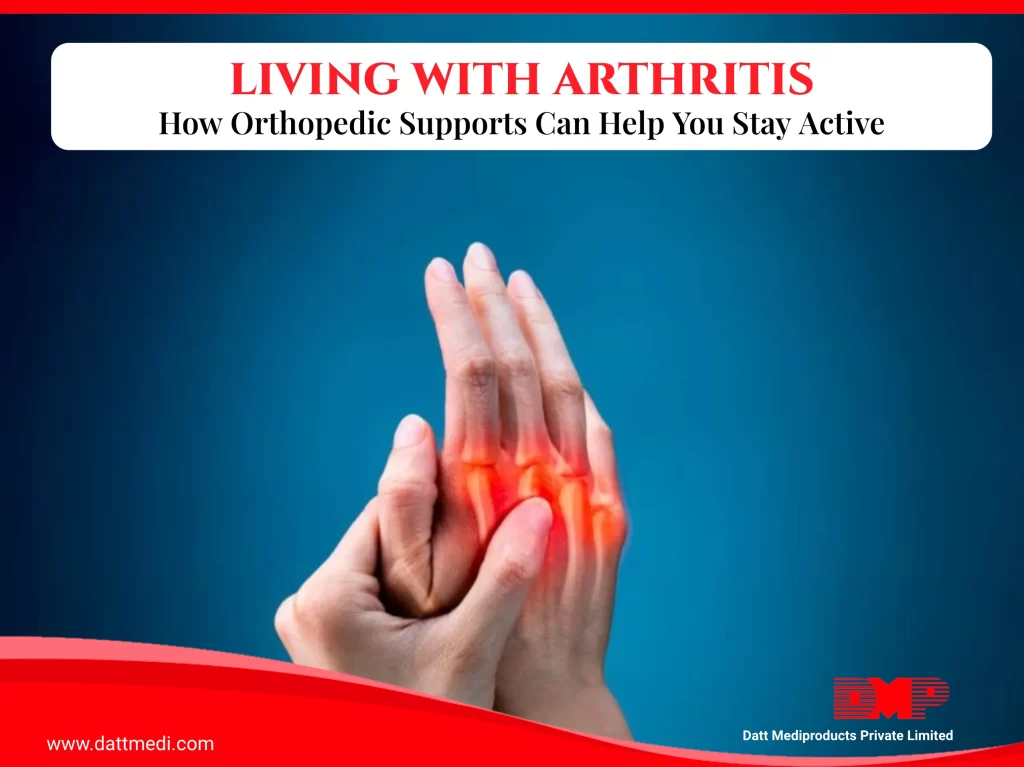
Arthritis is one of the most common chronic conditions affecting joints, with millions worldwide experiencing its impact daily. Characterized by joint pain, stiffness, and swelling, arthritis can significantly reduce mobility and quality of life.

While medical treatments and therapies are essential, patients often seek supportive solutions that offer daily relief and improve comfort.

Challenges Faced by Arthritis Patients

Living with arthritis is more than dealing with occasional discomfort—it involves:

  • Persistent joint pain and stiffness, limiting day-to-day movement.
  • Swelling and inflammation, which can worsen with activity.
  • Reduced grip and mobility, affecting simple tasks like walking, lifting, or writing.
  • Emotional impact, as long-term discomfort can lead to frustration, anxiety, and reduced independence.

These challenges highlight the importance of accessible, non-invasive support solutions.

How Orthopedic Support Products Help

Orthopedic aids like compression sleeves, joint supports, and braces are designed to complement medical management of arthritis. They provide:

  • Gentle compression, improving circulation and reducing swelling resulting in a quicker recovery.
  • Targeted support, stabilizing affected joints and limiting excessive strain.
  • Improved comfort, easing pressure during movement or rest.

By addressing both pain and mobility limitations, these products serve as practical companions in daily arthritis care.

Benefits of Using Orthopedic Supports for Arthritis

Patients using compression sleeves and joint supports may experience:

  • Pain reduction through controlled pressure and warmth.
  • Decreased inflammation by enhancing blood flow and minimizing fluid buildup and an enhanced lymphatic drainage to flush out toxins.
  • Better joint alignment and stabilization reducing the risk of further strain or injury allowing the muscles and joints to function effectively.
  • Enhanced confidence and mobility, allowing greater participation in daily activities.

Choosing the Right Product

Selecting the appropriate orthopedic support is essential for effectiveness:

  • Compression sleeves: Best for continuous wear, mild-to-moderate pain, and swelling reduction.
  • Knee or elbow supports: Ideal for stabilizing specific joints during activity and to redistribute your weight thereby reducing knee pain. 

  • Braces with adjustable straps: Suitable for patients requiring targeted support or customized pressure.
  • Medical consultation: Always recommended to ensure the chosen product meets the patient’s condition and needs.

To maximize benefits, orthopedic supports should be incorporated into everyday routines:

  • Wear during physical activity or prolonged standing to prevent flare-ups.
  • Combine with gentle exercises recommended by physiotherapists.
  • Use alongside healthy lifestyle practices, including weight management, balanced nutrition, and anti-inflammatory habits.
  • Regularly monitor product fit and condition to maintain comfort and effectiveness.

Arthritis may be a lifelong condition, but it does not have to define a patient’s independence or comfort. Orthopedic products like compression sleeves and joint supports provide accessible, non-invasive relief—helping reduce pain, control inflammation, and support mobility.

By choosing the right product and integrating it into daily life, patients can regain confidence, ease, and a better quality of life.

Why Muscle Strains Happen

Understanding Muscle Strains: Causes and Effective Recovery Strategies

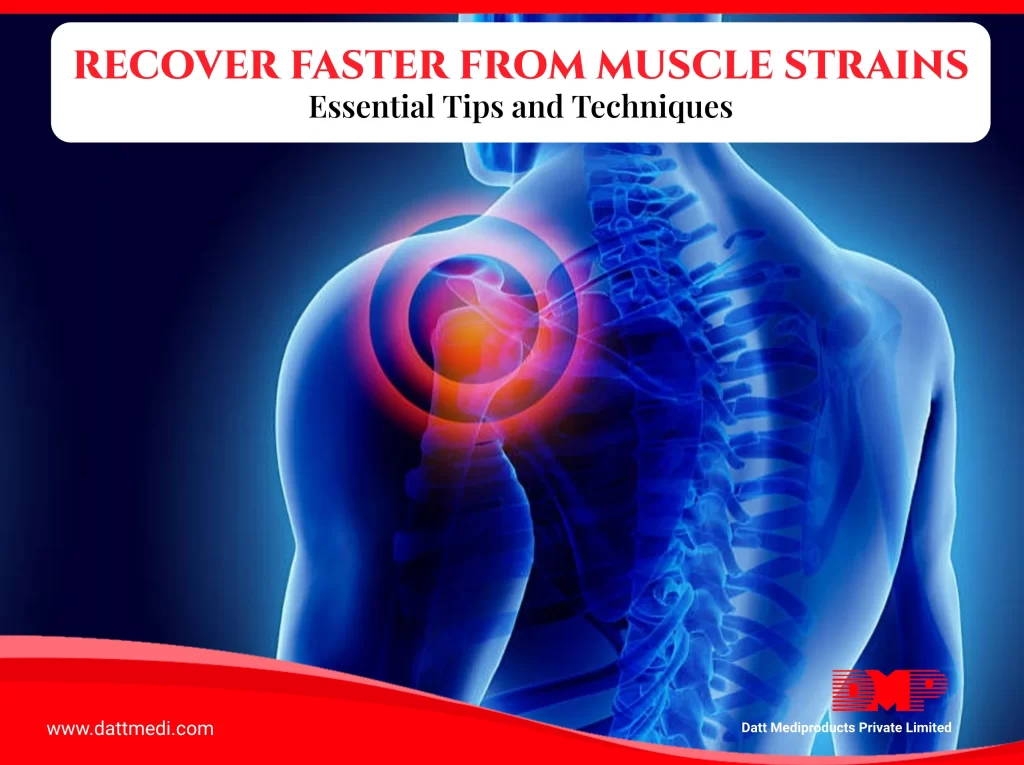
A muscle strain, or muscle pull, occurs when a muscle is overstretched or torn. This common injury can disrupt daily activities, causing pain and limiting mobility. Understanding the causes and effective recovery strategies can help you heal faster and prevent future injuries. Muscle strains typically happen when the muscle is pushed beyond its limit.

Key factors include:

  1. Overexertion: Intense activity without proper preparation.
  2. Sudden Movements: Abrupt actions, like twisting or jerking.
  3. Lack of Warm-up: Skipping stretching or warm-up exercises.
  4. Poor Posture or Repetitive Motion: These can strain muscles over time.

Recognizing the signs early helps with effective treatment:

  • Sharp or throbbing pain, especially during movement.
  • Inflammation in the affected area.
  • Difficulty moving the muscle fully.
  • Visible bruising from damaged blood vessels.

Start your recovery with these steps:

Rest: Avoid using the muscle until pain subsides.

Ice: Apply ice for 20 minutes every 2 hours to reduce swelling and numb the pain.

Compression: Use a compression bandage to stabilize the muscle and reduce swelling.

Elevation: Elevate the injured area to help reduce swelling.

Velcool®: Instant Cooling Relief

Cooling is one of the best ways to reduce inflammation post-activity. Cold therapy constricts blood vessels, decreases swelling, and slows inflammation. Velcool® offers a convenient and effective solution for reducing swelling and alleviating pain. Its long-lasting cooling effect ensures optimal comfort during the initial recovery phase.
Compression improves circulation and accelerates healing by reducing swelling. Our compression bandages provide targeted support to help the muscle heal more efficiently.

Cokomp™ : Reliable Compression Support

Once inflammation is controlled, compression is crucial for ongoing healing. Cokomp™ provides targeted support, ensuring consistent pressure that enhances circulation and accelerates the healing process. Its lightweight and durable material makes it a perfect choice for both acute care and ongoing recovery.

Once pain subsides:
Begin gentle stretches to restore flexibility.
Slowly incorporate exercises to rebuild muscle strength and prevent future injuries.
Don’t rush back into your normal routine.

Additional recovery tips:

  1. As healing progresses, physical therapy can restore range of motion.
  2. After 48 hours, apply heat to relax muscles and improve circulation.
  3. Stay hydrated and eat a balanced diet rich in protein and vitamins to support muscle repair.

When to consult a healthcare provider:

  1. Persistent pain despite rest.
  2. Inability to move the muscle.
  3. Severe swelling that doesn’t improve.

To reduce the risk of future strains:

  1. Always stretch before physical activity.
  2. Regular strength training can prevent strains.
  3. Ensure good form during exercise to avoid unnecessary strain.

By understanding muscle strains and following effective recovery strategies, you can heal faster and prevent re-injury. Our compression bandages are a key tool in your recovery, offering support and reducing swelling for quicker healing. Explore innovative solutions to support a healthier, more active season ahead.

Logo

Datt Mediproducts Private Limited

Loading
Buy Now Contact Us