
Search by Blog
Read by Category

Your healing journey continues beyond this blog

Find the right products for better recovery at online store
Cart Image
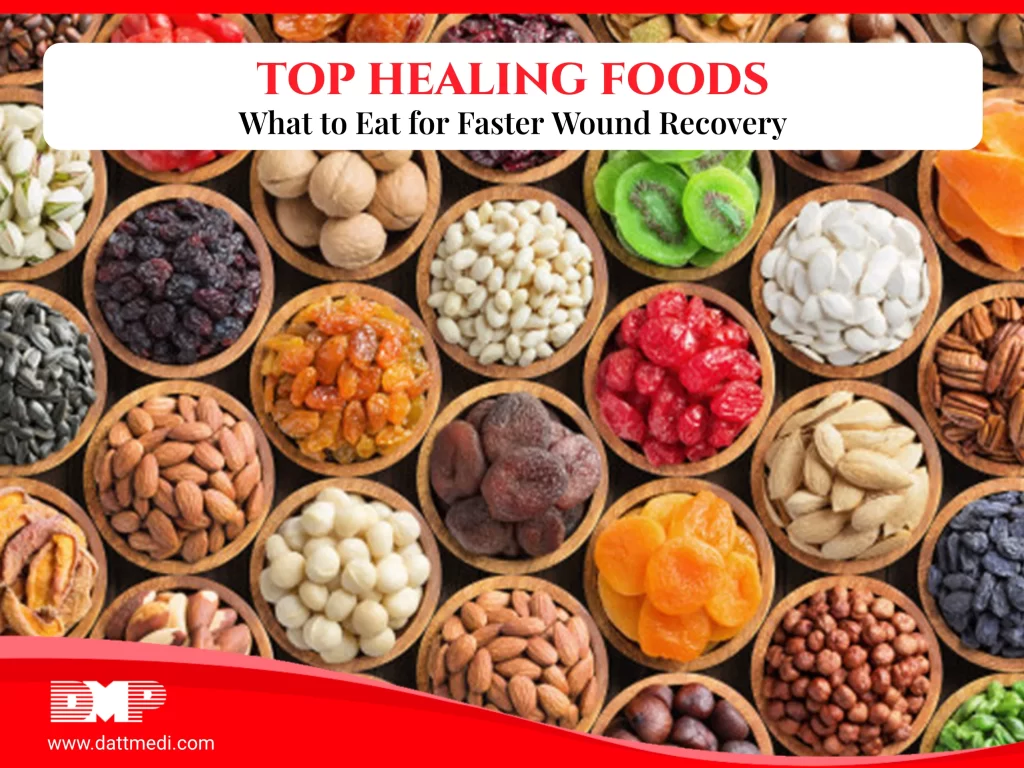
Top Foods for Wound Healing: Boost Your Recovery & Strength

Nutrition plays a central role in wound healing, often as important as medical care itself. When the body sustains an injury, foods for wound healing become essential as its demand for specific nutrients increases.

The right foods can help accelerate tissue repair, reduce inflammation, strengthen the immune system, and enhance overall recovery. This blog explores scientifically backed foods for wound healing that actively support faster and more effective recovery.

Phytonutrient Power for Tissue Repair

What they are:

Phytonutrients are bioactive compounds in plants, such as flavonoids and carotenoids.

Why they matter:

Wound sites often experience oxidative stress due to free radicals, which can delay healing. Phytonutrients neutralize these free radicals, creating a favorable environment for tissue regeneration.

 Food sources:

  • Berries (flavonoids): Blueberries, strawberries, and blackberries reduce oxidative stress.
  • Sweet potatoes & carrots (carotenoids): Support cell growth and boost skin barrier function.

Quick Tip: Including a cup of mixed berries in breakfast or roasted sweet potato as a side dish provides antioxidant protection during recovery.

Collagen-Activating Foods

What they are:

Nutrients that directly stimulate collagen synthesis.

Why they matter:

Collagen forms the structural framework of new tissue and strong scar formation.

Key nutrients & foods:

  • Vitamin C (bell peppers, citrus, kiwi): A co-factor in collagen production.
  • Copper (sunflower seeds, cashews, lentils): Supports the cross-linking of collagen fibers for durability.

Quick Tip: A salad of bell peppers, spinach, and sunflower seeds supplies both vitamin C and copper—maximizing collagen activation.

Gut Health and Healing Connection

What it is:

The gut microbiome plays a central role in nutrient absorption and immune regulation.

Why it matters:

Without a healthy gut, even the best diet cannot deliver full healing benefits. Probiotics strengthen the microbiome, enhance nutrient uptake, and improve immune defenses against infection.

Food sources:

Yogurt, kefir, kimchi, sauerkraut, miso.

Quick Tip: Consuming a serving of probiotic yogurt daily can improve nutrient bioavailability, indirectly accelerating wound recovery.

Anti-Inflammatory Spice Cabinet

What they are:

Natural spices with anti-inflammatory and antimicrobial properties.

Why they matter:

Chronic inflammation around a wound can slow tissue regeneration. Certain spices actively reduce inflammatory responses while fighting harmful microbes.

Food sources:

  • Turmeric (curcumin): Reduces pro-inflammatory cytokines.
  • Ginger: Enhances circulation and reduces swelling.
  • Garlic: Provides antimicrobial support against infections.

Quick Tip: Adding turmeric to curries, ginger to tea, and garlic to meals integrates these benefits naturally into daily cooking.

Zinc Synergy Foods

What it is:

Zinc is essential for cell division and repair, but its efficiency increases when paired with vitamin C.

Why it matters:

Zinc deficiency can delay wound closure. Pairing zinc with vitamin C optimizes collagen production and tissue healing.

Food sources & pairings:

  • Pumpkin seeds + oranges
  • Chickpeas + bell peppers
This nutrient synergy ensures better absorption and function.

Iron-Rich for Oxygen Delivery

What it is:

Iron is critical for hemoglobin formation.

Why it matters:

Adequate hemoglobin ensures oxygen supply to regenerating tissues, which is vital for energy production during healing.

Food sources:

  • Heme iron (easily absorbed): Red meat, chicken, fish.
  • Non-heme iron: Lentils, spinach, fortified cereals.

Quick Tip: Pairing spinach (iron) with tomatoes (vitamin C) improves absorption, ensuring more oxygen reaches healing tissues.

Hydration Beyond Water

What it is:

Cellular hydration requires more than water—electrolytes are equally vital.

Why it matters:

Dehydrated cells cannot repair efficiently. Electrolytes maintain fluid balance, nerve signaling, and nutrient transport.

Food sources:

  • Coconut water: Natural electrolytes.
  • Watermelon & cucumbers: High water content plus minerals.
  • Broths & soups: Provide both fluids and electrolytes.

Quick Tip: Including hydrating foods alongside water intake supports optimal tissue repair.

Building a Healing Plate

Recovery requires more than a single “superfood.” It’s about creating a balanced plate with antioxidant-rich phytonutrients, collagen -activating nutrients, probiotics, anti-inflammatory spices, zinc and iron synergy, and hydration strategies.

Together, these foods give your body the fuel it needs to rebuild stronger tissue, reduce complications, and support a faster recovery.

Take good care—and Happy Holidays! ❄️✨🎄
Visit www.dattmedi.com for more infomation.
Share:

Frequnently Asked Questions

Nutrients like vitamin C, zinc, protein, and iron are essential for tissue repair and collagen formation. Combining a nutrient-rich diet with moisture-balancing dressings such as Velvert® Advanced Dressings supports optimal wound recovery.

Protein provides the building blocks for new tissue formation. Including lean meats, lentils, and eggs in your diet, along with proper wound protection using Velfix® Antimicrobial Dressings, helps accelerate healing and strengthen recovery.

Yes. Anti-inflammatory foods like turmeric, ginger, and berries help reduce swelling and oxidative stress. Pairing these foods with antimicrobial dressings from our Advanced Wound Care Range can further protect the wound from infection and promote faster repair.

Zinc aids in collagen production, immune defense, and skin regeneration. Foods like pumpkin seeds, lentils, and chickpeas boost zinc levels, while products such as Velsoft® Silicone Foam Dressings provide external protection to complement internal healing.

Proper hydration ensures that nutrients and oxygen reach the wound site effectively. Along with fluids and electrolyte-rich foods, maintaining the right wound moisture balance through Hydrogel Dressings helps create an ideal environment for tissue repair.

Recent Blogs

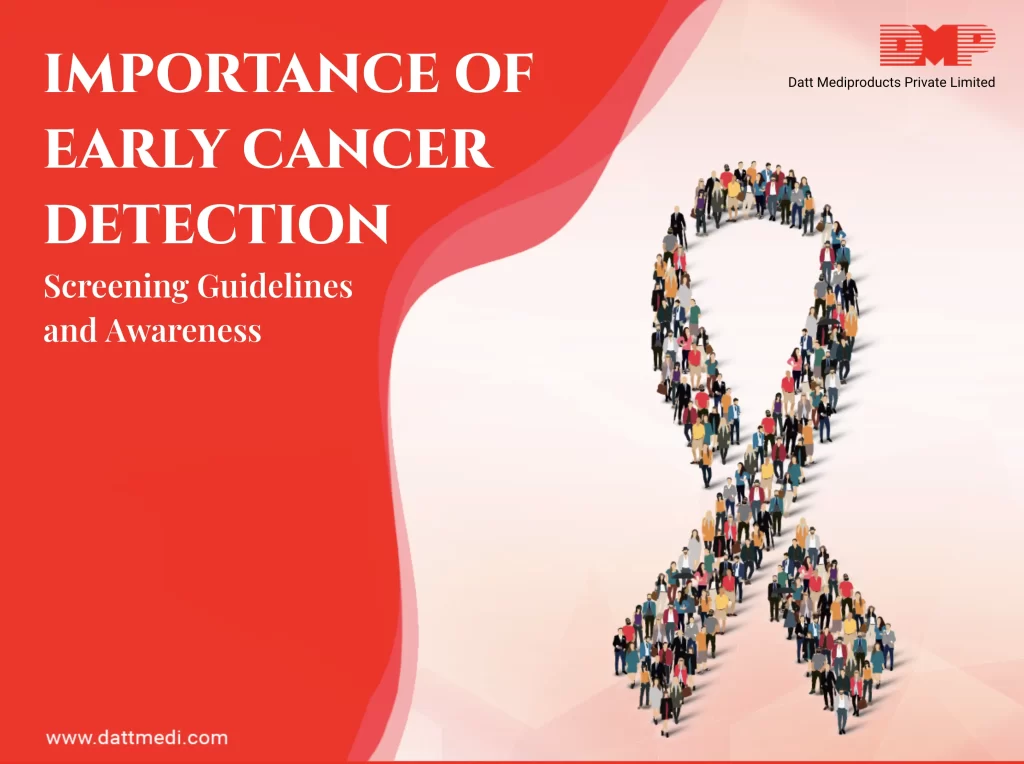
In our fast-paced and demanding modern world, it has become increasingly crucial to prioritize our health and well-being. Among the myriad of health concerns affecting millions worldwide, cancer stands as one of the most significant challenges we face. However, with advances in medical science, early detection has emerged as a powerful tool in the fight against this devastating disease. In this blog, we will explore the importance of early cancer detection, shed light on screening guidelines, and emphasize the necessity of regular screenings for various types of cancer.

The Impact of Early Cancer Detection: Early detection plays a pivotal role in improving cancer outcomes and significantly increasing the chances of successful treatment. When cancer is detected in its early stages, before it has metastasized, treatment options are often less aggressive and more effective. Moreover, early detection significantly enhances survival rates, underscoring the vital importance of regular screenings for individuals.

Screening Guidelines for Different Types of Cancer:

Breast Cancer:

Among women, breast cancer is one of the most prevalent forms of the disease. The American Cancer Society advises that women aged 40 and above should undergo annual mammograms for breast cancer screening. However, individual risk factors may warrant earlier screenings or additional tests.


Colorectal Cancer:

Affecting both men and women, colorectal cancer ranks as the third most common cancer globally. Screening for colorectal cancer typically begins at the age of 45. Methods such as colonoscopy, sigmoidoscopy, and stool-based tests are employed to detect abnormal growths or cancerous cells in the colon or rectum.

Cervical Cancer:

Regular screenings and human papillomavirus (HPV) vaccination can prevent cervical cancer. The American Cancer Society recommends cervical cancer screening for individuals with a cervix starting at the age of 25. This can be achieved through a Pap test, an HPV test, or a combination of both.

Lung Cancer:

As the leading cause of cancer-related deaths worldwide, lung cancer poses a significant threat. For individuals at high risk, such as current or former smokers, low-dose computed tomography (LDCT) scans are recommended. Screening should commence at the age of 50 and continue until age 80, or as long as the individual is in good health.


Prostate Cancer:

Primarily affecting men, prostate cancer typically develops in older individuals. The American Cancer Society advises men to discuss the potential benefits and risks of prostate cancer screening with their healthcare provider. Screening options include prostate-specific antigen (PSA) blood tests and digital rectal exams.

Early cancer detection can save lives by enabling more effective treatment options and improving survival rates. By adhering to the recommended screening guidelines for different types of cancer, individuals can take proactive steps towards their health and potentially detect cancer in its early stages.

Through raising awareness, educating the public, and advocating for regular screenings, we can work together to alleviate the burden of cancer and enhance overall healthcare outcomes. Remember, prevention and early detection are the keys to triumphing over cancer. This strategic stance promises extended lives, improved outcomes, and a brighter future for all, underscoring the vital role of early cancer detection as a beacon of hope in a world where health is paramount.

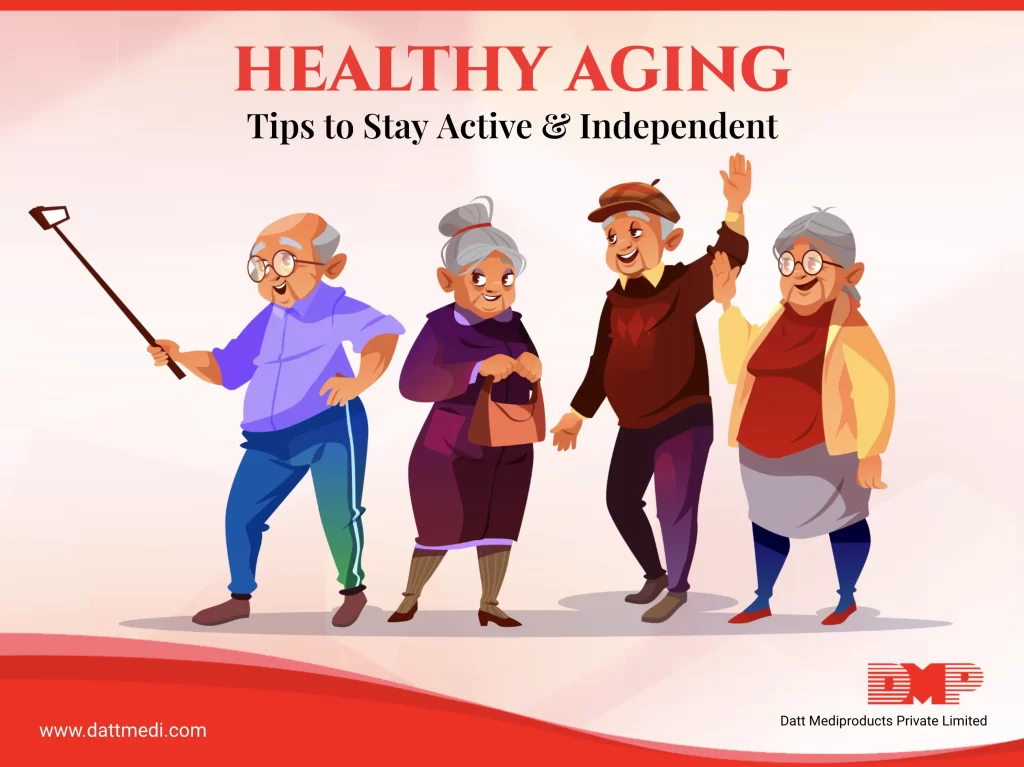
As we age, our bodies undergo several changes that can affect our overall health. These changes include a decrease in muscle mass and bone density, a slower metabolism, and a decline in cognitive function. Additionally, our immune system may weaken, making us more susceptible to infections and illnesses.

However, it’s important to remember that aging doesn’t necessarily mean poor health. By taking care of our bodies and adopting healthy habits, we can age gracefully and maintain our health and independence.

Issues Faced with Aging:

There are several issues that can arise as we age. Some of the most common include:

1. Chronic conditions:

As we age, we are more likely to develop chronic health conditions such as diabetes, arthritis, and heart disease.

2. Mobility issues:

Muscles and joints can become stiff and less flexible with age, which can make it harder to move around.

3. Cognitive decline:

Memory loss and other cognitive changes can occur with age.

4. Social isolation:

Older adults may experience social isolation and loneliness, which can lead to depression and other health problems.

5. Caregiver burden:

Family members or other caregivers may experience stress and burnout when caring for an older adult.

Ways to Overcome in a Healthy Way:

A. Stay active:

Regular exercise can help maintain muscle strength, flexibility, and balance. Try to engage in physical activity for at least 30 minutes a day, five days a week. This could be as simple as taking a walk or doing some light stretching.

B. Eat a healthy diet:

A balanced diet with plenty of fruits, vegetables, whole grains, and lean protein can help maintain overall health. It’s also important to stay hydrated by drinking plenty of water.

C. Keep your mind active:

Engage in activities that challenge your brain, such as reading, doing puzzles, or learning a new skill. This can help maintain cognitive function and prevent memory loss.

D. Stay socially engaged:

Join clubs or groups that interest you, volunteer in your community, or spend time with family and friends. Staying socially engaged can help prevent loneliness and depression.

E. Be proactive about healthcare:

Regular check-ups with your healthcare provider can help detect and treat health problems early on. It’s also important to follow recommended screening guidelines for conditions such as cancer and heart disease.

While it’s important to take care of ourselves as we age, it’s also important to take precautions to prevent falls and other accidents.

Some ways to do this include:

  • Keep your home well-lit and free of clutter.
  • Install grab bars in the bathroom and other areas where you may need extra support.
  • Use assistive devices such as a cane or walker if needed.
  • Wear proper footwear with good support and non-slip soles.
  • Be aware of potential hazards such as uneven sidewalks or slippery floors.

Healthy aging is achievable with the right mindset and healthy habits. By staying active, eating a healthy diet, keeping our minds active, staying socially engaged, and being proactive about healthcare, we can maintain our health and independence as we age.

We advice to take precautions to prevent falls and other accidents, and don’t be afraid to ask for help when needed. With these tips and strategies, we can age gracefully and enjoy a healthy and fulfilling life.

Logo

Datt Mediproducts Private Limited

Loading