

Search by Blog
Read by Category

Your healing journey continues beyond this blog

Find the right products for better recovery at online store
Cart Image
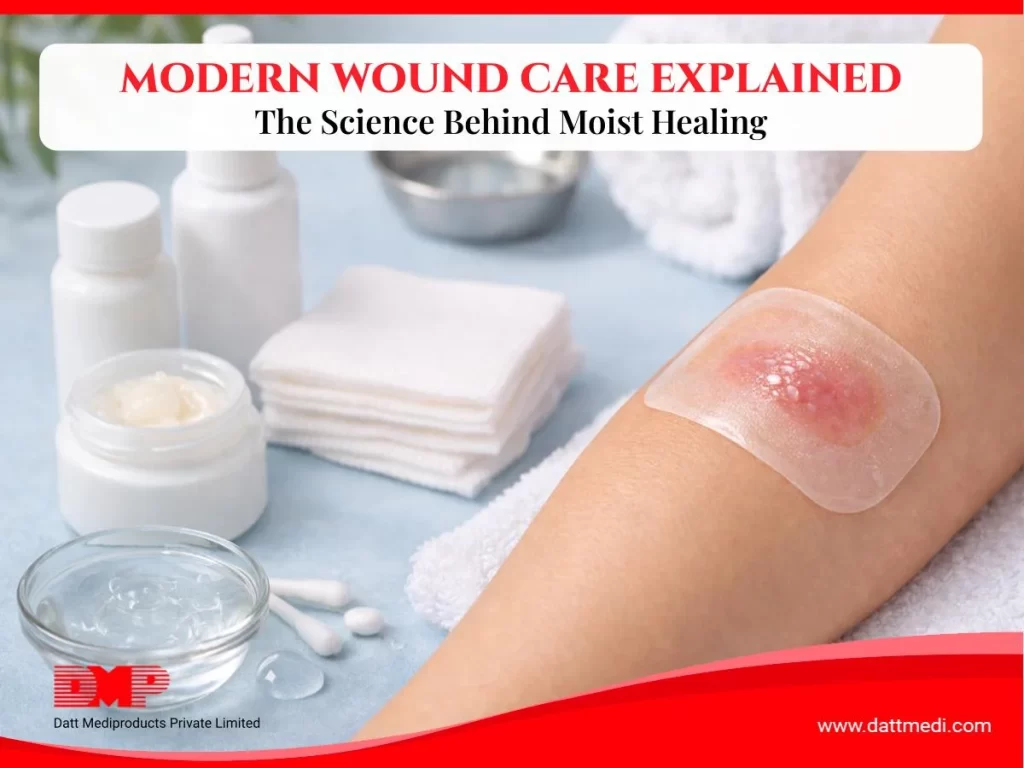
Moist wound environment supporting tissue regeneration

For many years, people believed that allowing a wound to dry out and form a scab was the best way to promote healing. Modern wound care science has shown that maintaining a moist healing environment can support faster tissue repair, reduce discomfort, and improve skin recovery.

Since its clinical adoption in the 1960s, moist wound healing has become a cornerstone of modern wound care in hospitals and home care settings worldwide. By protecting the wound and supporting the body’s natural repair process, this method helps improve healing outcomes and patient comfort.

What Is Moist Wound Healing?

Moist wound healing involves covering a wound with an advanced wound care dressing that maintains optimal moisture while protecting it from contaminants and bacteria.

Dry Healing Approach

  • Allows a hard scab to form
  • Can slow skin cell movement
  • May delay tissue repair

Moist Healing Approach

  • Keeps the wound hydrated
  • Enables faster cell migration
  • Supports efficient tissue regeneration
This balanced environment helps the body heal more effectively.

Moist Wound Healing vs Dry Healing: Key Differences

FeatureMoist HealingDry Healing
Healing SpeedFasterSlower
Pain LevelReducedOften higher
Infection ProtectionBarrier protectionExposure risk
ScarringLess visibleMore likely
Tissue RepairContinuousInterrupted by scab

Why Moist Wound Healing Is Beneficial

1. Faster Healing

A moist environment allows skin cells to move easily across the wound surface.

  • No hard scab blocking repair
  • Continuous tissue rebuilding
  • Shorter recovery time

This is especially beneficial for surgical wounds, burns, and chronic ulcers.

2. Reduced Pain and Discomfort

Dry wounds can expose nerve endings, increasing sensitivity and pain.

Moist dressings:

  • Protect delicate tissue
  • Reduce irritation
  • Provide cushioning comfort

They are commonly used to soothe painful wounds and burns.

3. Lower Risk of Infection

Advanced wound dressings create a protective barrier against dirt and bacteria.

When combined with antimicrobial protection, they:

  • Reduce contamination risk
  • Support safer healing
  • Assist infection prevention in wound care

This is particularly important for post-surgical and chronic wounds. 
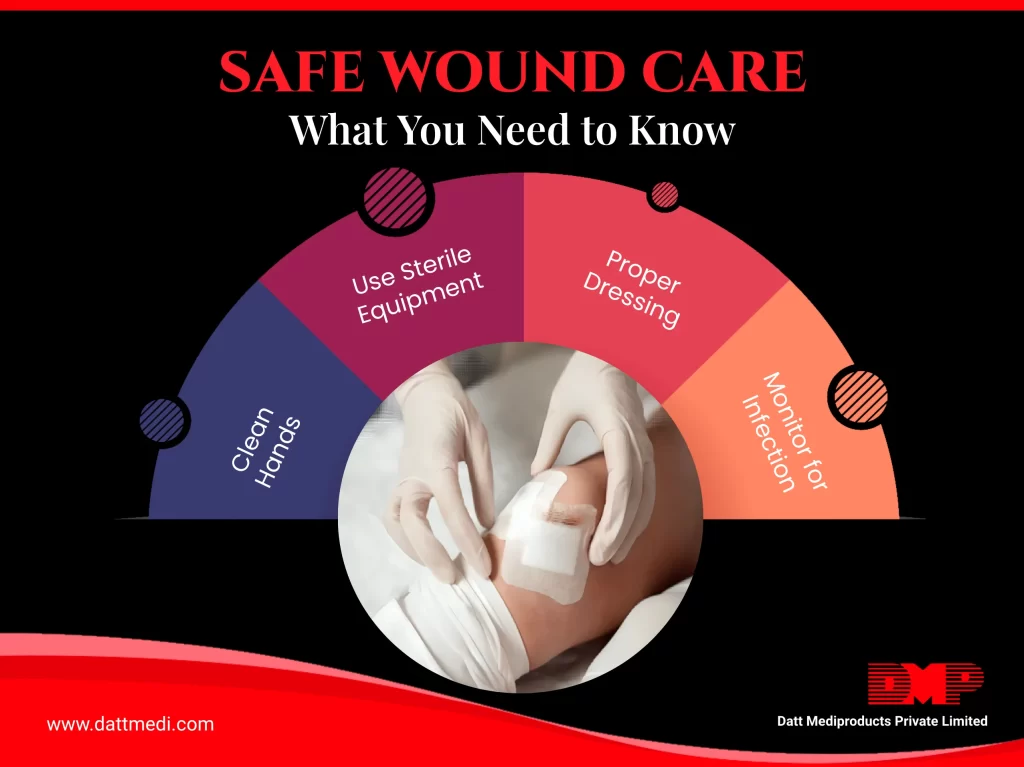
In addition to moisture balance, adopting safe wound care practices to prevent infections further enhances healing outcomes.

4. Less Scarring and Better Skin Repair

When tissue dries out, scarring may become more noticeable.

Moist wound healing:

  • Maintains tissue flexibility
  • Supports smoother skin regeneration
  • Improves cosmetic outcomes

This is beneficial for both medical recovery and aesthetic healing.

5. Natural Removal of Dead Tissue (Autolytic Debridement)

Moisture supports the body’s natural ability to break down and remove dead tissue.

This process:

  • Promotes healthy tissue growth
  • Reduces the need for manual cleaning
  • Supports chronic wound management

How Moist Wound Healing Supports Recovery

Moisture-retentive dressings create an ideal healing environment by:

  • Maintaining stable temperature
  • Supporting new tissue formation
  • Encouraging healthy blood circulation
  • Preserving growth factors and healing proteins

This environment aligns with global medical wound management protocols and modern clinical practices supported by organizations such as the World Health Organization.

Choosing the Right Dressing for Moist Wound Healing

Selecting the best dressing for wound healing depends on wound type, exudate level, and skin condition.

Hydrocolloid Dressings

  • Maintain moisture balance
  • Suitable for minor burns and light drainage wounds

Foam Dressings

  • Absorb excess fluid
  • Keep the wound moist
  • Ideal for moderate to heavily draining wounds 

Hydrogel Dressings

  • Hydrate dry wounds
  • Provide cooling relief
  • Reduce pain and discomfort 

Alginate Dressings

  • Highly absorbent
  • Suitable for heavy exudate wounds

Film Dressings

  • Thin and transparent
  • Protect superficial wounds and abrasions (Velfix T Film)

Wounds That Benefit from Moist Healing

1. Chronic Wounds

2. Acute Wounds

3. Fragile Skin Conditions

  • Pediatric wounds
  • Elderly skin injuries
Moist healing protects delicate skin and reduces friction damage.

Common Misbeliefs About Moist Wound Healing

  • Myth: Moist wounds cause infections.
  • Fact: Proper wound dressings create a protective barrier that helps prevent contamination.
  • Myth: Scabs help wounds heal faster.
  • Fact: Scabs can slow healing by blocking new cell growth.

Tips for Effective Moist Wound Healing

  • Choose dressings based on wound size and fluid level
  • Change dressings as recommended
  • Avoid excessive moisture around wound edges
  • Monitor for redness, swelling, or unusual discharge
  • Seek medical care for deep or chronic wounds

For more detailed guidance on wound care best practices — including cleaning, dressing changes, and monitoring — see our Best wound care practices for faster healing.

Challenges to Consider

Moist healing is highly effective, but improper use may cause complications:

  • Excessive moisture may cause skin maceration
  • Incorrect dressing selection can delay healing
  • Increased susceptibility to infections and further damage

Guidance from healthcare professionals helps ensure safe and effective wound care and regular monitoring ensures optimal results

Evidence Supporting Moist Wound Healing

Clinical research shows moist wound environments can:

  • Accelerate healing rates
  • Reduce complications
  • Improve skin regeneration
  • Lower overall treatment costs

These benefits have made moist wound care a globally accepted standard supported by organizations such as the National Institute for Health and Care Excellence.

Studies indicate that wounds maintained in a moist environment may heal up to 40% faster compared to dry healing methods.

Moist wound healing has transformed modern wound care by enabling faster recovery, reducing discomfort, minimizing scarring, and improving overall healing outcomes. Using advanced wound care dressings helps maintain optimal moisture balance while protecting wounds from external contaminants.

For safe and effective healing, wound care decisions should always be guided by qualified healthcare professionals.


Visit www.dattmedi.com for more infomation.
Share:

Frequnently Asked Questions

Moist wound healing supports faster tissue repair, reduces pain, lowers infection risk, and minimizes scarring. Unlike dry healing, it allows skin cells to regenerate efficiently. Modern wound care guidelines widely recommend moisture-retentive dressings for safer recovery.

Yes. A moist wound environment allows skin cells (keratinocytes) to migrate and rebuild tissue more efficiently, faster collagen production and accelerating healing. Studies show moist healing conditions can significantly improve recovery time compared to wounds left to dry.

The ideal dressing depends on the wound condition. Hydrocolloid dressings help maintain moisture, foam dressings manage fluid, hydrate dry wounds, and alginate dressings absorb heavy discharge. Selecting the right dressing ensures optimal healing conditions.

Yes. Advanced wound dressings create a protective barrier against bacteria and contaminants while maintaining optimal moisture. When used correctly, they support infection prevention and promote safer healing.

Moist wound healing is widely used for chronic wounds such as diabetic foot ulcers, pressure injuries, and venous leg ulcers. It supports tissue regeneration, reduces complications, and promotes faster healing outcomes when guided by healthcare professionals.

Recent Blogs
CHOOSING THE RIGHT DRESSINGS

Chronic wounds are wounds that fail to heal within the expected time frame, typically lasting more than four weeks. They can arise due to underlying conditions such as diabetes, prolonged pressure, or venous insufficiency. Common types include diabetic ulcers, bed sores, and venous leg ulcers.

Managing chronic wounds presents significant challenges, including a high risk of infection, slow healing, and patient discomfort. The right dressing plays a crucial role in creating an optimal healing environment, reducing complications, and improving patient outcomes.

Types of Chronic Wounds and Their Dressing Needs

Diabetic Ulcers

  • A Diabetic foot ulcer is a debilitating complication of diabetes mellitus. It refers  to an open sore or wound, commonly developing on the feet of people with diabetes.
  • Require moisture balance, infection control, and non-adhesive properties to protect fragile skin.

Bed Sores

  • Bed sores are ulcers which usually develop gradually on the skin and the tissue underneath. Occurring mostly in bed ridden patients, bed sores arise on the skin covering bony areas of the body such as hips, back, tailbone, etc.
  • Demand dressings that redistribute pressure and effectively manage exudate to prevent further skin breakdown.

Venous Leg Ulcers

  • Venous leg ulcers are chronic wounds affecting mostly older adults. They primarily result from prolonged venous insufficiency, which leads to tissue breakdown in lower extremities.
  • Benefit from a combination of compression therapy and absorbent dressings to address venous insufficiency and excessive fluid.

Infected Chronic Wounds

  • Chronic infected wounds are those wounds that do not even start to heal after 4 to 12 weeks despite treatment. They develop due to poor blood circulation, weak immune system or co-morbid conditions such as diabetes.
  • Require antimicrobial dressings to manage bacterial load and prevent further complications.

Key Dressing Options:

VEL NeXT™

  • Designed specifically for chronic wounds, including diabetic ulcers, burns, necrotizing fasciitis, and venous ulcers.
  • Promotes faster wound healing while maintaining an optimal moisture balance.

Velvert®

  • A secure antimicrobial dressing with excellent moisture management.
  • Ideal for wounds at high risk of infection, including diabetic ulcers and chronic wounds.

Silvel™

  • Features nano-crystalline silver for strong antimicrobial action.
  • Features silver for strong antimicrobial action.
  • Suitable for infected or high-risk wounds, particularly bed sores.

Velsap™

  • Designed for moderate to heavily exuding wounds.
  • Provides effective fluid management, reducing the need for frequent dressing changes.

How to Choose the Right Dressing?

Selecting the right dressing requires a comprehensive assessment of several factors:

  • Wound Type: Identify whether the wound is a diabetic ulcer, pressure sore, or venous ulcer.
  • Exudate Levels: Choose absorbent dressings for heavily exuding wounds and moisture-retaining options for dry wounds.
  • Infection Status: Use antimicrobial dressings for infected or high-risk wounds.
  • Patient-Specific Considerations: Factors such as mobility, skin sensitivity, and underlying health conditions must be considered.
Healthcare professionals play a crucial role in guiding dressing selection based on individual wound characteristics and patient needs.

Additional Tips for Chronic Wound Care Management

  • Proper Cleaning & Debridement: Keeping the wound clean and removing dead tissue enhances healing.
  • Regular Monitoring & Dressing Changes: Assessing the wound regularly and changing dressings at the right intervals prevent complications and ensure steady healing.

Chronic wounds require tailored solutions to support healing and prevent complications. Choosing the right dressing—ensures optimal wound care and faster recovery.

Explore our advanced dressing solutions today and find the best option for your wound care needs!

Managing Chronic Wounds

Choosing the Right Dressing for Chronic Wounds

Chronic wounds, such as diabetic ulcers, pressure sores, and venous leg ulcers, present unique challenges in wound care management. These wounds often resist healing due to underlying conditions such as poor circulation, increased infection risks, prolonged or excessive inflammation, and other patient-specific factors.

Selecting appropriate dressings tailored to the needs of chronic wounds is essential to promote healing and prevent complications.

Chronic wounds develop due to systemic issues that delay natural healing. Common types include:

  • Diabetic Ulcers: These ulcers result from reduced blood flow and nerve damage, often occurring on the feet. Proper care involves maintaining a balance between moisture and dryness, ensuring the wound does not become too dry or overly moist.
Stat Spotlight

In India, diabetic foot ulcers account for approximately 20% of all diabetes‑related hospitalizations. ~ Source
  • Pressure Sores: Caused by prolonged pressure on the skin, these wounds are common among bedridden or immobile patients. Managing pressure and ensuring the wound stays clean and protected are vital.
Stat Spotlight

In India, point‑prevalence studies report that approximately 5% of hospitalized patients have pressure ulcers, underscoring the importance of preventive care. ~Source
  • Venous Leg Ulcers: These ulcers result from chronic venous insufficiency, in which impaired venous return causes fluid to accumulate in the lower legs, increasing tissue pressure and leading to skin breakdown. Effective management typically centers on graduated compression therapy to improve circulation, alongside advanced dressings to control exudate, leg elevation, and skin care to protect the periwound area.

Managing these wounds involves addressing infection risks, ensuring patient comfort, and promoting effective healing using evidence-based dressing solutions. Selecting the appropriate dressing depends on the type of wound, its condition, and the specific challenges it presents.

Below are some general guidelines:

Diabetic Ulcers

Dressings should maintain moisture balance and provide effective infection control. Non-adhesive dressings are preferred to minimize skin damage during dressing changes. Velvert®, with its strong antimicrobial properties and excellent moisture management, is ideal for diabetic ulcers and wounds at high risk of infection.

Pressure Sores

These wounds require dressings that redistribute pressure and effectively manage exudate to prevent further tissue damage and support healing. Velfix®-S offers both cushioning and absorption, making it a reliable choice for pressure sores and wounds requiring enhanced comfort and protection.

Venous Leg Ulcers

Advanced dressings used in combination with compression therapy are essential for managing exudate and improving circulation. Velfour®, with its high absorption capacity, is well-suited for heavily exuding wounds, including venous leg ulcers.

Infected Wounds

Antimicrobial dressings are effective in managing bacterial growth and reducing the risk of complications. Silvel™ with its strong silver based antimicrobial action and Velvert™ with their strong silver-based antimicrobial action, are suitable for infected or high-risk wounds such as second-degree burns, necrotizing fasciitis, and traumatic wounds.

Here are some types of advanced dressings that address specific wound care needs:

Antimicrobial Dressings

Designed to manage infection risks, these dressings often contain agents like silver to inhibit bacterial growth. Silvel™ and Velvert™ are widely used for diabetic ulcers and pressure sores prone to infection, owing to their strong antimicrobial properties.

Foam Dressings

Highly absorbent, these dressings are ideal for wounds with significant exudate, such as venous leg ulcers. They also offer cushioning to enhance patient comfort. Velsap™ and Velfix®-S are designed for moderate to heavily exuding wounds, ensuring effective fluid management and reduced dressing change frequency.

Multi-Layer Dressings

These dressings provide both absorption and protection, making them effective for managing pressure sores and heavily exuding wounds. Velfour® is an excellent example, offering essential support for such wound types.

Real-Life Example

A 60-year-old diabetic patient in India developed a non-healing foot ulcer. Initially, traditional gauze dressings were used, leading to frequent infections. After switching to Velvert™ antimicrobial dressing, the wound showed significant improvement within four weeks, with reduced exudate and no further infections. This case highlights the importance of selecting the right dressing for chronic wounds.

Practical Tips for Managing Chronic Wounds

Effective wound care goes beyond dressing selection. Here are additional strategies to optimize healing:

  • Proper Cleaning and Debridement: Regularly cleaning the wound and removing dead tissue helps create an optimal environment for healing.
  • Adjunctive Therapies: Techniques like compression therapy for venous ulcers and offloading for diabetic foot ulcers can significantly improve outcomes.
  • Regular Monitoring: Chronic wounds require consistent evaluation to identify changes in size, depth, or signs of infection, allowing timely adjustments in care.
  • Consulting Professionals: Work with healthcare providers to ensure the care plan addresses the wound’s unique needs and aligns with the patient’s overall health condition.

Selecting the right dressing for chronic wounds can significantly improve healing outcomes and enhance patient comfort. By understanding wound characteristics and tailoring treatments accordingly, healthcare professionals can address even the most challenging cases effectively.

Logo

Datt Mediproducts Private Limited

Loading