


Search by Blog
Read by Category

Your healing journey continues beyond this blog

Find the right products for better recovery at online store
Cart Image
Managing Chronic Wounds

Choosing the Right Dressing for Chronic Wounds

Chronic wounds, such as diabetic ulcers, pressure sores, and venous leg ulcers, present unique challenges in wound care management. These wounds often resist healing due to underlying conditions such as poor circulation, increased infection risks, prolonged or excessive inflammation, and other patient-specific factors.

Selecting appropriate dressings tailored to the needs of chronic wounds is essential to promote healing and prevent complications.

Chronic wounds develop due to systemic issues that delay natural healing. Common types include:

  • Diabetic Ulcers: These ulcers result from reduced blood flow and nerve damage, often occurring on the feet. Proper care involves maintaining a balance between moisture and dryness, ensuring the wound does not become too dry or overly moist.
Stat Spotlight

In India, diabetic foot ulcers account for approximately 20% of all diabetes‑related hospitalizations. ~ Source
  • Pressure Sores: Caused by prolonged pressure on the skin, these wounds are common among bedridden or immobile patients. Managing pressure and ensuring the wound stays clean and protected are vital.
Stat Spotlight

In India, point‑prevalence studies report that approximately 5% of hospitalized patients have pressure ulcers, underscoring the importance of preventive care. ~Source
  • Venous Leg Ulcers: These ulcers result from chronic venous insufficiency, in which impaired venous return causes fluid to accumulate in the lower legs, increasing tissue pressure and leading to skin breakdown. Effective management typically centers on graduated compression therapy to improve circulation, alongside advanced dressings to control exudate, leg elevation, and skin care to protect the periwound area.

Managing these wounds involves addressing infection risks, ensuring patient comfort, and promoting effective healing using evidence-based dressing solutions. Selecting the appropriate dressing depends on the type of wound, its condition, and the specific challenges it presents.

Below are some general guidelines:

Diabetic Ulcers

Dressings should maintain moisture balance and provide effective infection control. Non-adhesive dressings are preferred to minimize skin damage during dressing changes. Velvert®, with its strong antimicrobial properties and excellent moisture management, is ideal for diabetic ulcers and wounds at high risk of infection.

Pressure Sores

These wounds require dressings that redistribute pressure and effectively manage exudate to prevent further tissue damage and support healing. Velfix®-S offers both cushioning and absorption, making it a reliable choice for pressure sores and wounds requiring enhanced comfort and protection.

Venous Leg Ulcers

Advanced dressings used in combination with compression therapy are essential for managing exudate and improving circulation. Velfour®, with its high absorption capacity, is well-suited for heavily exuding wounds, including venous leg ulcers.

Infected Wounds

Antimicrobial dressings are effective in managing bacterial growth and reducing the risk of complications. Silvel™ with its strong silver based antimicrobial action and Velvert™ with their strong silver-based antimicrobial action, are suitable for infected or high-risk wounds such as second-degree burns, necrotizing fasciitis, and traumatic wounds.

Here are some types of advanced dressings that address specific wound care needs:

Antimicrobial Dressings

Designed to manage infection risks, these dressings often contain agents like silver to inhibit bacterial growth. Silvel™ and Velvert™ are widely used for diabetic ulcers and pressure sores prone to infection, owing to their strong antimicrobial properties.

Foam Dressings

Highly absorbent, these dressings are ideal for wounds with significant exudate, such as venous leg ulcers. They also offer cushioning to enhance patient comfort. Velsap™ and Velfix®-S are designed for moderate to heavily exuding wounds, ensuring effective fluid management and reduced dressing change frequency.

Multi-Layer Dressings

These dressings provide both absorption and protection, making them effective for managing pressure sores and heavily exuding wounds. Velfour® is an excellent example, offering essential support for such wound types.

Real-Life Example

A 60-year-old diabetic patient in India developed a non-healing foot ulcer. Initially, traditional gauze dressings were used, leading to frequent infections. After switching to Velvert™ antimicrobial dressing, the wound showed significant improvement within four weeks, with reduced exudate and no further infections. This case highlights the importance of selecting the right dressing for chronic wounds.

Practical Tips for Managing Chronic Wounds

Effective wound care goes beyond dressing selection. Here are additional strategies to optimize healing:

  • Proper Cleaning and Debridement: Regularly cleaning the wound and removing dead tissue helps create an optimal environment for healing.
  • Adjunctive Therapies: Techniques like compression therapy for venous ulcers and offloading for diabetic foot ulcers can significantly improve outcomes.
  • Regular Monitoring: Chronic wounds require consistent evaluation to identify changes in size, depth, or signs of infection, allowing timely adjustments in care.
  • Consulting Professionals: Work with healthcare providers to ensure the care plan addresses the wound’s unique needs and aligns with the patient’s overall health condition.

Selecting the right dressing for chronic wounds can significantly improve healing outcomes and enhance patient comfort. By understanding wound characteristics and tailoring treatments accordingly, healthcare professionals can address even the most challenging cases effectively.
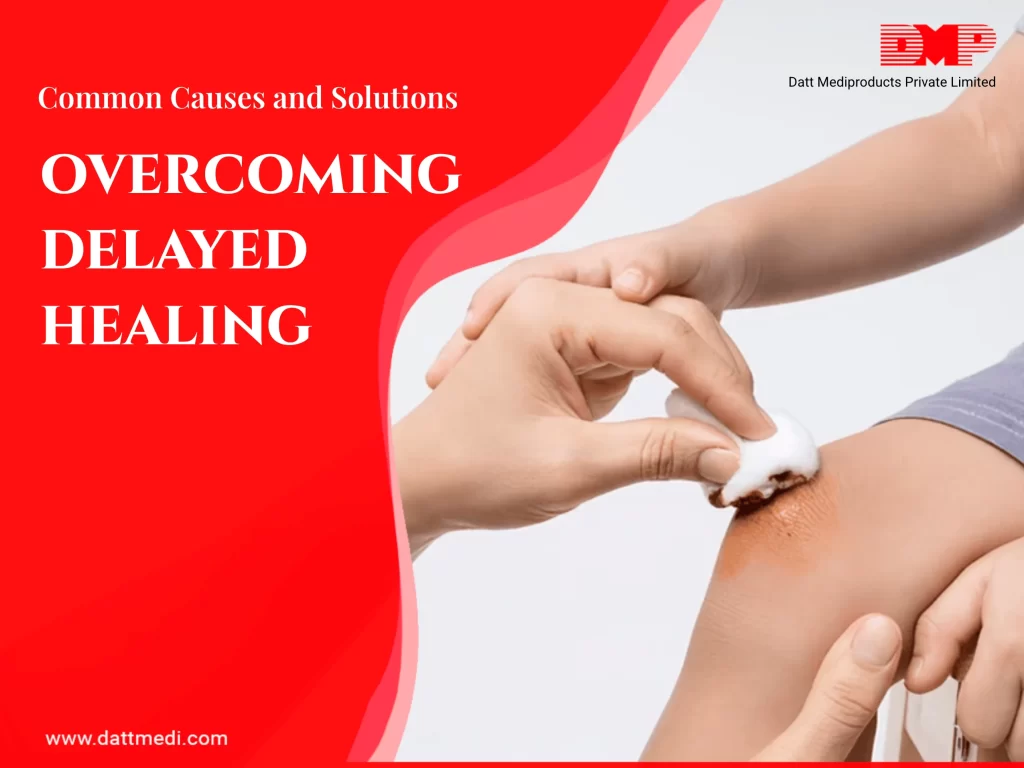

Visit www.dattmedi.com for more infomation.
Share:
Recent Blogs
Showering with Wounds

Showering with Wounds: Tips for Staying Clean and Safe During Healing

Keeping wounds clean and dry is essential for proper healing. However, many people worry about showering with wounds or bathing with an open wound and the potential risks of exposing wounds to water. Without proper precautions, water exposure can lead to complications like infections, delayed healing, or dressing displacement.

Risks of Showering with Wounds

  • Infection Risks: Water, especially non-sterile water, can introduce bacteria into the wound, increasing the risk of infection.
  • Delayed Healing: Excessive moisture can disrupt the wound environment, causing the skin to swell, affecting moisture balance and slowing the healing process.
  • Dressing Displacement: Bathing may cause bandages or dressings to loosen or fall off, exposing the wound to contaminants.

Do’s for Wound Care When Bathing

  • Use Waterproof Dressings: Protect your wound from water exposure by using waterproof dressings, which help prevent infection and promote proper healing.
  • Cover the Wound: If waterproof dressings aren’t available, use plastic wrap or a waterproof barrier to keep the wound dry.
  • Opt for Showers Over Baths: Showers reduce the risk of soaking wounds, as water flows off the body rather than submerging the wound.

Don’ts for Wound Care When Bathing

  • Avoid Soaking: Stay away from tubs, pools, or hot tubs, as they introduce bacteria and disrupt the wound environment.
  • Don’t Rub the Wound Area: Avoid scrubbing or applying soap directly on the wound to prevent irritation or removal of protective layers.
  • Avoid High-Pressure Water: Strong water pressure can disturb scabs, disrupt dressings, or cause discomfort.

Waterproof Dressing Options

1. Adhesive Films:

Velfix® – T Film: Provides a waterproof, breathable seal to protect wounds from water exposure.

2. Foam Dressings with Borders:

Velfix® – Edge: Features an adhesive border that creates a secure seal, preventing water from entering.

3. Silicone-Based Dressings:

Velfix® – Secure (PICC): Designed for long-term wound protection with a waterproof and skin-friendly seal.

4. Adhesive Tapes:

Velpore™ – T: A strong yet gentle adhesive tape that secures dressings in place, ensuring they remain effective during showers.

Steps for Showering with a Wound

  • Prepare the Wound: Clean and dress the wound before showering to ensure protection.
  • Use Lukewarm Water: Avoid hot or high-pressure water that could irritate the wound.
  • Pat Dry Carefully: After showering, gently pat the dressing dry with a soft, clean towel.

Signs to Watch For

If you notice redness, swelling, unusual discharge, persistent discomfort, warmth around the wound, or a foul odor, contact a healthcare provider immediately. These may indicate an infection or irritation that requires medical attention.

With the right precautions and waterproof dressings, showering with a wound can be safe and manageable. Choosing high-quality products helps protect wounds and support optimal healing. Always follow your healthcare provider’s guidance for the best wound care practices.

Wound Might Need a Doctor’s Attention

5 Signs Your Wound Might Need a Doctor’s Attention

Wound are a common part of life, whether from minor cuts, surgical procedures, or injuries. While most heal on their own with proper care, some wounds can develop complications that require medical attention.

Ignoring early warning signs can lead to infections or even severe health risks. Knowing when to seek medical help can make all the difference in ensuring a safe and speedy recovery.

Here are five key signs that indicate your wound might need professional care:

1. Increased Redness Around the Wound

A slight redness around a wound is normal, especially in the first few days. However, if you notice the redness spreading outward or deepening in color, it could be a sign of infection. This may indicate your immune system is fighting off bacteria, and medical treatment might be necessary.

When to worry: If the redness continues to expand or is accompanied by pain, swelling, or warmth, it’s time to consult a doctor.

2. Swelling or Warmth Around the Wound

Swelling is a natural response to injury; involving increased blood flow, the body’s immune response acting as a buffer to protect the injured area. But swelling should be continually decreasing, excessive swelling or warmth around the wound could mean trouble. These signs often indicate that your body is responding to an infection.

What to look for: If the wound becomes significantly puffy, feels hot to the touch, or the swelling doesn’t subside within a few days, it’s best to seek medical advice.

3. Pus or Unusual Discharge

One of the clearest signs of infection is pus — a thick, yellow, green, or foul-smelling fluid coming from the wound. A properly healing wound should not have significant discharge beyond a small amount of clear fluid.

Act quickly if: You notice pus, a bad odor, or an increase in drainage, as these are strong indicators of bacterial infection requiring immediate attention.

4. Increased Pain or Tenderness

Pain is expected after an injury, but it should gradually decrease over time. If your wound becomes more painful instead of improving, it may indicate an underlying issue like infection or delayed healing.

Red flag: If touching the wound becomes increasingly painful, or if discomfort spreads beyond the injury site, a doctor should assess the situation.

5. Fever or Chills

While mild fever (below 100°F/ 38°C) can be a part of the healing process, high fever or persistent fever may indicate a more serious issue. High grade fever can be the body trying to fight harmful bacteria, viruses or fungi that have invaded the wound. This requires immediate care as it can get worse very easily.

Seek urgent care if: You experience a fever over 100.4°F (38°C) or chills along with any of the other symptoms listed above.

Importance of Clean and Safe Wound Dressings

Using the right wound care products can significantly reduce the risk of infection and promote faster healing. Proper wound dressings help create a protective barrier, control moisture levels, and keep the wound environment clean.

  • Antimicrobial dressings help prevent bacterial growth and maintain a sterile healing environment.
  • Waterproof dressings protect against external contaminants while ensuring proper moisture balance.
  • Gentle adhesive tapes secure dressings in place without causing skin irritation, making them suitable for daily use.

When to Seek Medical Help

If you notice any of the above warning signs, don’t wait. Seeking medical attention early can prevent more serious complications and help ensure a smooth recovery.

Call your doctor if:

  • Your wound isn’t healing or worsens after a few days.
  • You notice spreading redness, pus, increased pain, or fever.
  • You have underlying health conditions (like diabetes) that may slow healing.

Your body is designed to heal, but sometimes wounds need extra care. By paying attention to these warning signs and using the right wound care products, you can prevent infections and support faster healing.

Taking action early can mean the difference between a quick recovery and serious complications. Stay safe, stay informed, and give your wound the care it deserves!

Logo

Datt Mediproducts Private Limited

Loading
