

Search by Blog
Read by Category

Your healing journey continues beyond this blog

Find the right products for better recovery at online store
Cart Image
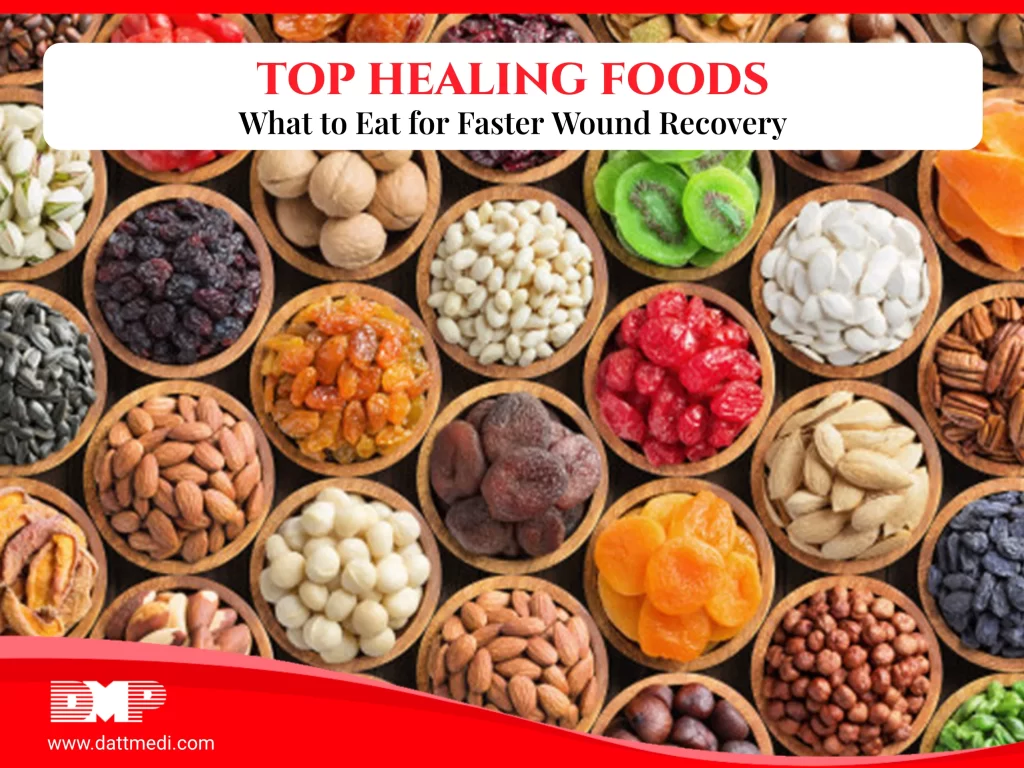
Top Foods for Wound Healing: Boost Your Recovery & Strength

Nutrition plays a central role in wound healing, often as important as medical care itself. When the body sustains an injury, foods for wound healing become essential as its demand for specific nutrients increases.

The right foods can help accelerate tissue repair, reduce inflammation, strengthen the immune system, and enhance overall recovery. This blog explores scientifically backed foods for wound healing that actively support faster and more effective recovery.

Phytonutrient Power for Tissue Repair

What they are:

Phytonutrients are bioactive compounds in plants, such as flavonoids and carotenoids.

Why they matter:

Wound sites often experience oxidative stress due to free radicals, which can delay healing. Phytonutrients neutralize these free radicals, creating a favorable environment for tissue regeneration.

 Food sources:

  • Berries (flavonoids): Blueberries, strawberries, and blackberries reduce oxidative stress.
  • Sweet potatoes & carrots (carotenoids): Support cell growth and boost skin barrier function.

Quick Tip: Including a cup of mixed berries in breakfast or roasted sweet potato as a side dish provides antioxidant protection during recovery.

Collagen-Activating Foods

What they are:

Nutrients that directly stimulate collagen synthesis.

Why they matter:

Collagen forms the structural framework of new tissue and strong scar formation.

Key nutrients & foods:

  • Vitamin C (bell peppers, citrus, kiwi): A co-factor in collagen production.
  • Copper (sunflower seeds, cashews, lentils): Supports the cross-linking of collagen fibers for durability.

Quick Tip: A salad of bell peppers, spinach, and sunflower seeds supplies both vitamin C and copper—maximizing collagen activation.

Gut Health and Healing Connection

What it is:

The gut microbiome plays a central role in nutrient absorption and immune regulation.

Why it matters:

Without a healthy gut, even the best diet cannot deliver full healing benefits. Probiotics strengthen the microbiome, enhance nutrient uptake, and improve immune defenses against infection.

Food sources:

Yogurt, kefir, kimchi, sauerkraut, miso.

Quick Tip: Consuming a serving of probiotic yogurt daily can improve nutrient bioavailability, indirectly accelerating wound recovery.

Anti-Inflammatory Spice Cabinet

What they are:

Natural spices with anti-inflammatory and antimicrobial properties.

Why they matter:

Chronic inflammation around a wound can slow tissue regeneration. Certain spices actively reduce inflammatory responses while fighting harmful microbes.

Food sources:

  • Turmeric (curcumin): Reduces pro-inflammatory cytokines.
  • Ginger: Enhances circulation and reduces swelling.
  • Garlic: Provides antimicrobial support against infections.

Quick Tip: Adding turmeric to curries, ginger to tea, and garlic to meals integrates these benefits naturally into daily cooking.

Zinc Synergy Foods

What it is:

Zinc is essential for cell division and repair, but its efficiency increases when paired with vitamin C.

Why it matters:

Zinc deficiency can delay wound closure. Pairing zinc with vitamin C optimizes collagen production and tissue healing.

Food sources & pairings:

  • Pumpkin seeds + oranges
  • Chickpeas + bell peppers
This nutrient synergy ensures better absorption and function.

Iron-Rich for Oxygen Delivery

What it is:

Iron is critical for hemoglobin formation.

Why it matters:

Adequate hemoglobin ensures oxygen supply to regenerating tissues, which is vital for energy production during healing.

Food sources:

  • Heme iron (easily absorbed): Red meat, chicken, fish.
  • Non-heme iron: Lentils, spinach, fortified cereals.

Quick Tip: Pairing spinach (iron) with tomatoes (vitamin C) improves absorption, ensuring more oxygen reaches healing tissues.

Hydration Beyond Water

What it is:

Cellular hydration requires more than water—electrolytes are equally vital.

Why it matters:

Dehydrated cells cannot repair efficiently. Electrolytes maintain fluid balance, nerve signaling, and nutrient transport.

Food sources:

  • Coconut water: Natural electrolytes.
  • Watermelon & cucumbers: High water content plus minerals.
  • Broths & soups: Provide both fluids and electrolytes.

Quick Tip: Including hydrating foods alongside water intake supports optimal tissue repair.

Building a Healing Plate

Recovery requires more than a single “superfood.” It’s about creating a balanced plate with antioxidant-rich phytonutrients, collagen -activating nutrients, probiotics, anti-inflammatory spices, zinc and iron synergy, and hydration strategies.

Together, these foods give your body the fuel it needs to rebuild stronger tissue, reduce complications, and support a faster recovery.

Take good care—and Happy Holidays! ❄️✨🎄

Visit www.dattmedi.com for more infomation.
Share:

Frequnently Asked Questions

Nutrients like vitamin C, zinc, protein, and iron are essential for tissue repair and collagen formation. Combining a nutrient-rich diet with moisture-balancing dressings such as Velvert® Advanced Dressings supports optimal wound recovery.

Protein provides the building blocks for new tissue formation. Including lean meats, lentils, and eggs in your diet, along with proper wound protection using Velfix® Antimicrobial Dressings, helps accelerate healing and strengthen recovery.

Yes. Anti-inflammatory foods like turmeric, ginger, and berries help reduce swelling and oxidative stress. Pairing these foods with antimicrobial dressings from our Advanced Wound Care Range can further protect the wound from infection and promote faster repair.

Zinc aids in collagen production, immune defense, and skin regeneration. Foods like pumpkin seeds, lentils, and chickpeas boost zinc levels, while products such as Velsoft® Silicone Foam Dressings provide external protection to complement internal healing.

Proper hydration ensures that nutrients and oxygen reach the wound site effectively. Along with fluids and electrolyte-rich foods, maintaining the right wound moisture balance through Hydrogel Dressings helps create an ideal environment for tissue repair.

Recent Blogs
Managing Chronic Wounds

Choosing the Right Dressing for Chronic Wounds

Chronic wounds, such as diabetic ulcers, pressure sores, and venous leg ulcers, present unique challenges in wound care management. These wounds often resist healing due to underlying conditions such as poor circulation, increased infection risks, prolonged or excessive inflammation, and other patient-specific factors.

Selecting appropriate dressings tailored to the needs of chronic wounds is essential to promote healing and prevent complications.

Chronic wounds develop due to systemic issues that delay natural healing. Common types include:

  • Diabetic Ulcers: These ulcers result from reduced blood flow and nerve damage, often occurring on the feet. Proper care involves maintaining a balance between moisture and dryness, ensuring the wound does not become too dry or overly moist.
Stat Spotlight

In India, diabetic foot ulcers account for approximately 20% of all diabetes‑related hospitalizations. ~ Source
  • Pressure Sores: Caused by prolonged pressure on the skin, these wounds are common among bedridden or immobile patients. Managing pressure and ensuring the wound stays clean and protected are vital.
Stat Spotlight

In India, point‑prevalence studies report that approximately 5% of hospitalized patients have pressure ulcers, underscoring the importance of preventive care. ~Source
  • Venous Leg Ulcers: These ulcers result from chronic venous insufficiency, in which impaired venous return causes fluid to accumulate in the lower legs, increasing tissue pressure and leading to skin breakdown. Effective management typically centers on graduated compression therapy to improve circulation, alongside advanced dressings to control exudate, leg elevation, and skin care to protect the periwound area.

Managing these wounds involves addressing infection risks, ensuring patient comfort, and promoting effective healing using evidence-based dressing solutions. Selecting the appropriate dressing depends on the type of wound, its condition, and the specific challenges it presents.

Below are some general guidelines:

Diabetic Ulcers

Dressings should maintain moisture balance and provide effective infection control. Non-adhesive dressings are preferred to minimize skin damage during dressing changes. Velvert®, with its strong antimicrobial properties and excellent moisture management, is ideal for diabetic ulcers and wounds at high risk of infection.

Pressure Sores

These wounds require dressings that redistribute pressure and effectively manage exudate to prevent further tissue damage and support healing. Velfix®-S offers both cushioning and absorption, making it a reliable choice for pressure sores and wounds requiring enhanced comfort and protection.

Venous Leg Ulcers

Advanced dressings used in combination with compression therapy are essential for managing exudate and improving circulation. Velfour®, with its high absorption capacity, is well-suited for heavily exuding wounds, including venous leg ulcers.

Infected Wounds

Antimicrobial dressings are effective in managing bacterial growth and reducing the risk of complications. Silvel™ with its strong silver based antimicrobial action and Velvert™ with their strong silver-based antimicrobial action, are suitable for infected or high-risk wounds such as second-degree burns, necrotizing fasciitis, and traumatic wounds.

Here are some types of advanced dressings that address specific wound care needs:

Antimicrobial Dressings

Designed to manage infection risks, these dressings often contain agents like silver to inhibit bacterial growth. Silvel™ and Velvert™ are widely used for diabetic ulcers and pressure sores prone to infection, owing to their strong antimicrobial properties.

Foam Dressings

Highly absorbent, these dressings are ideal for wounds with significant exudate, such as venous leg ulcers. They also offer cushioning to enhance patient comfort. Velsap™ and Velfix®-S are designed for moderate to heavily exuding wounds, ensuring effective fluid management and reduced dressing change frequency.

Multi-Layer Dressings

These dressings provide both absorption and protection, making them effective for managing pressure sores and heavily exuding wounds. Velfour® is an excellent example, offering essential support for such wound types.

Real-Life Example

A 60-year-old diabetic patient in India developed a non-healing foot ulcer. Initially, traditional gauze dressings were used, leading to frequent infections. After switching to Velvert™ antimicrobial dressing, the wound showed significant improvement within four weeks, with reduced exudate and no further infections. This case highlights the importance of selecting the right dressing for chronic wounds.

Practical Tips for Managing Chronic Wounds

Effective wound care goes beyond dressing selection. Here are additional strategies to optimize healing:

  • Proper Cleaning and Debridement: Regularly cleaning the wound and removing dead tissue helps create an optimal environment for healing.
  • Adjunctive Therapies: Techniques like compression therapy for venous ulcers and offloading for diabetic foot ulcers can significantly improve outcomes.
  • Regular Monitoring: Chronic wounds require consistent evaluation to identify changes in size, depth, or signs of infection, allowing timely adjustments in care.
  • Consulting Professionals: Work with healthcare providers to ensure the care plan addresses the wound’s unique needs and aligns with the patient’s overall health condition.

Selecting the right dressing for chronic wounds can significantly improve healing outcomes and enhance patient comfort. By understanding wound characteristics and tailoring treatments accordingly, healthcare professionals can address even the most challenging cases effectively.

Global Obesity Epidemi

The Global Obesity Epidemic: How Lifestyle Changes Can Help

Obesity is a growing global health crisis, affecting millions worldwide and leading to severe health, economic, and social consequences. However, adopting sustainable lifestyle changes—such as balanced nutrition, regular exercise, and better sleep habits—can significantly improve health and aid in weight management.

Understanding the Scope of Obesity

According to the World Health Organization (WHO), over 1.9 billion adults were overweight in 2016, with 650 million classified as obese. Obesity affects both high-income and developing nations, driven by factors such as sedentary lifestyles, urbanization, increased consumption of highly processed foods, and genetic predisposition.

Obesity also significantly increases the risk of chronic diseases, including type 2 diabetes, hypertension, and cardiovascular conditions. Additionally, it negatively impacts mental health, contributing to anxiety, depression, and low self-esteem. Healthcare systems worldwide face immense economic burdens due to obesity-related illnesses, emphasizing the need for effective preventive measures.

Nutrition: The Foundation of Healthy Weight Management

A balanced, nutrient-rich diet is essential for maintaining a healthy weight. Ideally, meals should consist of:

  • 50% vegetables,
  • 25% lean proteins,
  • 25% whole grains

This combination ensures optimal nutrition and satiety.

Key Diet Tips to Improve Your Lifestyle

  • Prioritize Whole, Unprocessed Foods: Opt for fresh vegetables, lean meats, whole grains, and healthy fats instead of ultra-processed foods that contain added sugars and preservatives.
  • Eat Protein at Every Meal: Helps with muscle retention, metabolism, and satiety.
  • Hydration is Key: Drinking enough water aids digestion, boosts metabolism, and prevents overeating.
  • Reduce Sugary Drinks and Alcohol: These contribute significantly to weight gain and metabolic issues.

Foods to Avoid for Better Health

  • Highly Processed Foods – Chips, instant noodles, sugary cereals
  • Excess Sugar – Soda, candy, high-sugar yogurts
  • Trans Fats & Hydrogenated Oils – Found in fried and packaged foods
  • Artificial Sweeteners & Additives – May disrupt gut health and increase cravings
Pro Tip: Eating fiber and protein before carbohydrates can significantly reduce post-meal blood sugar spikes, improving metabolic health.

Small Changes, Big Impact

Regular physical activity is essential for maintaining a healthy weight and improving overall well-being. The WHO recommends: 150 minutes of moderate-intensity exercise per week OR 75 minutes of vigorous-intensity exercise per week.

Many believe cardio is the best way to lose weight, but strength training (resistance training) is just as—if not more—important.

Here’s why:

  • Increases Muscle Mass – More muscle = higher metabolism = more calories burned even at rest.
  • Strength training leads to increased fat oxidation and improved insulin sensitivity.
  • Essential for long-term weight management and overall strength.
  • Reduces the risk of osteoporosis.

Simple Strength Training Exercises:

Squats, lunges, push-ups, and resistance band workouts (2-3 times per week) can significantly improve health and weight management. Lack of sleep is a major contributor to obesity that many overlook.

Studies show that adults who sleep less than 6 hours per night are more likely to experience weight gain.

How Sleep Affects Weight Loss

  • Poor sleep increases ghrelin (hunger hormone) and decreases leptin (satiety hormone), leading to overeating.
  • Sleep deprivation slows down calorie-burning efficiency.
  • Strength training and exercise require proper rest for optimal results.
  • Poor sleep leads to more cravings and unhealthy food choices.

Tips for Better Sleep

  • Aim for 7-9 hours per night
  • Maintain a consistent sleep schedule
  • Limit screen time before bed
  • Avoid caffeine or heavy meals before bedtime

Sustainable weight management requires gradual lifestyle adjustments, including:

  • Setting realistic goals
  • Maintaining consistent meal times
  • Improving sleep quality
  • Managing stress effectively

Stress often triggers emotional eating, leading to weight gain. Learning effective stress-management techniques, such as mindfulness and relaxation exercises, can prevent this.

Even small changes—like swapping one sugary snack for a fruit or adding a 15-minute walk—can lead to significant improvements over time. 

Public health initiatives must continue raising awareness of obesity risks and healthy habits. Educational programs, health apps, and campaigns help, but relying on verified medical sources is essential for accurate information.

For some, medical support may be necessary. Conditions such as thyroid disorders or hormonal imbalances can make weight management difficult. Consulting a nutritionist, dietitian, or healthcare provider can provide personalized strategies for success.

Take Charge of Your Health Today!

Making lifestyle changes may seem challenging, but small actions lead to big results. At Datt Mediproducts, we are committed to empowering individuals with the right tools for informed health decisions. Explore our innovative solutions and take a step toward a healthier future!

Logo

Datt Mediproducts Private Limited

Loading