
Search by Blog
Read by Category

Your healing journey continues beyond this blog

Find the right products for better recovery at online store
Cart Image
Top Foods for Wound Healing: Boost Your Recovery & Strength

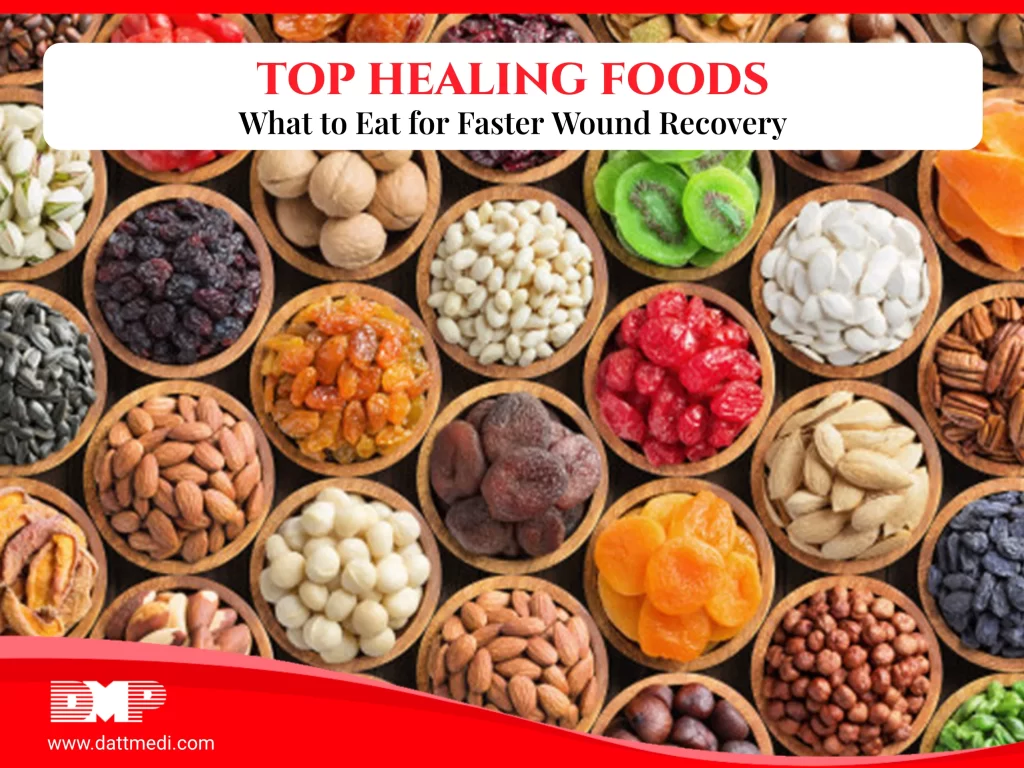
Nutrition plays a central role in wound healing, often as important as medical care itself. When the body sustains an injury, foods for wound healing become essential as its demand for specific nutrients increases.

The right foods can help accelerate tissue repair, reduce inflammation, strengthen the immune system, and enhance overall recovery. This blog explores scientifically backed foods for wound healing that actively support faster and more effective recovery.

Phytonutrient Power for Tissue Repair

What they are:

Phytonutrients are bioactive compounds in plants, such as flavonoids and carotenoids.

Why they matter:

Wound sites often experience oxidative stress due to free radicals, which can delay healing. Phytonutrients neutralize these free radicals, creating a favorable environment for tissue regeneration.

 Food sources:

  • Berries (flavonoids): Blueberries, strawberries, and blackberries reduce oxidative stress.
  • Sweet potatoes & carrots (carotenoids): Support cell growth and boost skin barrier function.

Quick Tip: Including a cup of mixed berries in breakfast or roasted sweet potato as a side dish provides antioxidant protection during recovery.

Collagen-Activating Foods

What they are:

Nutrients that directly stimulate collagen synthesis.

Why they matter:

Collagen forms the structural framework of new tissue and strong scar formation.

Key nutrients & foods:

  • Vitamin C (bell peppers, citrus, kiwi): A co-factor in collagen production.
  • Copper (sunflower seeds, cashews, lentils): Supports the cross-linking of collagen fibers for durability.

Quick Tip: A salad of bell peppers, spinach, and sunflower seeds supplies both vitamin C and copper—maximizing collagen activation.

Gut Health and Healing Connection

What it is:

The gut microbiome plays a central role in nutrient absorption and immune regulation.

Why it matters:

Without a healthy gut, even the best diet cannot deliver full healing benefits. Probiotics strengthen the microbiome, enhance nutrient uptake, and improve immune defenses against infection.

Food sources:

Yogurt, kefir, kimchi, sauerkraut, miso.

Quick Tip: Consuming a serving of probiotic yogurt daily can improve nutrient bioavailability, indirectly accelerating wound recovery.

Anti-Inflammatory Spice Cabinet

What they are:

Natural spices with anti-inflammatory and antimicrobial properties.

Why they matter:

Chronic inflammation around a wound can slow tissue regeneration. Certain spices actively reduce inflammatory responses while fighting harmful microbes.

Food sources:

  • Turmeric (curcumin): Reduces pro-inflammatory cytokines.
  • Ginger: Enhances circulation and reduces swelling.
  • Garlic: Provides antimicrobial support against infections.

Quick Tip: Adding turmeric to curries, ginger to tea, and garlic to meals integrates these benefits naturally into daily cooking.

Zinc Synergy Foods

What it is:

Zinc is essential for cell division and repair, but its efficiency increases when paired with vitamin C.

Why it matters:

Zinc deficiency can delay wound closure. Pairing zinc with vitamin C optimizes collagen production and tissue healing.

Food sources & pairings:

  • Pumpkin seeds + oranges
  • Chickpeas + bell peppers
This nutrient synergy ensures better absorption and function.

Iron-Rich for Oxygen Delivery

What it is:

Iron is critical for hemoglobin formation.

Why it matters:

Adequate hemoglobin ensures oxygen supply to regenerating tissues, which is vital for energy production during healing.

Food sources:

  • Heme iron (easily absorbed): Red meat, chicken, fish.
  • Non-heme iron: Lentils, spinach, fortified cereals.

Quick Tip: Pairing spinach (iron) with tomatoes (vitamin C) improves absorption, ensuring more oxygen reaches healing tissues.

Hydration Beyond Water

What it is:

Cellular hydration requires more than water—electrolytes are equally vital.

Why it matters:

Dehydrated cells cannot repair efficiently. Electrolytes maintain fluid balance, nerve signaling, and nutrient transport.

Food sources:

  • Coconut water: Natural electrolytes.
  • Watermelon & cucumbers: High water content plus minerals.
  • Broths & soups: Provide both fluids and electrolytes.

Quick Tip: Including hydrating foods alongside water intake supports optimal tissue repair.

Building a Healing Plate

Recovery requires more than a single “superfood.” It’s about creating a balanced plate with antioxidant-rich phytonutrients, collagen -activating nutrients, probiotics, anti-inflammatory spices, zinc and iron synergy, and hydration strategies.

Together, these foods give your body the fuel it needs to rebuild stronger tissue, reduce complications, and support a faster recovery.

Take good care—and Happy Holidays! ❄️✨🎄

Visit www.dattmedi.com for more infomation.
Share:

Frequnently Asked Questions

Nutrients like vitamin C, zinc, protein, and iron are essential for tissue repair and collagen formation. Combining a nutrient-rich diet with moisture-balancing dressings such as Velvert® Advanced Dressings supports optimal wound recovery.

Protein provides the building blocks for new tissue formation. Including lean meats, lentils, and eggs in your diet, along with proper wound protection using Velfix® Antimicrobial Dressings, helps accelerate healing and strengthen recovery.

Yes. Anti-inflammatory foods like turmeric, ginger, and berries help reduce swelling and oxidative stress. Pairing these foods with antimicrobial dressings from our Advanced Wound Care Range can further protect the wound from infection and promote faster repair.

Zinc aids in collagen production, immune defense, and skin regeneration. Foods like pumpkin seeds, lentils, and chickpeas boost zinc levels, while products such as Velsoft® Silicone Foam Dressings provide external protection to complement internal healing.

Proper hydration ensures that nutrients and oxygen reach the wound site effectively. Along with fluids and electrolyte-rich foods, maintaining the right wound moisture balance through Hydrogel Dressings helps create an ideal environment for tissue repair.

Recent Blogs
Chronic Pain Living Better Every Day

Chronic pain is a pervasive issue that affects millions of individuals worldwide, significantly altering their daily lives and overall well-being. Unlike acute pain, which serves as a signal of injury or illness and typically subsides with treatment, chronic pain persists for weeks, months, or even years. This relentless discomfort can arise from various conditions such as arthritis, fibromyalgia, and nerve damage. The impact of chronic pain extends beyond the physical realm, often leading to emotional distress and reduced quality of life.

In this blog, we will delve into effective strategies for managing chronic pain, focusing on coping techniques, nutrition, emotional well-being, and lifestyle adaptations. By understanding and addressing the multifaceted nature of chronic pain, individuals can improve their daily lives and enhance their overall health.

Coping Strategies and Techniques:

Managing chronic pain involves various coping mechanisms. Mindfulness and relaxation techniques, such as meditation and progressive muscle relaxation, can help reduce pain perception. Breathing exercises, like deep breathing or diaphragmatic breathing, also provide relief. Regular physical activity, tailored to your condition, can improve flexibility and strength, reducing pain over time. Activities such as swimming, walking, and yoga are often recommended for their low-impact benefits.

Nutrition and Diet:

Nutrition plays a vital role in managing inflammation and pain. Anti-inflammatory foods, such as leafy greens, fatty fish, nuts, seeds, and berries, can help alleviate symptoms. Omega-3 fatty acids, found in fish and flaxseeds, are particularly beneficial. Conversely, avoiding processed foods, sugary snacks, and excessive caffeine is crucial as they can exacerbate inflammation and pain. Staying hydrated and maintaining a balanced diet support overall health and pain management.

Emotional Well-being:

Chronic pain takes an emotional toll, often leading to anxiety, depression, and stress. Supporting mental health through therapy, such as cognitive-behavioral therapy (CBT), can be effective. CBT helps in changing negative thought patterns and developing coping strategies. Seeking social support from friends, family, or support groups can provide comfort and understanding. Engaging in hobbies, practicing mindfulness, and using relaxation techniques can help manage stress and improve emotional resilience.

Adapting Daily Life:

Adapting daily routines can enhance quality of life. Using assistive devices like ergonomic furniture, mobility aids, and adaptive tools can make daily tasks easier and more comfortable. Prioritizing rest and pacing activities throughout the day can prevent flare-ups and manage energy levels. Organizing your environment to minimize unnecessary strain and setting realistic goals for activities can help maintain a balance between activity and rest.

By understanding chronic pain and implementing these strategies, you can live a more fulfilling life despite the challenges. Managing chronic pain requires a holistic approach that addresses physical, emotional, and lifestyle factors, empowering you to live better every day.

Wound Care in Diabetes

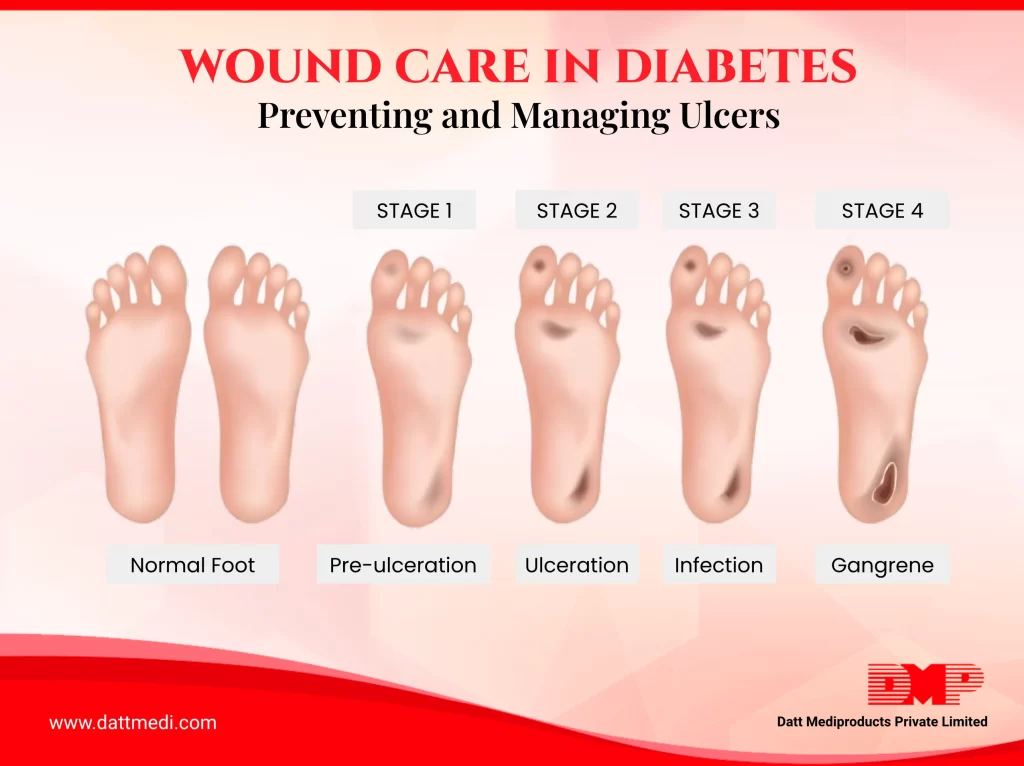
Diabetes significantly increases the risk of developing chronic wounds, particularly foot ulcers. Effective wound care is crucial for preventing complications and promoting healing in diabetic patients. In this blog, you will explore the nature of diabetic wounds, prevention techniques, and management strategies to help healthcare professionals and patients navigate these challenges.

Understanding Diabetic Wounds

Diabetic wounds, especially foot ulcers, are common complications resulting from prolonged high blood sugar levels. These wounds often develop due to neuropathy (nerve damage) and peripheral arterial disease, which impair sensation and blood flow. Consequently, minor injuries can go unnoticed and progress into serious ulcers. Left untreated, these ulcers can lead to severe infections and, in extreme cases, amputations.

1. Prevention Techniques for Diabetic Ulcers:

Preventing diabetic ulcers is essential to reduce the risk of severe complications. Here are some effective prevention strategies.

2. Regular Foot Inspections: 

Diabetic patients should inspect their feet (or have someone inspect it) on a daily basis for cuts, blisters, redness, or swelling. Early detection of potential issues can prevent minor problems from becoming serious ulcers.

3. Proper Footwear: 

  • Wearing well-fitting shoes and socks designed for diabetics can prevent pressure points and reduce the risk of injuries. 
  • Avoid wearing tight stockings or socks with elastic tops as they can reduce blood flow.
  • Avoid extreme hot or cold temperatures.
  • Do not treat corn or calluses on your own. 
  • Avoiding barefoot walking, even at home, is crucial.

4. Good Hygiene: 

Keeping feet clean and dry is essential. Patients should wash their feet daily with mild soap and water, then dry them thoroughly, especially between the toes.

5. Blood Sugar Control: 

Maintaining optimal blood sugar levels through diet, exercise, and medication can significantly reduce the risk of neuropathy and poor circulation, which contribute to ulcer formation.

6. Regular Medical Foot Check-Ups: 

Routine visits to a healthcare provider or a podiatrist for foot exams can help identify and address problems early.

7. Management Strategies for Diabetic Patients:

When ulcers do occur, effective management is vital to promote healing and prevent complications.

Here are some key strategies:

  • Wound Cleaning and Dressing: Keeping the ulcer clean and protected is essential. Cleaning the wound with a saline solution and using appropriate dressings, such as those provided by DMP Velvert®, can create an optimal healing environment. It provides a barrier to external contaminants, aids absorption of exudates and accelerates wound healing.
  • Debridement: Removing dead tissue from the wound (debridement) can accelerate the healing process. This procedure should be performed by a healthcare professional.
  • Pressure Offloading: Reducing pressure on the affected area is crucial. Patients may need special footwear, casts, or braces to alleviate pressure on the ulcer. Foot or mobility exercises also help in decreasing peak pressure, increasing foot and ankle range of motion and it improves neuropathy symptoms.
  • Infection Control: Monitoring for signs of infection and using antibiotics when necessary is critical. Proper wound care products, like Velvert®, which offer antimicrobial properties, can help prevent infections.
  • Blood Flow Improvement: Enhancing blood circulation through medical treatments or lifestyle changes can aid in the healing process. This might include medications, physical therapy, or surgical interventions. Revascularization results in increased tissue perfusion, which can further reduce amputation rates.
Diabetic ulcers are a serious complication of diabetes, but with proper prevention and management strategies, their impact can be significantly reduced. Regular foot inspections, good hygiene, appropriate footwear, and effective blood sugar control are key preventive measures. When ulcers do develop, it is best to catch them in the early stages when they are small, products combined with professional medical care, can promote healing and prevent complications.

At Datt Mediproducts, we offer Velvert®, an advanced wound care solution designed to aid in the management of diabetic ulcers. Velvert® dressings are crafted to provide superior moisture retention and protection, creating an optimal environment for wound healing. They also incorporate antimicrobial properties to reduce the risk of infection, which is crucial for diabetic patients. Velvert® is easy to apply and remove, ensuring minimal discomfort for patients.

Logo

Datt Mediproducts Private Limited

Loading