

Search by Blog
Read by Category

Your healing journey continues beyond this blog

Find the right products for better recovery at online store
Cart Image
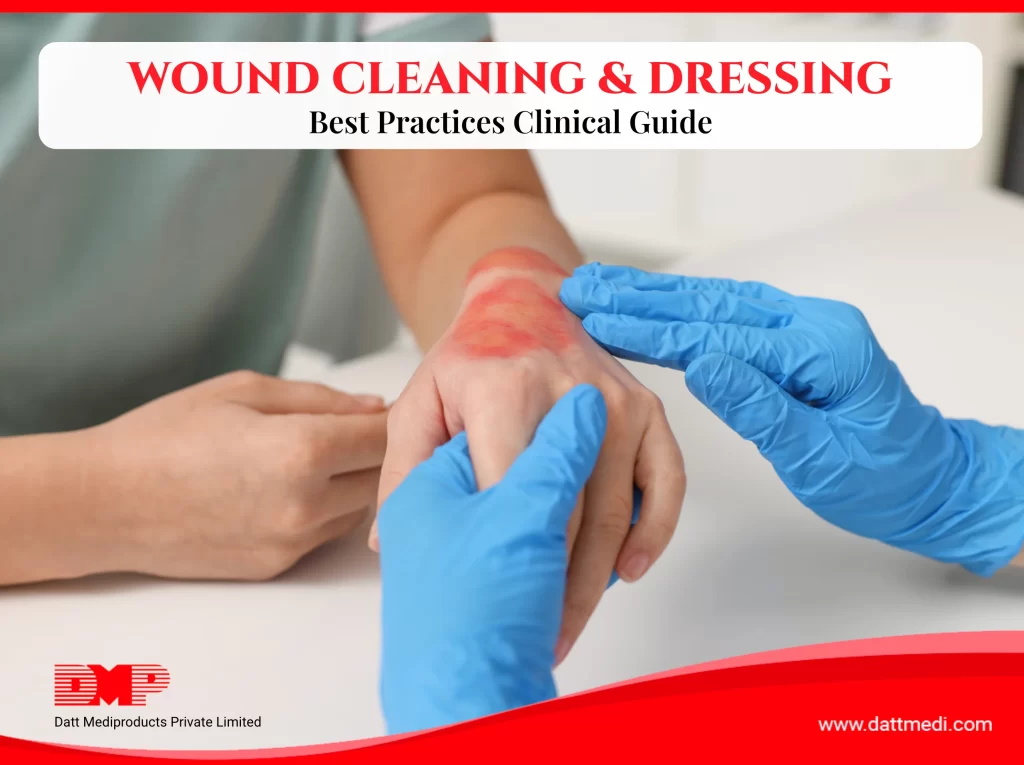
Cleaning wound with sterile saline before applying dressing

Knowing how to clean a wound properly and apply the right dressing plays a critical role in healing outcomes. Inadequate wound care is one of the most common reasons wounds become infected or take longer to heal.

Whether managing a minor cut at home, caring for a surgical incision, or supporting chronic wound recovery, following evidence-based wound care practices helps protect the skin, reduce complications, and support natural tissue repair.

Why Proper Wound Care Is Important

Proper wound care involves cleaning the wound, protecting it with an appropriate dressing made from clinically tested materials, and regularly monitoring the healing progress.

Effective wound care:

  • Reduces microbial contamination
  • Minimizes inflammation and tissue damage
  • Lowers the risk of scarring and delayed healing
  • Supports tissue regeneration, especially in patients with diabetes, poor circulation, or reduced immunity

Maintaining a clean and protected wound environment allows new tissue to form safely and consistently.

Practical example:
Healthcare facilities worldwide follow standardized wound care protocols because consistent and correct wound management directly improves patient recovery outcomes.

Step-by-Step Guide: How to Clean a Wound

A. Prepare Before Cleaning the Wound

1. What to do:
Prepare yourself and gather supplies before touching the wound.

2. Why it matters:
Proper preparation minimizes the risk of introducing bacteria into the wound.

3. How to do it:

  • Wash hands thoroughly and wear clean gloves.
  • Keep sterile saline or clean water ready.
  • Prepare clean, suitable wound dressings as advised, along with a waste disposal bag.

B. Clean the Wound Gently and Safely

1. What to do:
Remove visible dirt, debris, or dried discharge from the wound.

2. Why it matters:
Gentle cleaning reduces infection risk and supports faster healing.

3. How to do it:

  • Rinse the wound using a mild soap and sterile saline or clean running water
  • Use antiseptic solutions only if recommended by a healthcare professional
  • Avoid alcohol or hydrogen peroxide directly on the wound, as these may damage healthy tissue and delay healing

C. Dry the Wound Area Carefully

1. What to do:
Dry the surrounding skin after cleaning.

2. Why it matters:
Excess moisture can weaken surrounding skin and slow healing.

3. How to do it:

  • Gently pat the area dry using sterile gauze
  • Avoid rubbing the wound surface

Choosing the Best Dressing for Open Wounds

A. Factors to Consider When Selecting a Dressing

The best dressing for open wounds depends on:

  • Type of wound (minor cut, surgical incision, or chronic wound)
  • Amount of wound exudate (fluid)
  • Infection risk and patient activity level
Selecting the right dressing—based on wound type and healing needs—helps maintain an optimal wound environment and supports steady healing.

B. Common Types of Wound Dressings and Their Uses

  • Gauze Dressings:
    Suitable for minor wounds and short-term protection, such as Gamjee pads and cotton gauze rolls.
  • Foam Dressings:
    Ideal for moderate to heavily exuding wounds, such as Velfix-S, which helps absorb excess exudate while maintaining a balanced wound environment.
  • Hydrocolloid or Hydrogel Dressings:
    Help maintain a moist environment for healing.
  • Antimicrobial Dressings:
    Recommended when infection risk is high or infection is present, such as Velvert, used under medical guidance.

Modern wound management relies on advanced dressing technologies designed to maintain moisture balance and protect healing tissue. – Read More

How to Secure a Wound Dressing Correctly

1. Why it matters:
A dressing that is too loose may expose the wound, while one that is too tight can restrict circulation.

2. Best practices:

  • Use transparent sterile film dressings (Velfix-T Film) to secure the primary dressing while allowing wound visibility.
  • Medical adhesive tape may be used where appropriate.
  • Ensure the dressing is secure, comfortable, and does not restrict blood flow.

How Often Should You Change a Wound Dressing?

Dressing change frequency depends on wound type, exudate level and medical advice. Change the dressing if:

  • It becomes wet or contaminated
  • There is increased redness, discharge, or odor
  • Wounds with higher exudated will require more frequent dressing changes. 
Regular dressing changes using clean and sterilized post-operative or wound dressings reduce infection risk and support faster healing.

Monitoring Wound Healing and Infection Signs

Check the wound daily for:

  • Increased pain, redness, swelling, or warmth.
  • Discharge or unusual odor (possible infected wound signs).
  • Healthy pink or red tissue, which indicates healing.

If healing does not improve or symptoms worsen, consult a healthcare professional promptly.

If any warning signs persist or worsen, early identification is critical. Understanding the common symptoms of wound infection can help prevent serious complications and delayed healing.
Read more: Signs of Infected Wounds: Symptoms, Risks, and When to Seek Medical Care

Common Wound Care Mistakes to Avoid

  • Using non-sterile or unclean materials
  • Leaving wounds uncovered for extended periods
  • Reusing old or soiled dressings
  • Applying products without professional advice
Avoiding these mistakes can significantly improve recovery outcomes.

When to Seek Medical Attention for a Wound

Seek professional care if:

  • The wound is deep or bleeding heavily
  • It is a burn
  • Signs of infection are present
  • The wound is chronic, such as diabetic foot ulcers or burns
  • Healing does not progress over time
In such cases, specialized solutions like advanced wound dressings may be required, under the guidance of healthcare professionals.

Simple Tips to Support Faster Wound Healing

  • Eat a balanced diet rich in protein, vitamins, and minerals
  • Stay adequately hydrated
  • Avoid smoking and excessive alcohol intake
  • Get sufficient sleep to support tissue repair

Understanding how to clean a wound and apply the correct dressing is essential for safe and effective healing. By following approapriate wound care steps and using quality wound dressings manufactured under international standards such as ISO and CE, patients and caregivers can reduce complications and support better outcomes.

For complex or slow-healing wounds, timely medical guidance remains essential.

Medical Disclaimer

This content is intended for general wound care education and does not replace professional medical advice. Always consult a healthcare provider for serious, worsening, or non-healing wounds.


Visit www.dattmedi.com for more infomation.
Share:

Frequnently Asked Questions

A wound dressing should be changed when it becomes wet, dirty, or loose, or as advised by a healthcare professional. Using clean and appropriate wound dressings helps prevent infection and supports faster healing, especially for open or surgical wounds.

The best way to clean a wound at home is to gently rinse it with a mild soap and sterile saline or clean running water and use clean gauze-based dressings for drying and protection. Avoid using alcohol or hydrogen peroxide directly on the wound, as these can damage healthy tissue and slow the healing process.

Common infected wound signs include increased redness, swelling, fever, warmth, pain, pus or discharge, foul odor, and delayed healing. If these symptoms appear, advanced care solutions such as advanced wound care dressings and timely medical attention may be required.

The best dressing for open wounds depends on the wound type and fluid level. Gauze dressings work well for minor wounds, while foam, hydrocolloid, or antimicrobial dressings—such as  Velvert—may be recommended for better protection and healing.

Yes. Wound care products should be manufactured under internationally recognized standards such as ISO and CE. These certifications ensure safety, quality, and reliable performance across hospitals, clinics, and home-care settings worldwide.

Recent Blogs
CHOOSING THE RIGHT DRESSINGS

Chronic wounds are wounds that fail to heal within the expected time frame, typically lasting more than four weeks. They can arise due to underlying conditions such as diabetes, prolonged pressure, or venous insufficiency. Common types include diabetic ulcers, bed sores, and venous leg ulcers.

Managing chronic wounds presents significant challenges, including a high risk of infection, slow healing, and patient discomfort. The right dressing plays a crucial role in creating an optimal healing environment, reducing complications, and improving patient outcomes.

Types of Chronic Wounds and Their Dressing Needs

Diabetic Ulcers

  • A Diabetic foot ulcer is a debilitating complication of diabetes mellitus. It refers  to an open sore or wound, commonly developing on the feet of people with diabetes.
  • Require moisture balance, infection control, and non-adhesive properties to protect fragile skin.

Bed Sores

  • Bed sores are ulcers which usually develop gradually on the skin and the tissue underneath. Occurring mostly in bed ridden patients, bed sores arise on the skin covering bony areas of the body such as hips, back, tailbone, etc.
  • Demand dressings that redistribute pressure and effectively manage exudate to prevent further skin breakdown.

Venous Leg Ulcers

  • Venous leg ulcers are chronic wounds affecting mostly older adults. They primarily result from prolonged venous insufficiency, which leads to tissue breakdown in lower extremities.
  • Benefit from a combination of compression therapy and absorbent dressings to address venous insufficiency and excessive fluid.

Infected Chronic Wounds

  • Chronic infected wounds are those wounds that do not even start to heal after 4 to 12 weeks despite treatment. They develop due to poor blood circulation, weak immune system or co-morbid conditions such as diabetes.
  • Require antimicrobial dressings to manage bacterial load and prevent further complications.

Key Dressing Options:

VEL NeXT™

  • Designed specifically for chronic wounds, including diabetic ulcers, burns, necrotizing fasciitis, and venous ulcers.
  • Promotes faster wound healing while maintaining an optimal moisture balance.

Velvert®

  • A secure antimicrobial dressing with excellent moisture management.
  • Ideal for wounds at high risk of infection, including diabetic ulcers and chronic wounds.

Silvel™

  • Features nano-crystalline silver for strong antimicrobial action.
  • Features silver for strong antimicrobial action.
  • Suitable for infected or high-risk wounds, particularly bed sores.

Velsap™

  • Designed for moderate to heavily exuding wounds.
  • Provides effective fluid management, reducing the need for frequent dressing changes.

How to Choose the Right Dressing?

Selecting the right dressing requires a comprehensive assessment of several factors:

  • Wound Type: Identify whether the wound is a diabetic ulcer, pressure sore, or venous ulcer.
  • Exudate Levels: Choose absorbent dressings for heavily exuding wounds and moisture-retaining options for dry wounds.
  • Infection Status: Use antimicrobial dressings for infected or high-risk wounds.
  • Patient-Specific Considerations: Factors such as mobility, skin sensitivity, and underlying health conditions must be considered.
Healthcare professionals play a crucial role in guiding dressing selection based on individual wound characteristics and patient needs.

Additional Tips for Chronic Wound Care Management

  • Proper Cleaning & Debridement: Keeping the wound clean and removing dead tissue enhances healing.
  • Regular Monitoring & Dressing Changes: Assessing the wound regularly and changing dressings at the right intervals prevent complications and ensure steady healing.

Chronic wounds require tailored solutions to support healing and prevent complications. Choosing the right dressing—ensures optimal wound care and faster recovery.

Explore our advanced dressing solutions today and find the best option for your wound care needs!

Managing Chronic Wounds

Choosing the Right Dressing for Chronic Wounds

Chronic wounds, such as diabetic ulcers, pressure sores, and venous leg ulcers, present unique challenges in wound care management. These wounds often resist healing due to underlying conditions such as poor circulation, increased infection risks, prolonged or excessive inflammation, and other patient-specific factors.

Selecting appropriate dressings tailored to the needs of chronic wounds is essential to promote healing and prevent complications.

Chronic wounds develop due to systemic issues that delay natural healing. Common types include:

  • Diabetic Ulcers: These ulcers result from reduced blood flow and nerve damage, often occurring on the feet. Proper care involves maintaining a balance between moisture and dryness, ensuring the wound does not become too dry or overly moist.
Stat Spotlight

In India, diabetic foot ulcers account for approximately 20% of all diabetes‑related hospitalizations. ~ Source
  • Pressure Sores: Caused by prolonged pressure on the skin, these wounds are common among bedridden or immobile patients. Managing pressure and ensuring the wound stays clean and protected are vital.
Stat Spotlight

In India, point‑prevalence studies report that approximately 5% of hospitalized patients have pressure ulcers, underscoring the importance of preventive care. ~Source
  • Venous Leg Ulcers: These ulcers result from chronic venous insufficiency, in which impaired venous return causes fluid to accumulate in the lower legs, increasing tissue pressure and leading to skin breakdown. Effective management typically centers on graduated compression therapy to improve circulation, alongside advanced dressings to control exudate, leg elevation, and skin care to protect the periwound area.

Managing these wounds involves addressing infection risks, ensuring patient comfort, and promoting effective healing using evidence-based dressing solutions. Selecting the appropriate dressing depends on the type of wound, its condition, and the specific challenges it presents.

Below are some general guidelines:

Diabetic Ulcers

Dressings should maintain moisture balance and provide effective infection control. Non-adhesive dressings are preferred to minimize skin damage during dressing changes. Velvert®, with its strong antimicrobial properties and excellent moisture management, is ideal for diabetic ulcers and wounds at high risk of infection.

Pressure Sores

These wounds require dressings that redistribute pressure and effectively manage exudate to prevent further tissue damage and support healing. Velfix®-S offers both cushioning and absorption, making it a reliable choice for pressure sores and wounds requiring enhanced comfort and protection.

Venous Leg Ulcers

Advanced dressings used in combination with compression therapy are essential for managing exudate and improving circulation. Velfour®, with its high absorption capacity, is well-suited for heavily exuding wounds, including venous leg ulcers.

Infected Wounds

Antimicrobial dressings are effective in managing bacterial growth and reducing the risk of complications. Silvel™ with its strong silver based antimicrobial action and Velvert™ with their strong silver-based antimicrobial action, are suitable for infected or high-risk wounds such as second-degree burns, necrotizing fasciitis, and traumatic wounds.

Here are some types of advanced dressings that address specific wound care needs:

Antimicrobial Dressings

Designed to manage infection risks, these dressings often contain agents like silver to inhibit bacterial growth. Silvel™ and Velvert™ are widely used for diabetic ulcers and pressure sores prone to infection, owing to their strong antimicrobial properties.

Foam Dressings

Highly absorbent, these dressings are ideal for wounds with significant exudate, such as venous leg ulcers. They also offer cushioning to enhance patient comfort. Velsap™ and Velfix®-S are designed for moderate to heavily exuding wounds, ensuring effective fluid management and reduced dressing change frequency.

Multi-Layer Dressings

These dressings provide both absorption and protection, making them effective for managing pressure sores and heavily exuding wounds. Velfour® is an excellent example, offering essential support for such wound types.

Real-Life Example

A 60-year-old diabetic patient in India developed a non-healing foot ulcer. Initially, traditional gauze dressings were used, leading to frequent infections. After switching to Velvert™ antimicrobial dressing, the wound showed significant improvement within four weeks, with reduced exudate and no further infections. This case highlights the importance of selecting the right dressing for chronic wounds.

Practical Tips for Managing Chronic Wounds

Effective wound care goes beyond dressing selection. Here are additional strategies to optimize healing:

  • Proper Cleaning and Debridement: Regularly cleaning the wound and removing dead tissue helps create an optimal environment for healing.
  • Adjunctive Therapies: Techniques like compression therapy for venous ulcers and offloading for diabetic foot ulcers can significantly improve outcomes.
  • Regular Monitoring: Chronic wounds require consistent evaluation to identify changes in size, depth, or signs of infection, allowing timely adjustments in care.
  • Consulting Professionals: Work with healthcare providers to ensure the care plan addresses the wound’s unique needs and aligns with the patient’s overall health condition.

Selecting the right dressing for chronic wounds can significantly improve healing outcomes and enhance patient comfort. By understanding wound characteristics and tailoring treatments accordingly, healthcare professionals can address even the most challenging cases effectively.

Logo

Datt Mediproducts Private Limited

Loading